Finding a reliable 30+ gallon fuel tank for a truck bed requires balancing capacity, durability, and ease of use. This guide highlights five top options that fit a variety of needs—from heavy-duty transport to easy in-field refueling. Each pick is evaluated for construction, spill prevention, and portability, so you can choose a tank that keeps fuel secure and accessible on the go.
| Product | Brand | Capacity | |
|---|---|---|---|
| Better Built Steel Transfer Fuel Tank | Better Built | 36 Gallon | Automatic shutoff to prevent spills; built-in baffles for stability |
| RDS MFG Rectangular Auxiliary/Transfer Tank | RDS MFG INC | 45 Gallon | Fully welded seams; top-siphon capability with electric pump |
| VEVOR 30 Gallon Fuel Caddy | VEVOR | 30 Gallon | Two-way rotary pump; heavy-duty wheels; portable and versatile |
| Landrol 58 Gallon Iron Fuel Cell Tank | Landrol | 58 Gallon | Iron construction; rust-resistant electroplated finish |
| Aluminum Tank Industries TTR38 | Aluminum Tank Industries | 38 Gallon | Fully welded baffles; lockable vent and filler cap |
From rugged steel builds to corrosion-resistant aluminum and versatile fuel caddies, these selections address common road conditions, towing setups, and remote work sites. Each option is designed to minimize spill risk while maximizing fuel accessibility for outdoor trades, ranch operations, and service fleets.
Better Built 36-Gallon Steel Transfer Tank
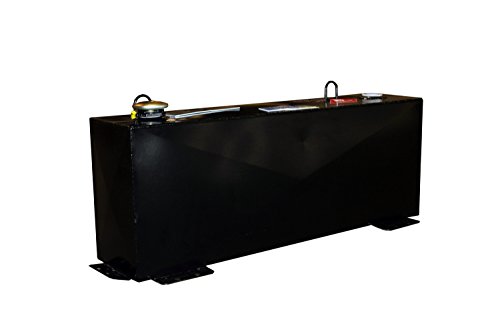
The Better Built 36-gallon tank emphasizes a strong rectangular steel body with a 36-gallon capacity. A built-in overfill restriction provides automatic shutoff at the pump to prevent spills, supporting safe on-site fueling. Internal baffles help minimize shifting during transport, improving stability when the truck is in motion. This model suits heavy-duty bed installations where durability and spill control are priorities.
RDS MFG 45 Gallon Rectangular Auxiliary Tank

The RDS MFG 45-gallon tank offers a larger auxiliary option with fully welded seams for durability. It supports gasoline transfer via an electric pump from the top of the tank, reducing the need for manual siphoning. The design emphasizes a robust build and secure connections, making it suitable for fleets that require dependable long-duration fueling capabilities and easy top-off operations.
VEVOR 30 Gallon Fuel Caddy

The VEVOR 30-gallon model focuses on portability and ease of use. It features a two-way rotary pump that allows dispensing or siphoning fuels, making filling vehicles or equipment quick and efficient. Anti-static grounding and an accurate fill gauge help prevent spills, while heavy-duty wheels enable transport across varied terrain, from farms to construction sites.
Landrol 58 Gallon Iron Fuel Cell Tank

Landrol’s 58-gallon iron tank provides a sturdy, rust-resistant option for heavy-duty applications. The iron construction enhances durability for demanding environments, and the electroplated finish offers corrosion protection. This tank is well-suited for long-haul jobs or fleet use where high capacity and robust metal construction are essential.
Aluminum Tank Industries TTR38 Rectangle Tank

The Aluminum Tank Industries TTR38 uses a 38-gallon capacity with aluminum construction for lighter weight and corrosion resistance. It features fully welded baffles to reduce movement of contents, and a lockable vent and filler cap for added security and spill protection. This option balances portability with a solid build, ideal for mid-size bed installations or applications where weight savings matter.
Buying Guide
Key purchase considerations help determine the best fit for bed-mounted fuel tanks. Capacity should match typical fueling needs without overburdening the vehicle. Construction material influences weight, durability, and weather resistance; steel excels in rugged use, while aluminum offers lighter weight with corrosion resistance. Spill prevention features—such as automatic shutoffs, welded seams, and lockable caps—reduce risk on uneven terrain and during transport. Compatibility with pumps (electric or manual) and ease of topping off are important for field operation. Finally, dimensions must fit your truck bed length and mounting hardware. Comparing those factors across options will reveal the best overall value for your deployment scenario.
- Capacity vs. vehicle payload: ensure you stay within federal and local weight limits.
- Material choice: steel for strength, aluminum for lighter weight and corrosion resistance.
- Spill prevention: overfill shutoff, baffles, secure caps, and welded seams.
- Pumping mechanism: electric pump vs. hand pump; consider power availability and usage frequency.
- Mounting compatibility: look for compatible mounting brackets, fittings, and bed access.
- Mobility: wheels or handles for easy repositioning on job sites.
For fleet managers, a mix of larger capacity tanks with secure closures and durable construction can minimize refueling downtime. For contractors and ranch operations, portability and quick dispensing are often prioritized, making caddies with rotary pumps and rugged wheels appealing. Consumers should assess how often the tank must be moved, the type of fuel used, and the typical fueling environment to ensure the chosen tank delivers consistent performance.