Smoke from engines and oil leaks can indicate aging seals, burning oil, or inefficient combustion. The following additives are designed to help reduce oil burning, quiet noisy lifters, seal leaks, and improve overall engine performance. Each product is chosen for relevance to reducing exhaust smoke and restoring smoother operation in gasoline engines, including high-mileage applications.
| Product | Brand | Primary Benefit |
|---|---|---|
| Bardahl 2117 NoSmoke + StopLeak | Bardahl | Reduces burning oil and stops exhaust smoke; seals leaks |
| Bar’s Leaks 1000 High Mileage Engine Repair | Bar’s Leaks | Stops leaks and reduces oil consumption in high-mileage engines |
| STA-BIL Small Engine Pro Multi-System Additive | STA-BIL | cleans carb and injectors; improves engine efficiency |
| Bardahl 2117-CS NoSmoke + StopLeak | Bardahl | Similar formula focused on oil burning reduction and noise suppression |
| XADO EX120 Motor Oil Additive | XADO | Restores worn metal surfaces; improves oil pressure and efficiency |
Note: This article focuses on additives that can help reduce smoking, leaks, and abnormal engine noise. Always follow product directions and consult a qualified mechanic for persistent issues.
Bardahl 2117 NoSmoke + StopLeak

Bardahl NoSmoke + StopLeak is designed to reduce oil burning by filling loose tolerances with an extra-thick formula. The additive aims to lower exhaust smoke and improve engine cleanliness, with benefits that extend to sealing dried or brittle seals. The formulation targets emissions containment and engine quieting by reducing noise from lifters. This option is suited for older engines dealing with oil-burning symptoms and rising smoke levels.
Bar’s Leaks 1000 High Mileage Engine Repair
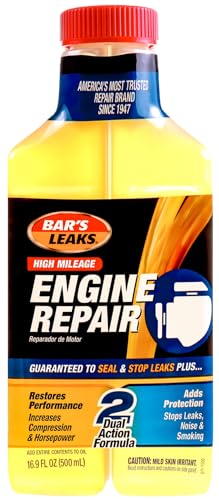
This formula concentrates on high-mileage engines, aiming to restore performance, increase compression, and reduce noise and oil consumption. It’s commonly used to stop leaks and the accompanying smoke or burnout symptoms that can accompany aging engine seals, rings, and gaskets. Consider this additive when your engine experiences oil seepage alongside reduced efficiency.
STA-BIL Small Engine Pro Multi-System Additive
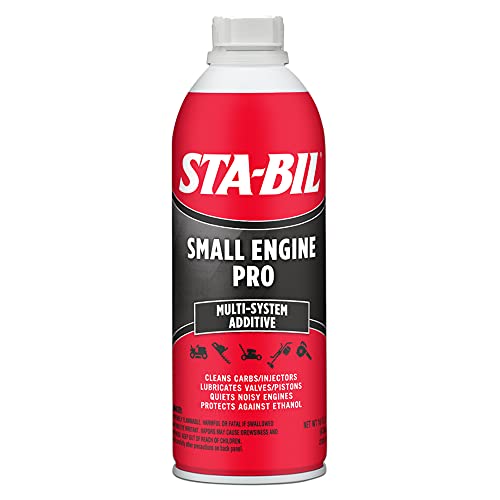
STA-BIL Small Engine Pro is formulated to protect against ethanol-related issues and clean carburetors and fuel injectors. It lubricates valves and pistons and helps quiet noisy engines by maintaining smoother fuel delivery and engine operation. Regular use can support cleaner combustion and longer-term engine reliability in small motors and older equipment commonly found in American garages and yards.
Bardahl 2117-CS NoSmoke + StopLeak

The 2117-CS variant shares Bardahl’s NoSmoke + StopLeak concept, focusing on reducing burning oil and exhaust smoke while restoring some seal integrity. The extra-thick formula is designed to help quiet lifters and improve overall engine feel by addressing leaks alongside burning oil symptoms. It’s positioned as a maintenance option for engines with a history of smoke and rough idle.
XADO EX120 Motor Oil Additive

XADO EX120 is a revitalizant-based engine treatment that rebuilds worn metal surfaces and forms a protective coating. It aims to extend engine life and may enhance oil pressure, contributing to improved lubrication and reduced wear. While not a smoke-stop product per se, its revitalization properties can support older engines prone to reduced efficiency and higher friction, which can indirectly influence smoke and consumption patterns.
Buying Guide
When choosing an additive to address smoking engines and leaks, consider these factors:
- Source of smoking: Oil burning vs. fuel-related smoke. Tools aimed at oil burning (StopLeak, NoSmoke formulas) target seals and tolerances, while fuel-system cleaners address combustion quality and injector deposits.
- Engine type and age: High-mileage or older engines with worn seals benefit from leak-stopping formulas, whereas modern engines may respond to fuel system cleaners and lubricant additives.
- Seal condition: For brittle or dry seals, seal-restoring products may help, but persistent leaks often require mechanical repair beyond additives.
- Emissions and emissions standards: Some formulas emphasize cleaner exhaust and reduced emissions, which can help with air-quality compliance in some areas.
- Maintenance plan: Use additives as part of a broader maintenance routine, including regular oil changes, air-fuel filter replacement, and timing checks.
Product selection should align with your vehicle’s symptoms, maintenance history, and the guidance of a qualified technician. All additives should be used according to the manufacturer’s directions and compatible with your engine oil type and mileage level.