Choosing the right portable air conditioner for car camping can turn rough nights into restful stays. The models below balance cooling power, portability, and power options so you can stay comfortable in tents, RVs, boats, and remote campsites. Each product highlights versatility, quiet operation, and energy efficiency for outdoor use. Review the options to find a unit that fits your space, power availability, and climate needs.
| Product | Brand | BTU (Cooling / Heating) | Key Power Options |
|---|---|---|---|
| Cybertake Portable Camping Air Conditioner | Cybertake | 5100 BTU cooling / 6100 BTU heating | AC wall, 12V/24V DC, portable power station |
| CYBERTAKE Portable Air Conditioner, 3-in-1 | Cybertake | 3300 BTU cooling | AC, DC battery, portable power stations |
| EnjoyCool Portable Air Conditioner for Camping | EnjoyCool | 2380 BTU cooling | Power via DC/AC, portable |
| Zero Breeze Mark 3 Portable Air Conditioner | Zero Breeze | 5280 BTU cooling / 5800 BTU heating | Dual duct, battery/AC support |
| Bancol 5200 BTU Portable Air Conditioner | bancol | 5200 BTU cooling | Portable operation with remote |
These selections emphasize portability, energy efficiency, and flexible power options so you can stay cool anywhere—from a tent in a heatwave to a windy lakeside night. Each product section below offers a concise snapshot of features and how they align with different camping setups.
Cybertake 5100 BTU Camping AC Performance
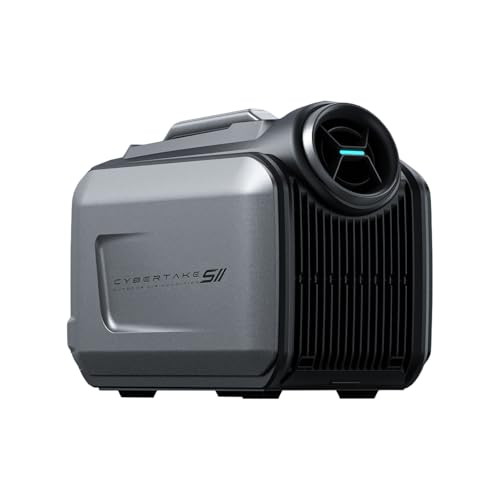
This Cybertake unit delivers 5100 BTU of cooling and 6100 BTU of heating, designed for spaces up to about 130 square feet. It can cool to about 60°F and heat up to about 90°F, making it versatile for both hot and chilly nights. It supports multiple power options including AC wall outlets (100-240V), 12V/24V from vehicles, and portable DC power stations, giving you real freedom in remote environments. Three adjustment modes and a 0-12 hour timer provide flexible control for tent or RV interiors.
CYBERTAKE 3-in-1 Portable AC Unit

This 3-in-1 Cybertake model functions as an air conditioner, a dehumidifier, and a fan. It features a compact 3300 BTU cooling capacity and a high-efficiency 48V DC system paired with a smart inverter algorithm for energy savings, including a claim of up to 10 hours of cooling on 1 kWh. Power options include AC, DC battery (with optional booster), portable power stations, and solar compatibility, making it adaptable for tents, RVs, or small rooms. The unit emphasizes quiet operation and targeted airflow with a 90-degree adjustable vent.
EnjoyCool 14Lbs Camping Portable AC
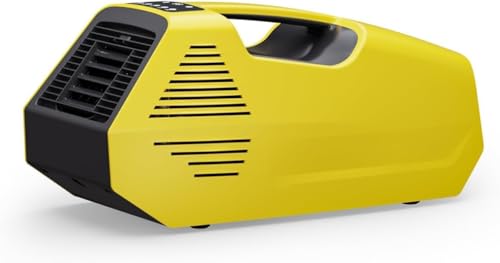
EnjoyCool’s compact unit is designed for portable cooling with a 2380 BTU output suitable for spaces up to about 43 square feet. It offers a simple touchscreen interface and multiple modes (Strong, Cooling, Sleep, and Fan) with three fan speeds. Weighing about 14.3 pounds, it’s highly portable for quick setups at a campsite or in an RV cab. While smaller in BTU, its light footprint and low power draw make it attractive for hikers, boaters, or tight tent interiors.
Zero Breeze Mark 3 Portable AC
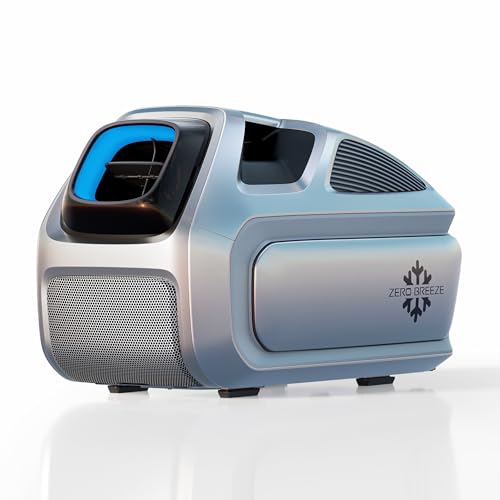
The Zero Breeze Mark 3 packs a punch with 5280 BTU cooling and 5800 BTU heating in a compact, dual-duct design. It operates with an ultra-low power draw, using as little as 150W under certain settings, supporting eco-friendly camping uses. The dual-duct system helps vent exhaust efficiently, which is helpful when tent walls or small RV spaces limit airflow. A remote and integrated thermostat enable precise climate control, and the unit is built for year-round comfort in open or confined spaces.
Bancol 5200 BTU Portable AC for Camping

Bancol offers up to 5200 BTU of cooling with a portable form factor designed for camping tents, small campers, and outdoor setups. The unit claims quick cooling to comfortable levels and a lightweight design at around the typical portable unit weight. The included remote control and simple modes make it easy to operate from a tent cabin or RV interior. It emphasizes practical airflow control and energy-conscious operation for overnight camping trips.
Buying Guide: Key Purchase Considerations
- Cooling Capacity and Space Fit — Choose BTU ratings that match your typical space. A tent or small RV may do well with 3300–5200 BTU, while larger tents or cabins may benefit from 5100–5800 BTU options.
- Power Flexibility — Prioritize models with multiple power sources (AC, DC, portable power stations, solar compatibility). Vehicle setups, off-grid camping, and boat use all rely on flexible power options.
- Portability and Weight — For backpacking or car camping, lighter units with integrated handles are easier to maneuver and set up. Consider models under 15–25 pounds if you need frequent relocation.
- Noise Levels — Quiet operation (below 40–50 dB in many camping units) improves sleep quality and relaxation near sleeping areas or tents.
- Ventilation and Ducting — Dual-duct designs or well-positioned exhaust vents help manage moisture and temperature in compact spaces.
- Modes and Features — Look for 3–4 modes (Cool, Heat, Dehumidify, Fan/Eco) and timers for energy-efficient, comfortable climate control without overusing power.
- Maintenance and Durability — Units with straightforward filter maintenance and robust housings are preferable for rugged outdoor use and varying weather.
- Warranty and Support — A solid warranty and responsive customer support can be crucial when using equipment outdoors or in remote locations.