Air intake cleaners help remove carbon, varnish, and gum from throttle bodies, intake valves, and related components. This article highlights five effective products that target deposits affecting throttle response, idle stability, and overall engine efficiency. Each option is evaluated on cleaning power, compatibility, and practical use in modern gasoline engines.
A quick overview of the chosen products:
- CRC 05078 Throttle Body and Air-Intake Cleaner – 12 Wt Oz
- CRC 05110 Mass Air Flow Sensor Cleaner – 11 Wt Oz
- Gumout 540028 Foaming Intake Valve & Turbo Cleaner, 11 oz
- Gumout Carb/Choke Carburetor Cleaner Spray, 14Oz
- CRC Throttle Body & Air Intake Cleaner 05678 – 5 WT OZ
CRC 05078 Throttle Body and Air-Intake Cleaner

CRC’s 05078 targets carbon, varnish, and gum deposits in throttle bodies and air-intake pathways. It’s designed to promote easier starts and smoother operation by reducing hesitation and rough idle. The product is suitable for use in all fuel-injected gasoline engines, including throttle body and multi-port configurations. When applied properly, it can improve air flow and throttle response, with quick-drying properties that are practical for DIY maintenance.
CRC 05110 Mass Air Flow Sensor Cleaner
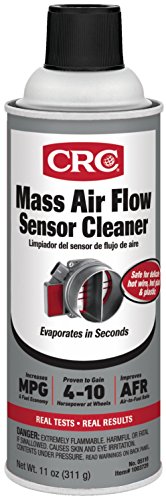
CRC’s Mass Air Flow Sensor Cleaner focuses on cleaning sensitive MAF sensors, which can be prone to misreadings and performance loss when contaminated. The cleaner aims to dry quickly and be safe for plastic components, helping maintain accurate air-fuel calculations and potentially improving horsepower, fuel economy, and overall engine efficiency. It is not a throttle body cleaner, but it complements the intake cleaning process by preserving sensor accuracy during and after cleaning sessions.
Gumout 800002231 Carb/Choke Cleaner

This Gumout cleaner is designed to remove gum, varnish, and dirt from carburetor chambers and choke valves, including the intake side, to restore starting reliability and smooth idle. While many newer engines rely on electronic fuel injection, carb and choke cleaners remain relevant for older vehicles or classic builds where carburetion is still a factor. The foaming and solvent action help reach internal passages where deposits tend to accumulate.
Gumout 540028 Foaming Intake Valve & Turbo Cleaner

Gumout 540028 uses a powerful foaming formula to cling to intake valves, turbochargers, and combustion chambers. The foam helps break down carbon deposits and varnish, promoting improved throttle response and engine performance. It’s particularly effective in modern engines that can accumulate carbon buildup in hard-to-reach areas, including turbocharged and direct-injected units. The formula is intended to be safe for these sensitive systems while delivering a deep-cleaning action.
CRC Throttle Body & Air Intake Cleaner 05678
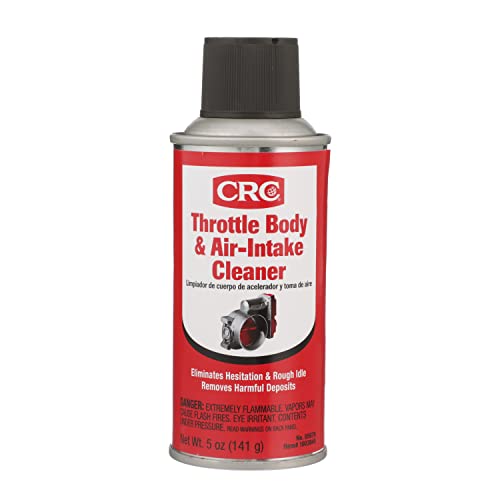
CRC 05678 is a throttle body and air intake cleaner designed to address gum and varnish buildup across throttle valves and body. The formula aims to reduce hesitation and rough idle in a broad range of gasoline engines, including those under heavy-use conditions. It’s marketed as a 50-state solution, suitable for a wide array of emission systems, and intended to improve starting reliability and smooth operation after cleaning sessions.
Buying Guide: Key Purchase Considerations and Comparisons
- Engine compatibility: Verify whether the cleaner targets throttle bodies, intake valves, mass air flow sensors, or carburetors. Some cleaners are specialized (MAF sensor cleaners), while others are universal for throttle bodies and intakes. Choose based on your engine type—fuel-injected vs carbureted—and any modern components like turbochargers or direct injection.
- Application method: Some products come as sprays you apply directly into the intake tract or throttle body, while others use foaming formulas that cling to surfaces. Consider the service interval and whether you prefer a quick spray during maintenance or a deeper soak for heavy carbon buildup.
- Sensor safety: If you plan to use a cleaner near sensors (such as a mass air flow sensor), ensure the product is labeled safe for plastic and sensor components. Incorrect use can lead to sensor damage or misreadings.
- System coverage: For engines with multiple potential deposit points, selecting a combination product (throttle body cleaner plus a separate MAF sensor cleaner) can deliver comprehensive cleaning without overspending.
- Deposit type and severity: Foaming formulas excel at carbon buildup on intake valves, while solvent-based sprays target varnish and gum within carburetors or throttle bodies. Assess the typical deposits encountered in your vehicle and choose accordingly.
- Safety and ventilation: Follow label instructions, wear gloves and eye protection, and use cleaners in well-ventilated areas. Avoid applying cleaners to hot surfaces and avoid contact with painted areas or rubber components not rated for solvents.
- Cost and availability: Consider the total cost of ownership, including multiple bottles if needed for your vehicle’s maintenance plan. Availability on major retailers or OEM-approved alternatives may influence long-term usage.
- Vehicle age and type: Classic or older vehicles with carburetors may benefit more from carburetor cleaners, whereas modern cars with direct injection can benefit from foam intake valve products and MAF-safe sprays.
- Environmental and regulatory notes: Some products claim VOC compliance and California-specific status. If you drive in regions with stricter emissions rules, verify compliance to avoid potential issues.
- Maintenance scheduling: Treat intake cleaning as part of a broader maintenance routine. Regular cleaning can help preserve fuel economy and throttle response, but excessive cleaning or improper use could temporarily affect sensor readings.
When used correctly, air intake cleaners can restore smoother idle, improve throttle response, and preserve engine efficiency. If you drive a modern vehicle with intricate intake and fuel systems, consider pairing throttle body cleaners with dedicated sensor cleaners to maintain sensor accuracy and prevent buildup from impacting performance.