Ballistic or security-focused window films for vehicles offer reinforced protection, UV blocking, and enhanced privacy without the need for full replacement. The following selections emphasize durability, UV/IR blocking, one-way visibility, and practical installation features. This guide highlights five products designed to help keep interiors cooler, deter break-ins, and maintain clearer visibility under varied driving conditions.
Summary of chosen products
| Product | Brand | Key Feature | Approx. Size | Notes |
|---|---|---|---|---|
| VViViD 12 Mil Clear Safety Window Film | VViViD | Impact resistant, 99% UV blocking | 30 in x 10 ft | Thickest on the market for security |
| ARANA Car Window Tint Film 15% VLT | ARANA | 15% VLT, heat control, UV/IR block | 20 in x 20 ft | Nano ceramic, HD vision |
| VViViD One-Way Perforated Black Vinyl Window Film | VViViD | One-way vision, vandalism prevention | 1 ft x 54 in | Perforated for visibility from inside |
| DOOCKIN 2MIL Clear Safety Window Film | DOOCKIN | UV blocking, impact absorption | 17.5 in x 6.5 ft | Self-adhesive, easy interior install |
| HIDNY United Professional Window Tint 3% VLT | HIDNY | 3% VLT, high privacy, UV protection | 20 in x 100 ft | Dyed 1-ply film with heat reduction |
VViViD 12 Mil Clear Safety Window Film

VViViD’s 12 Mil Clear Safety Window Film provides a thick, impact-resistant layer designed to resist break-ins and protect glass surfaces. The film offers 99% UV blocking and a high VLT that preserves visibility while delivering security. Its dual-layer structure supports easy handling and reliable adhesion, making it a practical choice for car windows, especially where accidental impacts or attempts at forced entry are concerns. The product is marketed as easy to apply and remove, with a thick, industrial-grade feel that performs well for temporary or longer-term protection. This option is suitable for those seeking robust ballistics-inspired behavior without full replacement.
ARANA Car Window Tint Film 15% VLT
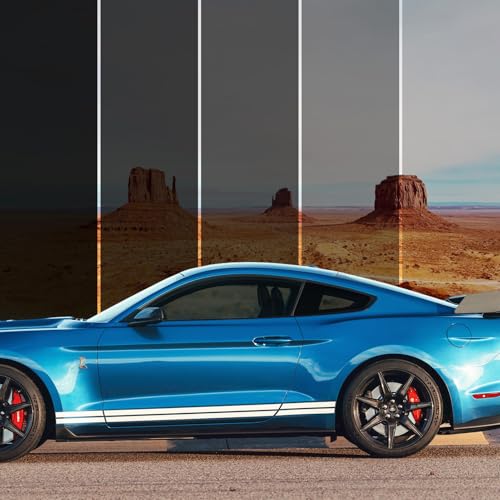
ARANA’s 15% VLT nano ceramic tint balances privacy with heat rejection. It blocks over 99% of UV rays and a significant portion of infrared energy, helping reduce interior temperatures by an estimated 45℉ to 55℉ in summer months. The film maintains HD vision for day and night driving and is designed to minimize glare while supporting smooth signal transmission for radios and mobile devices. The nano ceramic formulation enhances durability and reduces signal interference, yielding a practical option for privacy-conscious drivers who still require reliable visibility and connectivity.
VViViD One-Way Perforated Black Vinyl Window Film
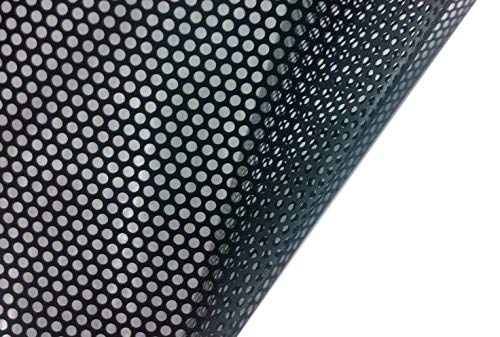
This perforated window film offers one-way visibility, with a 50/50 micro-perforated surface that looks solid from the outside while allowing occupants inside to see out. The material helps deter theft and displays a sleek, dark exterior. It’s designed for easy application with an acrylic-based adhesive, allowing removal without leaving a sticky residue. The film is particularly suitable for those who want privacy from the street while maintaining interior visibility for occupants within the vehicle. It also serves well for protecting internal displays or valuables from prying eyes during travel or parking.
DOOCKIN 2MIL Clear Safety Window Film

DOOCKIN’s 2MIL clear safety film focuses on robust UV blocking and impact absorption. Made from high-quality PE material, it is designed to be applied to the interior side of the window to limit intrusion and hold shattered glass together in the event of a break-in. The film is easy to apply and remove, with a focus on interior installation that minimizes disruption to vehicle aesthetics. This option emphasizes security through breakage resistance while preserving interior views and natural light with a thin, nearly invisible profile.
HIDNY United Professional Window Tint 3% VLT

HIDNY’s United Professional Window Tint offers a 3% VLT for maximum privacy, with a 1-ply dyed extruded film designed for improved heat reduction and UV protection. The film’s low reflectivity helps reduce glare while keeping interior lights consistent for safer driving. It’s advertised as providing enhanced heat management and interior protection from sun damage, making it a strong choice for drivers prioritizing privacy and interior comfort in high-sun environments. Local regulations should be consulted to ensure the legality of 3% VLT tint in your jurisdiction.
Buying Guide
Key purchase considerations
- Security level: For ballistic-style protection, look for films advertised as impact resistant with strong UV and IR blocking, plus features that deter break-ins.
- Visibility vs privacy: Higher privacy (lower VLT) offers better concealment but may affect night visibility. Nano-ceramic and perforated options balance privacy with interior clarity.
- Heat management: UV and IR rejection reduce interior heat, improving comfort and protecting interiors from fading.
- Adhesive and installation: Self-adhesive, interior-applied films are easier to install, with options that remove cleanly. Consider whether professional installation is preferred for best results.
- Durability and backing: Thicker films (e.g., 12 mil or higher) typically offer stronger impact resistance but may require careful handling during installation.
- Electrical signals: Some ceramic films are designed to minimize RF/IR interference; verify compatibility with GPS, radio, and mobile devices.
- Legal considerations: Many jurisdictions limit VLT levels on vehicle windows. Always verify local regulations before purchasing.
- Maintenance: Reputable films should resist yellowing and provide long-term clarity. Check for warranty and care instructions.
Product-versus-use-case comparisons
- Temporary protection vs. long-term security: Films like DOOCKIN or Big Tape-style barrier films may serve as short-term fixes, while VViViD and ARANA options offer longer-term protective features with higher UV/IR control.
- One-way visibility vs. standard tint: Perforated or one-way films provide privacy while allowing some outward visibility, which can be advantageous for safety during driving and parking.
- Interior installation vs. surface application: Interior films tend to be easier to replace and remove without damaging the exterior, but they require careful sealing to avoid air bubbles.
- Cost vs. performance: Higher-performance nano-ceramic and multi-layer films typically cost more but deliver better heat reduction and signal transparency, which matters for connected devices.