Cold weather can reduce a car battery’s cranking power and lead to troublesome starts. The following collection highlights the best battery warmers, heater pads, and insulation blankets designed to keep your car’s battery warm and ready. Each option features a thermostat or high-performance insulation to prevent overheating or overcooling, while fitting a range of battery sizes and vehicle types. Review these picks to find a reliable solution for winter driving in American conditions.
Summary of chosen products
| Product | Brand | Type | Key Benefit |
|---|---|---|---|
| Facon 8-1/2″ x 5-1/2″ Silicone Battery Heater Pad | Facon | Thermostatically controlled heater pad | Keeps battery warm with automatic shutoff at ~68°F |
| Maichis 8-1/2″ x 7-7/8″ Silicone Battery Heater Pad | Maichis | Thermostatically controlled heater pad | Prevents overheating with built-in thermostat |
| Subaru OEM 80W Battery Warmer | Subaru | Engine battery warmer | Promotes easier starting in extreme cold |
| JUWEVAZU Silicone Battery Heater Warmer Pad | JUWEVAZU | Thermostat-equipped heater pad | Maintains safe operating temperature with automatic control |
| Nkiy Quen 8.2 x 5.5 Inches Silicone Battery Pad | Nkiy Quen | Thermostatically controlled heating pad | Efficient, uniform heat with built-in thermostat |
Facon Silicone Battery Heater Pad
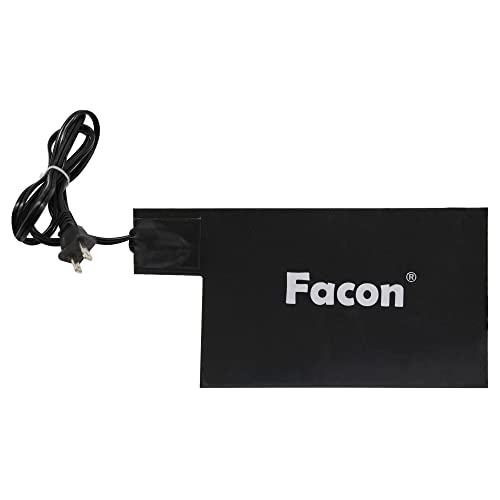
The Facon 8-1/2″ x 5-1/2″ silicone battery heater pad is designed for efficient cold-weather protection. Its thermostat-enabled operation starts when plugged into a 120V AC power source and automatically turns off around 68°F (±10). This feature helps prevent over-warming while ensuring the battery remains warm enough to deliver reliable cold-cranking amps during winter. The 60-watt heater is built with a silicone coat that resists oil, acids, and wear, and it comes with a substantial 72-inch (183 cm) power cord for flexible placement under the hood. This pad is well-suited for compact battery trays and small-to-mid-size batteries.
Key features to consider:
- Thermostat-controlled with automatic shutoff
- Waterproof, high-heat transfer silicone construction
- Compact 8-1/2″ x 5-1/2″ size with a long power cord
- 120V, 60W, 72″ cord for versatile installation
Use case: Ideal for drivers in areas with freezing nights and partial day sun, where quick starting power is critical after overnight cold snaps. It provides a simple, plug-and-go solution without complex installation.
Maichis Battery Heater Pad

The Maichis 8-1/2″ x 7-7/8″ silicone battery heater pad adds a slightly larger surface area for even heat distribution. It includes a thermostat that operates between 32°F (0°C) and 122°F (50°C), regulating temperature to prevent overheating while supporting reliable starts in cold weather. The silicone construction ensures durability in automotive environments, with 60 watts of power at 120V. This pad is a practical choice for larger battery trays or engines with generous space beneath the hood.
Considerations:
- Thermostat-driven to avoid overheating
- Durable silicone for automotive use
- 60W at 120V with a 60-inch cord for flexible mounting
Best use scenarios include extended cold periods and vehicles that require more surface heating due to battery size or placement constraints.
Subaru OEM 80W Battery Warmer

The Subaru Genuine Battery Warmer is designed to warm the engine battery to facilitate easier starting in extreme cold. It operates at 80 watts and plugs into a standard household electrical outlet, offering a simple, plug-in solution that integrates with Subaru engines and similar battery configurations. This option is especially attractive for Subaru models or other vehicles with similar battery layouts requiring a dedicated warming element to maintain cold-weather readiness.
What to know:
- Genuine OEM part tailored for optimal compatibility
- Moderate 80W heating with straightforward household plug
- Focuses on battery warmth to improve cold-start performance
Best for owners seeking a brand-aligned solution that aligns with OEM expectations and plug-in simplicity during winter conditions.
JUWEVAZU Thermostat Silicone Battery Heater Pad

The JUWEVAZU battery heater pad combines silicone construction with an integrated thermostat to prevent overheating while keeping the battery at an optimal temperature. It operates on 120V and 60 watts, ensuring sufficient warmth without excessive energy use. The 8-1/2″ x 7-7/8″ surface area supports reliable heating for a variety of battery sizes, making it a versatile option for winter protection across many car models.
Important notes:
- Thermostat-based control maintains safe temperatures
- Silicone pad designed for automotive environments
- Effective for moderate to large battery trays
JUWEVAZU is a practical pick for drivers who want a balanced heat profile with safety protections and straightforward installation.
Nkiy Quen 8.2 x 5.5 Inches Battery Pad
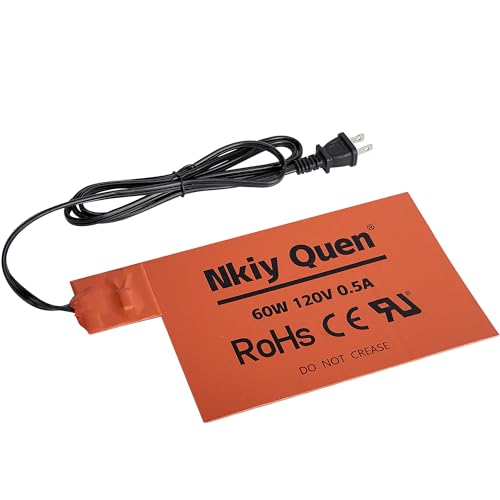
The Nkiy Quen 8.2 x 5.5 inches silicone battery pad emphasizes efficient heating with built-in precision heating wires for rapid heat distribution. The thermostat engages at lower temperatures (0°F turn-on, 50°C turn-off around 122°F) to safeguard the battery while supporting stable cold-start performance. While heat can rise briefly during operation, the system is designed to prevent overheating with secondary insulation in the thermostat. This compact pad is well-suited for tight battery compartments and thin battery trays.
Key attributes:
- Uniform heating for improved battery activity in cold
- Built-in thermostat with automatic cut-off
- Thin, flexible silicone that fits under many battery trays
Ideal for drivers with limited under-hood space who still want dependable cold-weather performance.
Buying Guide: How To Choose The Right Battery Warmer Or Insulation Kit
When selecting a battery warmer or insulation kit, consider how the product aligns with your vehicle, climate, and maintenance preferences. Here are key purchase considerations and comparisons to help you decide.
- Heat source and control: Thermostat-enabled pads automatically regulate temperature to prevent overheating, conserving energy and protecting the battery. If you live in particularly harsh climates, a larger pad or a kit with adjustable heat may provide greater protection.
- Pad size and fit: Measure your battery tray and compare to the product dimensions. A snug fit ensures even heat distribution and reduces bulk under the hood, while larger pads cover more surface area for deeper warmth on larger batteries.
- Material quality: Silicone pads offer durability, oil resistance, and flexible installation in automotive environments. Insulation blankets use high-temperature fabrics and aluminum foil layers for extended protection against both cold and heat.
- Power requirements: Most options run on 120V and 60W. Verify cord length and ease of use (outlet accessibility, proximity to the battery) to avoid awkward placements or the need for extension cords.
- Installation ease: Thermostatically controlled pads are typically plug-and-play. Insulation blankets may require trimming and edge sealing for a snug fit but can provide comprehensive protection for larger batteries or unusual battery shapes.
- Vehicle compatibility: OEM and brand-specific warmers may offer tailored compatibility, while universal pads and blankets provide broader fit across makes and models. Consider how the solution will integrate with your car’s battery tray and surrounding components.
- Safety and maintenance: Look for splash resistance, durable construction, and clear manufacturer instructions. A pad or blanket with straightforward unplug-and-inspect steps helps reduce risk during routine checks.
- Longevity and warranty: Automotive-grade products with strong warranties tend to deliver longer service life. The right choice balances upfront cost with expected lifespan under winter use.
- Environmental considerations: Devices with thermostats prevent unnecessary energy consumption, aligning with greener driving practices and reduced idle power draw.
Choosing between a heater pad and an insulation blanket often boils down to space, battery size, and climate. If you need targeted heat for a compact battery tray, a silicone heater pad with thermostat is typically sufficient. For larger batteries or vehicles exposed to extreme cold, an insulation blanket that fully surrounds the battery provides more thorough protection and can help maintain stable temperature across the entire battery area.