Rubbing compounds are essential for restoring faded gelcoat, oxidized fiberglass, and weathered painted finishes on boats and similar surfaces. This guide reviews top options, weighing cut rate, ease of use, and durability. Each product below is selected for its effectiveness across marine and automotive applications, helping you decide which compound fits your restoration project and tooling preferences.
| Product | Brand | Best For | Application Type | Notes |
|---|---|---|---|---|
| TotalBoat TotalBuff Marine Rubbing Compound (Quart) | TotalBoat | Heavy oxidation, scratches | Hand or buffer | Aggressive, long open time |
| 3M Super Duty Rubbing Compound | 3M | Fine to heavy scratches | Hand or buffer | High cut rate, wax-free |
| STAR BRITE Liquid Rubbing Compound | STAR BRITE | Medium oxidation, restoration | Hand or buffer | Versatile, easy cleanup |
| 3M Perfect-It Gelcoat Heavy Cutting Compound | 3M | Gelcoat oxidation restoration | Buffer or machine | Fast cutting for gelcoat |
| ABRO Superior Performance Rubbing Compound | ABRO | Oxidation on vehicles, boats | Hand or buffer | Versatile finishing and polishing |
TotalBoat TotalBuff Marine Rubbing Compound
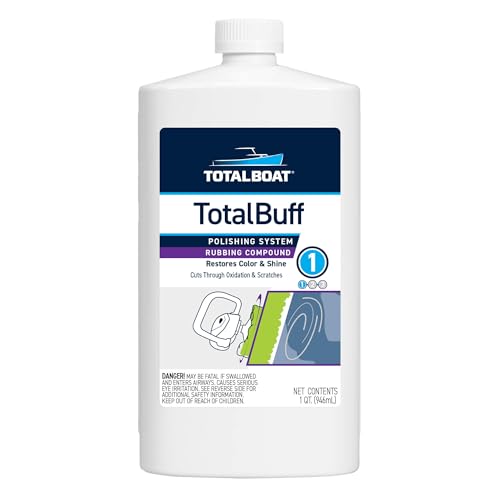
Powerful marine rubbing compound designed to remove heavy oxidation and 600/800 grit scratches from chalky, faded fiberglass gelcoat and painted surfaces. It applies easily by hand and buffs well with a wool compounding pad. The formula maintains a long open time so the grit can work, and it leaves no film behind. While optimized for boats, it works on fiberglass gelcoat and painted surfaces on RVs, cars, and more. It’s particularly effective for restoring badly weathered finishes beyond one-step compounds.
3M Super Duty Rubbing Compound

This economical compound delivers a high cut rate to refine P1000 grade and finer scratches on automotive and marine paint and gelcoat surfaces. It removes oxidation to help restore the finish and is suitable for use with hand or machine application. The formulation avoids waxes or silicones, making it a versatile base for subsequent polishing steps.
STAR BRITE Liquid Rubbing Compound
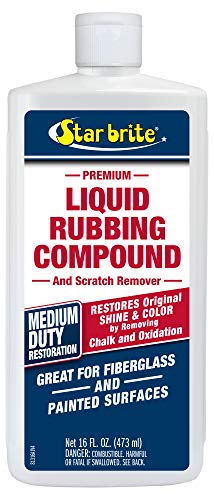
STAR BRITE’s medium-oxidation rubbing compound is versatile for fiberglass, metal, and painted surfaces. It’s designed for easy hand or buffer application and avoids hardening, allowing for efficient restoration with minimal effort. For a durable finish, pair with a protective polish such as a marine-grade sealant or wax after polishing.
3M Perfect-It Gelcoat Heavy Cutting Compound

Specifically formulated for gelcoat surfaces, this fast-cutting compound tackles heavy oxidation on boat hulls and RV gelcoat. It’s designed for industrial or professional use and is best applied with a buffer to achieve consistent results on larger areas. Note that it is intended for industrial contexts and may require proper safety precautions when used by non-professionals.
ABRO Superior Performance Rubbing Compound

ABRO’s rubbing compound targets stubborn oxidation and blemishes, acting as both a rubbing compound and polish to deliver a smooth, glossy finish on cars, boats, and motorcycles. Its fast-cutting action penetrates quickly to restore faded color and shine, making it suitable for multi-surface projects where a thorough polish is desired.
Buying Guide
When choosing a boat rubbing compound, consider the following factors to ensure the right match for your project:
- Oxidation level and scratches: Heavier oxidation requires a more aggressive compound; lighter cases can use milder formulas.
- Surface type: Gelcoat, fiberglass, painted metal, or automotive finishes may respond differently; choose a product designed for your surface.
- Cutting action: High-cut compounds remove material faster but may require more steps; milder formulas are forgiving and ideal for beginners.
- Application method: Hand application for small areas; machine or buffer for larger surfaces. Some compounds work better with wool pads, others with foam.
- Finish compatibility: Consider follow-up products like glaze, polish, or a protective sealant/wax to maximize shine and protection.
- Safety and environment: Use appropriate eye protection and work in a well-ventilated area. Check for any warnings on industrial-use labels.
For multi-step restoration, a common approach is to start with a heavier cutting compound, move to a medium-cut option, and finish with a fine polish or sealant to protect the restored surface. Always test a small inconspicuous area first to confirm compatibility and finish.