Choosing the right brush for clear coats can dramatically improve results on wood, furniture, and trim. This guide highlights five top-rated brushes that excel with oil-based and water-based clear coats, along with practical buying considerations to help you select the best tool for your project.
Summary of chosen products:
| Product | Brand | Type | Key Benefit |
|---|---|---|---|
| Wooster 3103-2 Foam King | Wooster | Foam Brush | Smooth, no-brush marks |
| Wooster Q3211-2 Shortcut Angle Sash | Wooster | Sash Brush | Compact maneuverability |
| Wooster 3103-1 1/2 Foam King | Wooster | Foam Brush | Consistent flex, neat results |
| Linzer 8505 0100 Foam Brush | Linzer | Foam Brush | Precision for small details |
| Minwax Oil-Based Topcoat Brush | Minwax | Natural Bristle | Glass-like finish with oil-based coatings |
Wooster 3103-2 Foam King Paintbrush, 2-Inch
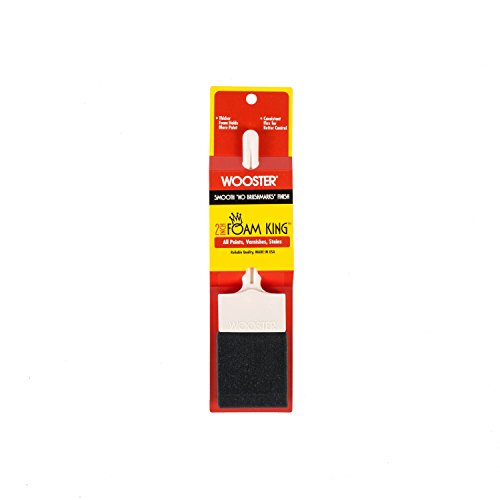
The Wooster 3103-2 Foam King is a high-quality USA-made brush designed for all paints, varnishes, and stains. Its thick polyurethane foam delivers a smooth finish with minimal to no brush marks, making it ideal for clear coats on furniture and cabinetry. The white plastic handle includes a built-in stiffener blade to maintain consistent flex and neat results, helping you achieve uniform coverage across flat panels.
Key considerations
- Foam quality impacts gloss and edge control; this model minimizes visible brush strokes.
- Best for thin-to-medium coating layers; avoid overly thick applications in tight corners.
Wooster Q3211-2 Shortcut Angle Sash Paintbrush, 2-Inch

The Wooster Q3211-2 is a compact, 2-inch sash brush with a flexible purple Shergrip handle for tight spaces. Its white nylon and gold polyester blend holds up well with various paints and finishes, while the brass-plated steel ferrule ensures durability. This brush provides precise edge control, making it suitable for detailing and tight grain areas in clear coats where a clean line is required.
Key considerations
- Ideal for edging and trim where other brushes struggle.
- Flexible handle enhances maneuverability without sacrificing control.
Wooster 3103-1 1/2 Foam King, 1-1/2-Inch

The Wooster 3103-1 1/2 Foam King offers the same high-quality US construction with a slightly narrower width for more precise work. The thick polyurethane foam helps deliver a smooth, no-brush-marks finish across smaller panels or curved edges. The white plastic handle with a built-in stiffener blade supports consistent flex, reducing stroke variation in clear coat applications.
Key considerations
- Versatile for doors, drawer fronts, and fine projects.
- Foam design is forgiving on finishes with minimal tip feathering.
Wooster 3103-3 Wooster 3913 Deluxe Foam Brush Set

Though listed as an assortment, this Wooster lineup highlights a deluxe foam brush option suitable for clear coats. The thick foam layer contributes to a smoother finish with fewer brush marks, while the white handle and stiffener blade help maintain consistent brush tension during longer applications. This option is advantageous when refinishing larger surfaces that require even coverage across the grain and edges.
Key considerations
- Deluxe foam brushes balance coverage and control.
- Useful for projects with wider surfaces needing consistent gloss and sheen.
Minwax Oil-Based Topcoat Brush, 1-1/2 in.

The Minwax Oil-Based Topcoat Brush uses natural bristle designed for a smooth, glass-like finish. Natural bristle boasts excellent absorption and hold for oil-based clear coatings, which helps reduce lap marks and enhances leveling. This brush is especially suited for polyurethane and other oil-based topcoats, delivering a high-sheen result suitable for furniture and cabinetry. Clean-up typically requires mineral spirits or as directed by the manufacturer.
Key considerations
- Best suited for oil-based products and finishes requiring a glossy, durable layer.
- Natural bristle can hold generous coating amounts for consistent coverage.
Buying Guide: Clear Coat Brush Considerations
- Coating type: Oil-based vs. water-based clear coats. Oil-based favors natural bristle brushes for a smooth glow, while foam brushes excel with acrylic or polyurethane coatings with minimal brush strokes.
- Finish goal: For ultra-smooth surfaces, foam brushes are often preferred due to their minimal tip drag; for edges, corners, and trim, sash or angled brushes improve control.
- Surface area: Larger surfaces benefit from wider brushes (1.5–2 inches). Smaller, detailed work benefits from 1–1.5 inch brushes and angled options.
- Durability and care: Foam brushes can shed if overworked; clean per manufacturer instructions and store flat to reduce deformation.
- Edge control: Built-in stiffeners and edge-guides help maintain a consistent line along grain direction, reducing rework.
- Durability of bristles vs. foam: For high-wear projects, durable bristle brushes may hold up longer, but foam brushes can yield a smoother finish for clear coats.
- Maintenance: Proper cleaning and solvent compatibility extend brush life and prevent bristle degradation or foam breakdown.
- Cost vs. performance: Higher upfront quality often reduces rework and yields better gloss and clarity in the finished coat.