Many long-haul drivers rely on bunk heaters to stay warm during winter runs. This guide highlights top 5 bunk heaters for semi trucks, focusing on 12V diesel models designed for heavy-duty use, high-altitude performance, and quiet operation. Each option below includes key features to help you compare heating capacity, fuel usage, and ease of installation for trucks, RVs, and other overland rigs.
Summary of Selected Products
| Product | Brand | Notable Strengths | Fuel Type |
|---|---|---|---|
| OBAKL 8KW Aluminum Housing Diesel Heater | OBAKL | All-aluminum housing; high-altitude plateau version; rapid heating in ~10 minutes | Diesel |
| 12V 7kW Diesel Heater With LCD & Altitude Mode | ZBJinG | LCD display; ST chip control; aviation plug wiring harness; low noise | Diesel |
| 7KW All-in-One Diesel Heater For Air & Water (Plateau) | ZBJinG | Dual heating: air and engine coolant; built-in plateau version | Diesel |
| munirater Split Air Heater 5KW | munirater | LCD & remote control; quiet operation; easy install | Diesel |
| VEVOR 8KW All-in-One Diesel Heater | VEVOR | All-in-one unit; fast heating; broad operating range | Diesel |
OBAKL 8KW Aluminum Housing Diesel Heater

The OBAKL bunk heater uses an all-aluminum housing designed for corrosion and oxidation resistance, ensuring durability in cold and humid environments. It delivers rapid heating with 8 KW of power at 12V, using diesel fuel. It can warm an area of about 20 square meters within 10 minutes. A built-in temperature sensor provides overheat protection, enhancing nighttime safety. This model includes a plateau version capable of automatically adjusting air-fuel ratio at high altitudes up to 18,045 feet (5,500 meters), helping maintain reliable ignition and combustion in mountain routes.
12V 7kW Diesel Heater With Altitude Mode

This ZBJinG unit delivers 7 kW of heating power and includes an LCD screen with motherboard ST chip control for stable operation and fault alerts. It features aviation plug wiring for robust power connections and a Japanese-sourced motor bearing for longer life and reduced noise. The high-altitude adaptation helps when driving in mountain regions, making it a practical choice for long hauls across varied terrain.
7KW All-in-One Diesel Heater For Air & Water Preheating

This all-in-one unit combines air heating with engine coolant preheating, plus a water heating function suitable for RVs and trucks with larger hot water needs. It includes a 40+ liter water tank capacity, enabling vehicle occupants to enjoy warmed water while the engine preheats. An LCD display and ST chip control provide status updates and fault messages, aiding quick troubleshooting and stable operation in demanding winter routes.
munirater Split Air Heater 5KW
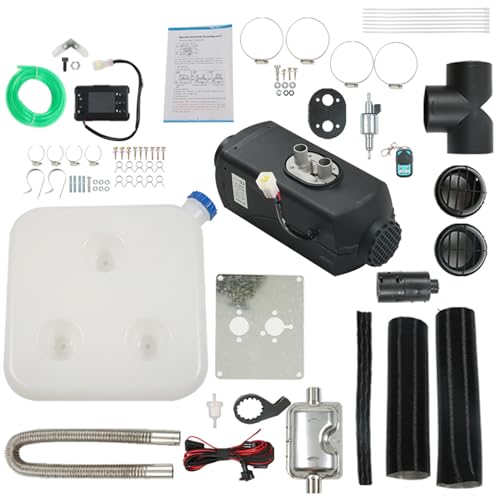
The munirater heater provides a single-outlet bunk heating solution with LCD and remote control for convenient temperature adjustments from inside the cab. It emphasizes low-noise operation and energy efficiency through precise fuel control and a quiet blower. This model is positioned as a flexible option for trucks, RVs, buses, and boats requiring a compact, controllable heating solution without extensive installation work.
VEVOR 8KW All-in-One Diesel Heater

The VEVOR 8KW unit is designed as an all-in-one diesel air heater with a 12V supply and a compact footprint suitable for truck cabs and RVs. It heats quickly (within about 10 minutes) and supports engine preheating and cabin comfort. The model aims to balance efficiency and power, offering a steady supply of warm air and a durable aluminum combustion chamber to withstand frequent use on long hauls.
DH DOMESTIC HELPER 7KW Plateauf Heating System
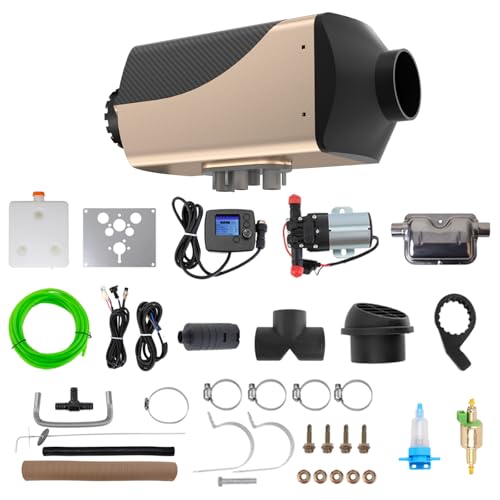
The 7KW DH DOMESTIC HELPER unit combines air heating with water heating and engine coolant preheating in a plateau-ready design. It features an ST-Chip mainboard and a low-temperature LCD for real-time status and troubleshooting guidance. The dual-function system helps mitigate winter starting issues, improve cabin comfort, and extend engine life in cold environments. Suitable for long-haul trucks, RVs, and marine use where versatile heating is needed.
Buying Guide: Key Purchase Considerations
- Heating capacity and space: Choose a unit with enough output to warm the cab area and bunk efficiently. 7–8 kW is common for semi-truck cabs, while 5 kW models suit smaller spaces or secondary heating needs.
- Altitude performance: If you drive high elevations, prefer models with altitude adaptation to maintain ignition reliability and fuel efficiency in thin air.
- All-in-one vs. split systems: All-in-one units simplify installation but may be heavier; split systems can offer flexible placement and easier maintenance for components like the heater unit and water tank.
- Fuel type and efficiency: Diesel heaters are standard for trucks; look for efficient fuel pumps and low noise levels to reduce driver fatigue and fuel costs.
- Control interface: LCD displays, wireless remotes, and smartphone apps enhance usability in moving cabs. An ST microcontroller or similar control chip generally improves reliability and fault reporting.
- Durability and materials: Aluminum housings resist corrosion in harsh environments. Plate‑through and high-altitude variants are valuable for longevity in winter routes.
- Water heating capability: If you need domestic hot water or engine coolant preheating, consider an all-in-one model that supports both air and water heating.
- Installation considerations: Some units use aviation-grade wiring and robust connectors; verify compatibility with your vehicle’s electrical system and available space in the engine bay or bunk area.
- Maintenance and support: Look for parts availability, clear fault indicators on the display, and accessible replacement components to minimize downtime on the road.
When evaluating options, weigh the balance between warm-up speed, altitude resilience, noise levels, and installation effort. For drivers operating in remote winter corridors, priority is often given to high-altitude performance and reliable fault alerts, while those prioritizing cabin comfort may value dual heating capabilities (air and water) and robust control interfaces.