Choosing the right RCA cables can impact your car’s audio clarity, noise floor, and overall listening experience. The following selection highlights five high-quality interconnects designed for automotive use, including oxygen-free copper conductors, twisted-pair construction, shielding, and durable jackets. Whether you’re wiring an amplifier, subwoofer, or processor, these options prioritize signal integrity and minimal noise for American listeners who want dependable performance on the road.
| Product | Brand | Length | Type | Key Benefit |
|---|---|---|---|---|
| RECOIL RCI417 | RECOIL | 17 ft | 4-Channel | Twisted pair with 99.99% OFC |
| SKAR2CH-RCA17 | Skar Audio | 17 ft | 2-Channel | High-purity copper, twisted pair |
| RECOIL RCI23 | RECOIL | 3 ft | 2-Channel | Compact, low-noise interconnect |
| DS18 R12 Ultra Flex RCA | DS18 | 12 ft | 2x Male to 2x Male | OFC shielded core, EMI/RFI reduction |
| Elite Audio PRM15 | Elite Audio | 15 ft | 2-Channel | Double shielded, OFC |
RECOIL RCI417 17ft 4-Channel RCA Cable

The RECOIL RCI417 interconnect is engineered for multi-channel systems, offering a 17-foot length to accommodate typical dashboard-to-trunk layouts. It uses 99.99% oxygen-free multi-strand copper wire and twisted-pair technology to maximize signal transfer while minimizing static and popping. An extended length helps maintain signal integrity across longer runs, which is especially beneficial when routing cables behind dashboards or under seats. This model is designed to support four channels, making it suitable for composite amplifier setups or processor integration where clean, noise-free audio is essential.
Features include: 4-channel Echo Series construction, high-purity copper, twisted pair configuration, and a focus on noise reduction. The combination of materials and geometry reduces interference from power lines and vehicle electronics, yielding clearer highs and tighter bass. Installation considerations include ensuring compatible RCA input/output on your head unit or processor and securing the cable along OEM routing paths to minimize EMI pickup. Durability is aided by a sturdy jacket suited to automotive environments.
Skar Audio SKAR2CH-RCA17 17-Foot 2-Channel
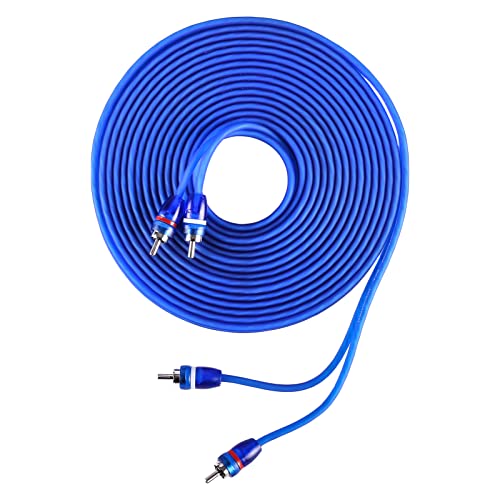
The SKAR2CH-RCA17 delivers audiophile-grade performance for 2-channel systems with a generous 17-foot run. Built with 99.99% oxygen-free copper and twisted-pair construction, this interconnect emphasizes low capacitance and minimal signal loss. The design targets studio-grade clarity, aiming to preserve timbre and detail from the head unit to an amplifier or processor. It is a straightforward choice for users looking to optimize stereo separation and dynamic range in a car environment where long cable runs are common.
Key considerations include compatibility with common RCA inputs, shielding effectiveness, and the overall impedance control in the line. The thicker copper cores and twisting help resist interference from alternators and electrical devices, contributing to cleaner midrange and smoother highs. As with any RCA run, routing away from power cables, using well-secured ties, and avoiding sharp bends preserves sonic fidelity over time.
RECOIL RCI23 3ft 2-Channel RCA Cable

The RECOIL RCI23 provides a compact option for shorter runs where space is constrained, such as between a head unit and a nearby amplifier. At 3 feet, it minimizes excess cable clutter while preserving high-quality signal transfer through 100% OFC copper and twisted-pair architecture. Its noise-reduction features help prevent static and popping artifacts in tight installations, where power line interference can be more pronounced due to proximity to the vehicle’s electronics. This makes it a practical choice for dash-to-trunk routes or tight under-dash installs.
Considerations for this length include ensuring the run is long enough to reach either the head unit or amplifier inputs without taut bends. The connectors are standard RCA sizes, designed to mate with most aftermarket and OEM interfaces. While shorter cables may offer less potential for interference than long runs in busy dashboards, proper routing and shielding still deliver a clean signal with minimal distortion.
Elite Audio PRM15 Premium 15ft RCA Cable
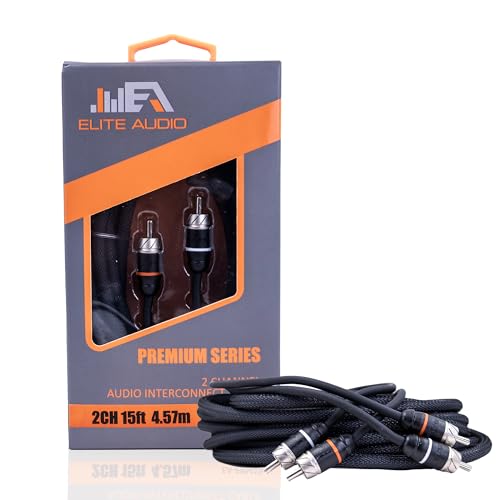
The Elite Audio PRM15 is designed for professional-grade car audio setups requiring a long, reliable interconnect. The 15-foot length accommodates most vehicle layouts, including longer dash-to-amp routes. It uses oxygen-free copper and double shielding to suppress external interference and preserve the integrity of the transmitted signal. The cable also features a copper drain wire to further reduce distortion and improve durability in climate-variable automotive environments.
In practice, this cable is well-suited for high-fidelity systems involving amplifiers, processors, and subwoofers where maintaining signal purity across a longer distance matters. The universal RCA connectors ensure compatibility with a wide array of devices, while the shielding strategy minimizes crosstalk and EMI. As with all high-quality RCA cables, proper installation—avoiding kinks, keeping the path clear of heat sources, and securing cables away from power lines—will maximize performance and longevity.
RECOIL RCI217-2 17ft 2-Channel RCA Cable (2 Pack)

This bundle provides two identical 17-foot 2-channel interconnects, ideal for two-channel systems that require length and redundancy. The 100% oxygen-free copper wire and twisted-pair construction aim to minimize noise and maximize signal integrity across longer installations. A two-pack is convenient for multi-amp configurations or back-to-back components such as a head unit to amplifier and a processor to amp, ensuring consistent performance across the system.
Use cases include multi-amp setups or vehicles requiring symmetric channel transmission with reduced susceptibility to electromagnetic interference. The two-pack design supports straightforward upgrade paths and easier routing planning. When installing, ensure each cable has a clean path, away from high-heat areas and power cables, to sustain long-term performance.
Buying Guide: Key Purchase Considerations And Comparisons
- Cable construction: Look for oxygen-free copper (OFC) conductors and twisted-pair designs. OFC reduces signal degradation, while twisted pairs minimize crosstalk and noise from nearby electrical systems.
- Shielding and insulation: Double-shielded or well-insulated jackets protect against EMI and RFI. This is especially important in modern vehicles with many electronic modules and constant engine-generated noise.
- Length and routing: Choose cable length that fits your vehicle layout with some slack for routing, bends, and hidden installations. Excessive length can introduce minimal signal loss, so balance is key.
- Connectors: Standard RCA connectors should be compatible with most head units, amps, and processors. Gold-plated contacts resist corrosion and ensure reliable connections.
- Durability: Automotive environments demand flexible jackets and robust strain relief to survive heat, vibration, and foot traffic in trunks and cargo areas.
- Number of channels: For two-channel stereo systems, 2-channel cables are typically sufficient. For multi-channel amps or processors, 4-channel or longer options are more versatile.
- Value vs. performance: Higher-purity copper and advanced shielding typically yield quieter operation and better high-frequency response, but assess your system’s needs and budget.
- Installation considerations: Route cables away from power lines and speakers’ heavy-duty wiring. Secure cables with clips and zip ties to avoid movement and abrasion over time.
When evaluating options, compare build quality, conductor materials, shielding, available lengths, and whether a cable bundle fits your setup. For many car audio projects, investing in cables with proven noise-reduction features and durable automotive-grade jackets provides more reliable long-term performance than cheaper, generic cables. Always match your cable choice to your system architecture—head unit, amplifier, subwoofer, and processor—so you maximize signal integrity without introducing unnecessary complexity.