Towing requires reliable hitches that fit your vehicle and deliver steady performance. This guide highlights five popular hitch options, covering compatibility from Toyota to Ford to Jeep, with a focus on 2-inch and Class 3 receivers. Each listing includes key specs, safety notes, and what to consider when choosing a hitch for your towing needs.
The following quick-reference table lists the chosen products and their primary compatibility notes to help you compare at a glance.
| Product | Vehicle Compatibility | Capacity Highlights |
|---|---|---|
| APS Rear Trailer Hitch for Lincoln Town Car | Lincoln Town Car 1981-2011; Lincoln Mark VI 1980-1983 | Rated up to 4000 lbs WC; 400 lbs TW; SAFE under SAE J684 |
| APS Rear Trailer Hitch for Ford Escape | Ford Escape 2013-2019 | 3500 lbs WC; 350 lbs TW; SAE J684 compliant |
| Class 1 1.25″ Receiver for Toyota Corolla | Toyota Corolla 2003-2019 | Class 1; 1.25″ receiver; lighter-duty option |
| KUAFU Class 3 2″ Receiver for Toyota RAV4 | Toyota RAV4 2006-2018 | 675/4500 lbs WC/GTW; solid steel; black powder coat |
| Aps Rear Trailer Hitch for Jeep Cherokee | Jeep Cherokee 2014-2018 | Up to 5000 lbs WC; 750 lbs TW; SAE J684 |
APS Rear Trailer Hitch For Lincoln Town Car

Vehicle-specific design blends with the factory rear bumper for Lincoln Town Car models from 1981 to 2011, and it also fits certain Lincoln Mark VI years. The hitch is engineered to carry up to 4000 pounds of weight carrying capacity and 400 pounds of tongue weight. It supports heavier loads with a 6000-pound weight distribution rating and a 600-pound distribution tongue weight. Safety and reliability are addressed by compliance testing that aligns with SAE J684 standards.
APS Rear Trailer Hitch For Ford Escape

This OE-style trailer hitch is designed for Ford Escape models from 2013 to 2019. It provides a robust towing capacity of up to 3500 pounds weight carrying, with a 350-pound tongue weight and a 5000-pound weight distribution limit. The design mirrors the rear bumper for a clean, integrated appearance, and it adheres to V5 safety standards and SAE J684 guidelines to help ensure secure towing.
Class 1 1.25″ Receiver For Toyota Corolla

This Class 1 hitch is compatible with 2003-2019 Toyota Corolla 4-door sedans. It uses a 1.25″ receiver tube and is described as lightest-duty, suitable for smaller loads on compact cars, full-size cars, some smaller crossovers, minivans, and compact SUVs. It does not include hitch hardware like pins, clips, or ball mounts, so buyers should plan for those additional components when selecting this option.
KUAFU Class 3 2″ Receiver For Toyota RAV4

Engineered for 2006-2018 Toyota RAV4 models, this 2″ receiver hitch is built from professional steel with a black powder-coated finish to resist corrosion and wear. It is rated for 675 pounds of tongue weight and 4500 pounds gross towing weight. The manufacturer notes emphasize proper vehicle-specific compatibility and torque specs, reminding users to verify their exact trim and suspension before purchase.
APS Rear Towing Hitch For Jeep Cherokee

Specific to the Jeep Cherokee 2014-2018, this trailer hitch offers an OE-style fit with factory rear bumper integration. It is rated for up to 5000 pounds weight carrying capacity and 750 pounds tongue weight, with a total weight distribution capacity of 6000 pounds and a 750-pound distribution tongue weight. The hitch is tested to exceed V5 standards and SAE J684, promoting safe and stable towing across a range of trailered loads.
APS Rear Trailer Hitch For Toyota RAV4 2019-2025

Designed for Toyota RAV4 models from 2019 through 2025, this 2-inch receiver hitch aligns with the factory rear bumper to offer a clean look and secure mounting. It supports up to 4000 pounds weight carrying capacity, 600 pounds tongue weight, and a matching 4000 pounds weight distribution capacity with a 600-pound distribution tongue weight. It is built to meet or exceed SAE J684 safety guidelines for dependable towing performance.
Trailer Hitch For Ford Edge And Lincoln MKX
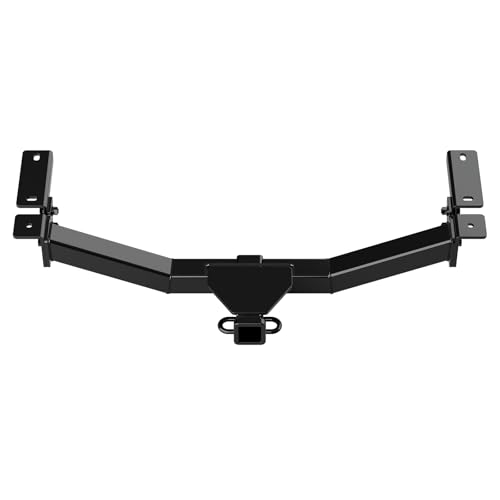
This option supports Ford Edge and Lincoln MKX models across various years, applying a Class 3 hitch design with a 2-inch receiver. It emphasizes robust build quality and reliable towing performance, with specification details that align with standard trailer hookup configurations. Reviewers should confirm vehicle year and trim to ensure compatibility with the mounting points and bumper profile.
Buying Guide: Key Purchase Considerations And Comparisons
- Vehicle compatibility: Always verify the exact model year and configuration of your vehicle. Many hitches are designed for specific generations or trim levels, and a mismatch can affect installation and safety.
- Receiver size and class: A 2-inch receiver is common for mid-to-heavy towing, while 1.25-inch receivers are lighter-duty. Choose based on the heaviest loads you anticipate and the availability of compatible accessories.
- Weight capacity: Distinguish between weight carrying (WC) and weight distribution (WD) ratings, and understand tongue weight (TW) limits. Ensure the hitch capacity exceeds the expected load, including any extra gear or passengers in the vehicle.
- Safety standards: Look for conformity with SAE J684 and related safety ratings. This helps ensure stability, hitch integrity, and reliable braking and handling when towing.
- Material and finish: Hitches made from high-strength steel with a corrosion-resistant powder coat offer longevity, especially if you regularly tow in harsh weather or salt-treated roads.
- Installation and hardware: Some listings note that pins, clips, or ball mounts are not included. Confirm what’s included and whether professional installation is advisable for complex fitments.
- OEM-style vs. aftermarket appearance: Some hitches are designed to blend with the factory bumper, offering a cleaner look. If aesthetics matter, consider those options first.
- Maintenance and inspection: Regularly inspect hitch mounting points, welds, and the receiver tube for wear, cracks, or corrosion. Address rust and impact damage promptly to maintain towing safety.
Choosing the right hitch involves aligning vehicle compatibility, load expectations, and safety standards. By matching these factors with the options above, you can select a hitch that provides dependable towing performance for daily use, camping trips, or work-related hauls.