Car mechanic toys combine hands-on building with imaginative play, helping kids learn basic engineering, problem solving, and fine motor skills while having fun. The following 5 products are selected for 10-year-olds who enjoy assembling, tinkering, and exploring how vehicles work. Each option offers different levels of realism, electronic features, and building complexity to suit varied interests and skill levels.
| Product | Brand | Key Features |
|---|---|---|
| Qaba Truck Engine Toy | Qaba | 61-piece set with lights, sounds, steering wheel; realistic engine play; gear options; DIY sticker set |
| 3 Bees & Me STEM Car Building Kit | 3 Bees & Me | Open-wheel model; complete building kit; no extra tools needed; durable educational set |
| Coogam Take Apart Racing Car | Coogam | 26 pieces; electric screwdriver option; lights and car sounds; repair play |
| Zingywise 7-in-1 STEM Building Toy | zingywise | 171 pieces; 7 models; includes a bonus model; portable storage box |
| Veecafiodi 50-in-1 STEM Kits | Veecafiodi | 50 models; motorized options; 107 pieces; step-by-step instruction |
Qaba Truck Engine Toy
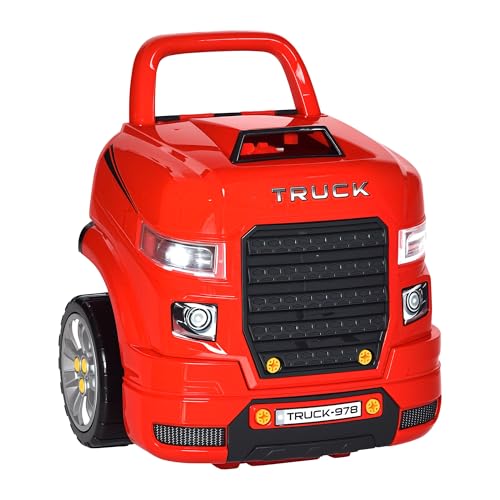
Qaba’s Truck Engine Toy provides a hands-on exploration of car internals through a 61-piece set. The kit includes 28 bolts, 4 nuts, a key fob with simulated lock, horn, lights, and sound, plus a DIY sticker set. Kids can open the engine cover to learn components such as coolant, oil, spark plugs, batteries, wheels, brakes, and headlights. A push-start engine, hazard lights, and four gears (P, R, N, D) add realism. The included storage box helps with organization, supporting longer play sessions and repeatable repair scenarios.
3 Bees & Me STEM Car Building Kit
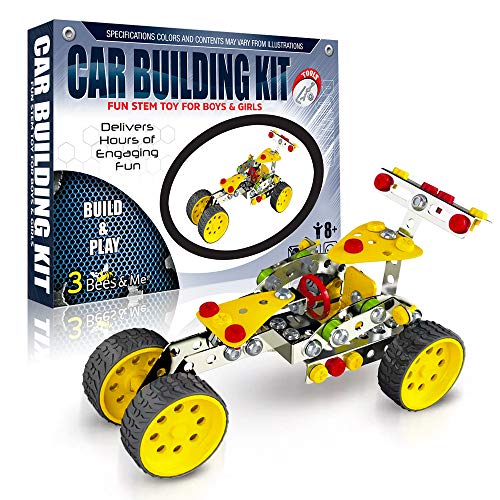
This car-building kit from 3 Bees & Me is designed for ages 8-12 and emphasizes open-ended STEM learning. The complete kit contains everything needed to assemble an authentic open-wheel model car, with no additional tools required. It encourages kids to take apart and rebuild, promoting persistence and problem-solving as they master the assembly process and then explore variations or new designs. The ‘beginner-friendly’ approach makes it a strong option for expanding a budding engineer’s toolkit.
Coogam Take Apart Racing Car

Coogam’s Take Apart Racing Car centers on a 2-in-1 design that blends construction with interactive play. The set includes a plastic drill and screws, enabling kids to assemble and take apart the car as they follow a straightforward manual. When complete, lights illuminate and car sounds play at the hood press, adding a sensory element that can motivate careful, step-by-step work. This kit emphasizes fine motor skills, sequencing, and procedural thinking in a compact package.
Zingywise 7-in-1 STEM Building Toy
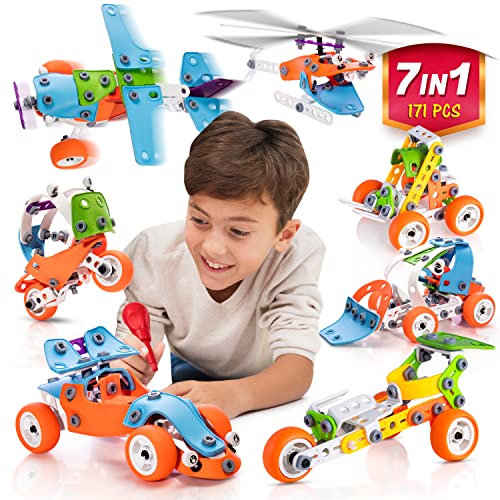
The Zingywise STEM set expands a builder’s horizons with 171 pieces to create seven different vehicle models: car, airplane, motorcycle, helicopter, tractor, forklift, and buggy. A bonus model adds challenge, while spare parts increase reusability. The kit’s robust storage box helps maintain organization for ongoing projects. This option is ideal for kids who enjoy multi-model projects and longer-term construction activities, supporting broader engineering thinking and project planning.
Veecafiodi 50-in-1 STEM Kits

The Veecafiodi kit offers 50 possible models with 107 durable pieces and a motorized option (requires 3 AAA batteries). Complete with a clear step-by-step manual, this set supports independent building and guided projects. The motorized component introduces motion and feedback, helping children observe cause-and-effect relationships in engineering and design. It’s well-suited for curious learners who enjoy exploring a broader range of mechanisms in a single set.
Buying Guide: Key Purchase Considerations
When choosing car mechanic toys for a 10-year-old, consider the following factors to match interest, skill level, and safety needs:
- Complexity vs. age-appropriateness: Some kits are more beginner-friendly, while others offer advanced assembly and multiple models. Balance challenge with the child’s patience and skill growth.
- Hands-on learning focus: Look for sets that emphasize real-world mechanisms (engines, gears, sensors) and clear explanations of how parts interact. This supports STEM understanding beyond imitation play.
- Electronic features: Lights, sounds, motorized components, and electric screwdrivers add realism and engagement but may require batteries. Consider whether ongoing maintenance (batteries, replacements) fits the child’s routine.
- All-in-one kits vs. expansion potential: Some sets come with everything needed, while others are part of larger ecosystems. Decide if you want a complete experience now or room to grow with additional kits later.
- Durability and materials: Metal and hard plastics often withstand rough play better than fragile components. Check for loose parts and secure storage options to minimize loss.
- Storage and organization: A sturdy box or tray helps kids keep parts organized, encouraging responsible play and reuse across projects.
- Safety considerations: Look for age recommendations, small parts warnings for younger siblings, and child-safe tools if included. Supervised use is advised for younger builders.
- Educational value vs. entertainment: The best options balance engaging play with teachable moments about engineering, problem solving, and collaboration if played with peers.