When working on exhaust systems, a reliable catalytic converter cutter can simplify removing or trimming tailpipes and related components. The following selections focus on durable chain and rolling-blade cutters that handle common pipe materials like copper, low-carbon steel, and PPR. Each pick is chosen for user-friendly operation, effectiveness in tight spaces, and consistent cutting performance.
| Product | Brand | Key Feature | Diameter Range |
|---|---|---|---|
| Exhaust Tube Chain Cutter | Zhupoub | 14 rolling blades; adjustable, easy wrap-and-cut operation | 0.6″–3.3″ |
| OEMTOOLS 27045 Exhaust Cutter | OEMTOOLS | One-hand rotation; cushion grips for comfort; compact for tight spaces | 0.75″–3.25″ |
| MacWork Exhaust Pipe Cutter | MacWork | Rolling blade design; wide range; suitable for PVC or copper | 0.6″–3.3″ |
| Powerbuilt Tail Pipe Cutter | Powerbuilt | 12 cutting teeth; clean square cuts; fits in limited clearance | 3.5″–6″ |
| ZJMCAJY Exhaust Pipe Cutter Tool | ZJMCAJY | Nonslip handle; one-handed operation; good for tight spaces | 0.75″–3.25″ |
Note: This article presents objective product details drawn from current listings. Always verify diameter ranges and material compatibility for your specific vehicle and project needs before purchase.
Exhaust Tube Chain Cutter (Zhupoub)
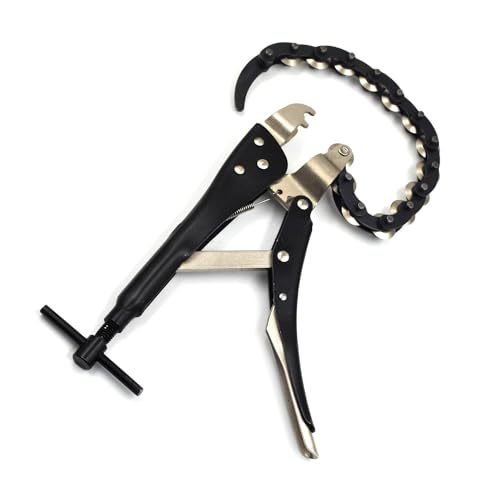
The Zhupoub Exhaust Tube Chain Cutter is designed to cut exhaust pipes and tailpipes across multiple materials. It features 14 rolling blades and a length of about 11.8 inches. The tool handles pipes in the 0.6″ to 3.3″ (15–85 mm) range with a maximum wall thickness of 0.1″ (2.5 mm). To use, wrap the chain around the pipe, lock into the handle, tighten the adjustment knob, and rotate back and forth until the cut is complete. This cutter is suitable for PPR, low-carbon steel, and copper exhaust sections.
Key advantages include a straightforward wrap-and-cut method, a compact form factor for maneuvering in tight spaces, and a robust wiring-like chain that helps maintain a straight cut. Users should ensure proper alignment and take care around decorative or heat-shielded areas to avoid marring adjacent components. The tool is best suited for shallow, shallow-wall pipes rather than thick-walled stainless steel sections.
OEMTOOLS 27045 Exhaust Cutter

The OEMTOOLS 27045 is a compact chain cutter designed for 3/4″ to 3-1/4″ exhaust pipes. It emphasizes one-handed operation with cushioned grip handles to reduce fatigue during extended use. The design supports easy wrapping around the tubing, hooking the chain to the jaw, and rotating the chain to advance the cut. Its compact profile makes it especially useful in tight engine bays where larger cutters won’t fit.
Performance notes indicate reliable progress with straightforward setup, though cutting thicker or harder metals may require gradual, patient rotation. The tool’s one-handed rotation feature is a primary selling point for fast, controlled cuts in cramped spaces. Regular care includes cleaning debris from the cutting wheels and checking for blade wear to maintain precision.
MacWork Exhaust Pipe Cutter
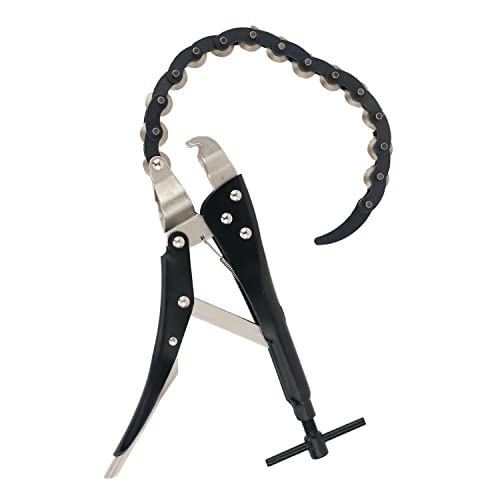
The MacWork Exhaust Pipe Cutter uses a rolling blade design and a 0.6″ to 3.3″ range, making it compatible with standard exhaust tubing and tailpipes. It promotes a smooth cutting experience with a robust 14-blade setup and a corrosion-resistant handle. The cutter is advertised as suitable for PPR, low-carbon steel, and copper pipe, but not for stainless steel. The tool is versatile enough to cut exhaust sections or copper piping in constrained spaces.
Users should note the importance of correct alignment and steady rotation to achieve clean edges. The device’s longevity is enhanced by proper cleaning after use and avoiding exposure to moisture that could degrade the blade coating. This option balances broad compatibility with a compact form factor for shop and garage use.
Powerbuilt Tail Pipe Cutter
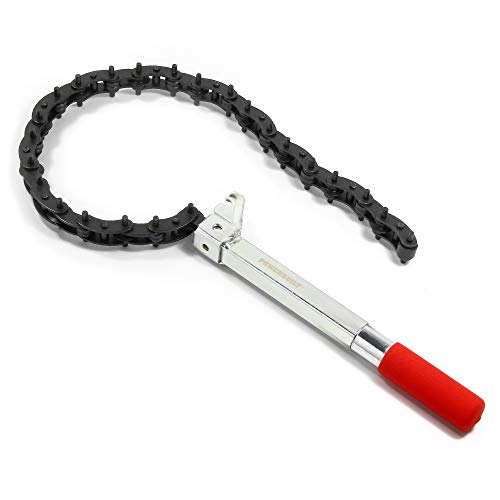
The Powerbuilt Tail Pipe Cutter is designed for cutting exhaust pipes from 3-1/2″ to 6″ in diameter, enabling work in restricted spaces where a full-size saw cannot operate. With 12 cutting teeth, it aims to deliver clean, square cuts with minimal effort. This unit targets larger-diameter exhaust segments rather than small-diameter tailpipes, making it a specialized tool for certain vehicle configurations or after-market exhaust work.
Operational guidance emphasizes steady, even application and ensuring the tool is properly aligned with the pipe axis. The tool’s heavy-duty construction supports repeated use in professional settings, but users should verify compatibility with their specific vehicle model and ensure sufficient clearance for maneuvering the cutter around the pipe.
ZJMCAJY Exhaust Pipe Cutter Tool

The ZJMCAJY Exhaust Pipe Cutter Tool emphasizes a nonslip handle design for improved control during cutting. Its one-handed operation and compact profile suit tight spaces frequently found under vehicles. The cutter is designed to wrap around exhaust tubing in the 0.75″ to 3.25″ diameter range and advance the cut with a controlled chain rotation. This makes it a practical choice for quick tailpipe adjustments or mid-pipe work in garages and shops.
As with similar tools, maintaining blade sharpness and preventing slippage during rotation are essential for clean results. The cutter’s efficiency depends on proper pipe preparation and ensuring the chain seating is snug before applying force. For best outcomes, users should test fit on scrap sections when possible and observe safety practices to avoid kickback or binding.
Buying Guide: Key Purchase Considerations
Choosing the right catalytic converter cutter involves balancing range, ergonomics, and space constraints. Consider the following factors to ensure a fit for your vehicle and task:
- Diameter range: Verify the cutter’s stated range (often 0.6″–3.3″ or 3.5″–6″) to ensure it covers your exhaust piping. If you work on multiple vehicles, look for models with broader compatibility.
- Material compatibility: Most cutters are designed for copper, low-carbon steel, PPR, or stainless steel. Some models explicitly exclude stainless steel; select accordingly for your project materials.
- Cutting mechanism: Chain cutters (wrap-and-cut) excel in tight spaces, while rolling-blade designs can deliver quick, straight cuts on standard pipes. Consider where you work most often—under chassis or in a shop bay.
- Ergonomics and comfort: Cushioned or non-slip handles reduce fatigue, especially on longer jobs. One-handed operation is a common plus for cramped spaces.
- Portability and storage: Compact cutters are easier to store and transport. If you travel between jobs, lighter models may be advantageous.
- Maintenance: Blade wear, rust prevention, and cleaning after cutting extend tool life. Look for alternatives with replaceable blades or wheels when possible.
- Safety: Ensure the cutter’s chain or blade remains aligned with the pipe axis to avoid jagged cuts. Wear eye protection and gloves during operation.
- Warranty and support: A comprehensive warranty and ready access to replacement parts can be valuable for professional use.
Other considerations include noise levels, presence of deburring tools, and compatibility with other exhaust components like clamps and shields. For users dealing with theft risk or aftermarket security concerns, separate protective accessories exist to deter theft around catalytic converters, though these are not substitutes for proper cutting tools.