Choosing the right caution light for a truck involves balancing brightness, reliability, and ease of installation. The options below focus on rooftop strobe bars and beacons designed for heavy vehicles, snow plows, and construction equipment. Each selection prioritizes high visibility, weather resistance, and flexible flashing patterns, helping drivers stay noticeable in daylight and at night. This guide highlights five strong choices with durable builds, magnetic bases, and versatile power options for 12–24V systems. Read on to compare key features and find the best match for your truck’s needs.
| Product | Brand | Key Strength | Notes |
|---|---|---|---|
| ASPL Upgraded 48LED Roof Top Strobe Lights | ASPL | Bright 48 LEDs, durable, long cable | Magnetic base, memory pattern |
| ASPL 16.5 Inch Roof Top Beacon | ASPL | 56 LEDs, long reach | 20 patterns, classic roof bar |
| LUMENIX 56 LED Roof Top Strobe Beacon | LUMENIX | 56 LEDs, high brightness | Low profile, cigarette lighter adapter |
| ASPL 2pcs 48LED Roof Top Strobe Lights | ASPL | Dual-pack, easy install | Same features as single unit |
| ASPL 38.5″ 78 LED Strobe Light Bar | ASPL | 78 LEDs, front & back illumination | Magnetic base, 20 patterns |
ASPL Upgraded 48LED Roof Top Strobe Lights
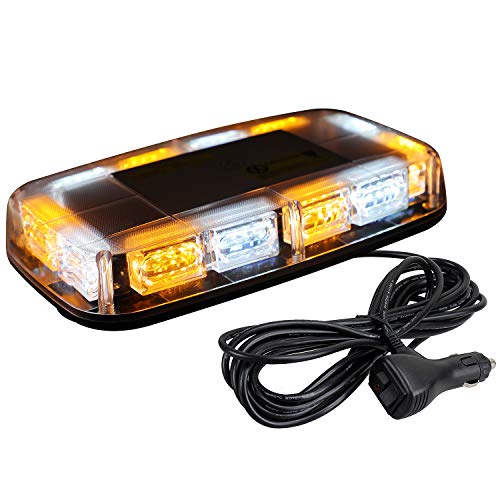
This roof-mounted strobe light bar uses 48 high-intensity LEDs with magnifying lenses to maximize output. The upgraded materials improve waterproofing, cabling, and magnet strength, delivering a durable option for trucks and construction vehicles. The 16.4 ft cable and 12-24V plug-and-play design allow flexible installation across the vehicle roof without roof damage. It features two switches with 16 flash patterns and a memory function to recall the last-used setting. This model emphasizes reliability in adverse weather while ensuring strong visibility for surrounding drivers.
ASPL 16.5 Inch Roof Top Beacon Emergency Strobe Light

This 16.5-inch beacon features 56 high-intensity LEDs with TIR optic lenses, delivering up to 200% brighter output than standard bars and visibility beyond 2000 feet. It is designed for broad use across emergency, utility, and construction contexts, though the magnetic base is not suited for aluminum bodies. With 20 flash patterns and a memory function, operators can tailor warnings to the situation, making it a versatile choice for longer routes or high-traffic work zones.
ASPL 2pcs 48LED Roof Top Strobe Lights
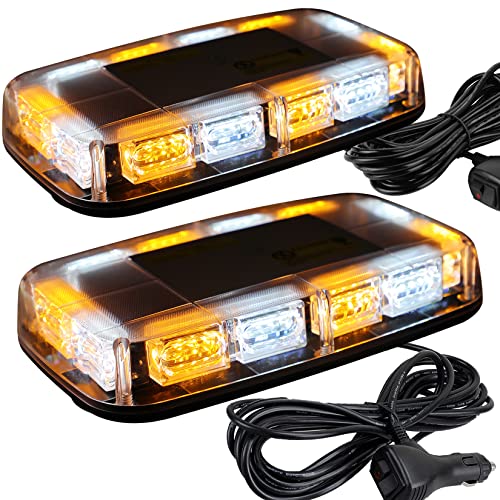
This two-pack matches the single-unit design with 48 LEDs, robust magnet mounts, and a 16.4 ft cable. The setup supports quick, roof-safe installation and includes 12-24V plug-and-play capability. It offers 16 flashing patterns with memory for the last-used configuration, ensuring teams can deploy warning signals quickly when multiple vehicles operate in tandem or in close proximity at worksites or during snow removal tasks.
ASPL 38.5″ 78 LED Strobe Light Bar

This long-bar option features 78 LEDs split across six LED groups on the front and back, delivering front-to-rear visibility for broad coverage. The four-magnet base provides reinforcement for secure attachment on larger roofs, and its 16.4 ft cable with a 12-24V plug-and-play system supports flexible mounting. It includes 20 patterns and a memory recall feature, enabling drivers to select steady, fast, or synchronized flashing as needed for different work scenarios or weather conditions.
Buying Guide: Key Purchase Considerations
- Brightness and coverage: More LEDs and optical lenses generally translate to higher visibility. Consider the working environment—daylight readability and distance visibility are critical for trucks operating on highways or in snowy conditions.
- Power and compatibility: Most rooftop bars run on 12–24V DC. Ensure the model’s voltage matches your vehicle’s electrical system and that the cable length is sufficient for a clean, safe installation.
- Mounting method: Magnetic bases offer quick installation but may be less secure on rugged roofs; multiple magnets and rubber suction cups can improve stability. Verify compatibility with your vehicle’s body material (e.g., aluminum vs. steel).
- Pattern variety and memory: A broad range of flashing patterns helps tailor signaling to different situations. Memory recall saves the last-used pattern for quick reactivation after power cycling.
- Durability and weather resistance: Look for IP-rated waterproofing, rugged housings, and scratch-resistant lenses. This reduces maintenance in harsh conditions like rain, snow, or dust.
- Maintenance and service: Consider products with replaceable LEDs or modular components, and check warranty terms for long-term reliability on fleet vehicles.
- Usage constraints: Some models note limitations with aluminum bodies. Confirm base compatibility with your vehicle’s body material, and ensure legal compliance with local regulations on warning lights for emergency and construction use.
- Cost of ownership: While higher-brightness bars can be more expensive upfront, their durability and low maintenance can reduce total ownership costs over time.
Comparative Considerations For Fleet Use
- Single-unit bars vs. multi-pack sets: Single bars are ideal for primary signaling, while multi-pack offers coverage redundancy for extended vehicles or fleets needing multiple alert points.
- Front-and-back signaling: Bars with dual-sided LEDs provide comprehensive visibility for oncoming traffic and tailing drivers, which is beneficial in narrow road conditions and work zones.
- Daytime visibility: Some models advertise 2000+ feet of visibility, which can significantly improve safety in bright daylight or high-speed traffic.
- Pattern selection: More patterns allow compliance with different site regulations and rider safety standards; consider whether you need dedicated traffic patterns or general warning modes.
- Weight and roof load: Heavier bars may impact fuel economy or roof integrity on older trucks. Check the weight of the bar and mounting hardware when planning installation on lighter vehicles.