Corrosion inhibitors for cars help protect metal components from rust, moisture, and salt exposure. The right product can extend battery life, electrical reliability, and the longevity of under-hood parts. Below are five proven options chosen for effectiveness, user practicality, and broad automotive relevance. A quick summary table follows to help you compare at a glance.
| Product | Brand | Key Benefit |
|---|---|---|
| WD-40 Specialist Corrosion Inhibitor | WD-40 Specialist | Long-lasting indoor/outdoor protection, precision spray |
| STA-BIL Rust Stopper | STA-BIL | Stops rust on exposed metal and protects battery terminals |
| CorrosionX Rust Inhibitor (6 oz) | CorrosionX | Moisture-blocking barrier with deep penetration |
| CRC 06026 Heavy Duty Corrosion Inhibitor (10 oz, 4 pack) | CRC | Long-term protection for electricals, engine components, fasteners |
| NOCO NCP2 A202 12.25 oz | NOCO | Oil-based protective grease for battery corrosion prevention |
WD-40 Specialist Corrosion Inhibitor

WD-40 Specialist Corrosion Inhibitor coats metal parts to lubricate and protect against rust by blocking air and moisture. It can protect for up to two years when used indoors and about one year outdoors. The product is suited for preventative maintenance or protection in corrosive environments such as high humidity, heat, or cold conditions. A precision straw enables controlled application, and the can stores securely with the notched cap.
STA-BIL Rust Stopper
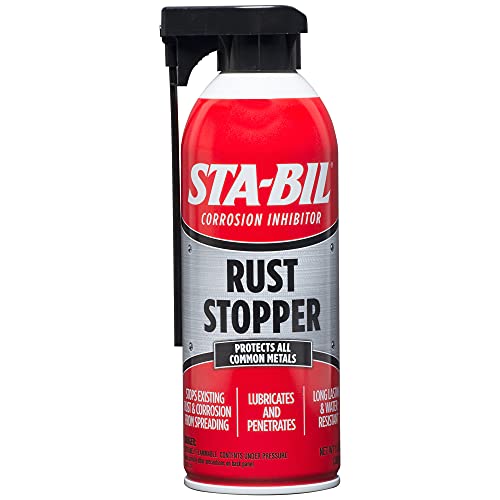
STA-BIL Rust Stopper acts as a corrosion inhibitor that fights rust formation on exposed or painted metal surfaces, leaving a protective layer. It also serves as a Battery Terminal Protector Spray to shield electrical and metal components from corrosion. The formula offers water resistance, helping prevent erosion and reducing squeaking or sticking in damp or exposed environments.
CorrosionX Rust Inhibitor (6 oz)

CorrosionX builds a lasting moisture-blocking dielectric barrier that bonds to metal surfaces and subsurfaces, providing protection for trailers, marine gear, or tools stored in salt-heavy, humid environments. It delivers long-lasting marine-grade lubrication, clinging to metal and resisting washout, ideal for hinges, locks, and heavy-use marine components. It also features penetrating properties to free rusted parts when other products fail.
CRC 06026 Heavy Duty Corrosion Inhibitor (10 oz)
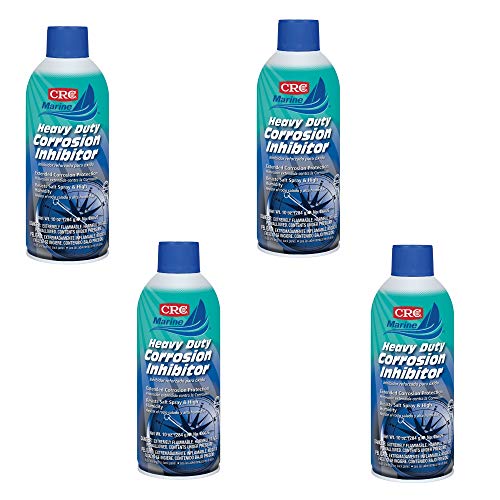
CRC 06026 provides protective coating for metal surfaces, electrical connections, and engine components subject to salt spray and high humidity. This long-term, flexible inhibitor preserves metal surfaces, upholding protection for fasteners, motors, shafts, spindles, and steering and throttle linkages. It is designed for both indoor and outdoor use, offering broad corrosion resistance.
NOCO NCP2 A202 12.25 Oz

NOCO NCP2 A202 is an oil-based corrosion preventative and battery terminal protector grease spray. It creates an impenetrable barrier against corrosion-causing acid fumes and resist moisture, vibration, and shock. The oil-based formula remains active over time, helping to maintain clean electrical connections and improved starting performance by reducing corrosion at battery terminals.
Buying Guide: Key Purchase Considerations
- Application environment: Indoor use generally requires longer-lasting protection, while outdoor or marine settings demand moisture and salt resistance.
- Film type: Liquid sprays with precision straws work well for small parts; thick gels or pastes can be better for battery terminals or larger connections.
- Penetration vs. barrier: Some products penetrate existing rust to free parts, while others form a dielectric barrier to block moisture.
- Lubrication vs. protection: If movement and squeaks are a concern, select products that also lubricate hinges or latches in addition to corrosion protection.
- Electrical considerations: For electrical connections, dielectric or non-conductive formulas help prevent shorts while inhibiting corrosion.
- Durability: Look for long-lasting protection claims, especially if the vehicle experiences harsh winters or coastal humidity.
- Maintenance needs: Some products require reapplication after exposure to water or heat, while others offer multi-year indoor protection.
- Safety and compatibility: Confirm compatibility with rubber seals and plastics; avoid products that could degrade non-metal components.
When selecting a corrosion inhibitor for cars, consider whether you need barrier protection for chassis and fasteners, or dielectric lubrication for electrical components. For battery terminals and electrical connections, oil-based or dielectric formulations can reduce corrosion without sacrificing conductivity. For exposed metal parts, a robust, long-lasting spray that adheres to vertical surfaces and resists washout is advantageous. Weigh the balance between ease of application, coverage area, and the specific environmental conditions your vehicle encounters most.