Diesel engines can benefit from proven stop-leak products that renew seals, reduce oil consumption, and curb leaks. This guide highlights five effective options commonly used to address engine oil leaks in diesel and gasoline engines alike. Each product is evaluated based on seal restoration, ease of use, and compatibility with various oil types. The selections below reflect a range of formulations designed to seal leaks without major engine disassembly.
| Product | Brand | Size | Key Benefit |
|---|---|---|---|
| Lucas Oil 10278 Engine Oil Stop Leak | Lucas Oil | 1 Quart | Renews worn seals; reduces oil consumption |
| Bar’s Leaks OS-1 Oil Seal | Bar’s Leaks | 16.9 oz | Repairs leaks across main seals and valve seals |
| BlueDevil 49499 Oil Stop Leak | BlueDevil | 8 oz | Permanent seal; compatible with all engines |
| Lucas Oil 10279 Engine Oil Stop Leak | Lucas Oil | 1 Gallon | Supports various oil types; reduces consumption |
| Permatex 30302 Engine Oil Stop Leak | Permatex | 12 fl oz | Stops and prevents leaks; long-lasting seal |
Lucas Oil 10278 Engine Oil Stop Leak — 1 Quart

Lucas Oil 10278 is designed to work with petroleum, semi-synthetic, and fully synthetic oils. It aims to renew worn seals with minimal risk of corrosion or damage while reducing engine noise and oil consumption. The product is positioned as a compatible solution for engines experiencing minor oil leaks and elevated oil usage, with a goal of restoring proper oil pressure.
Bar’s Leaks OS-1 Oil Seal Engine Oil Burning and Leak Repair

Bar’s Leaks OS-1 targets multiple leak sources, including main seals, gaskets, and worn valve seals. It supports a broad range of gasoline and diesel engines, including turbocharged and EcoBoost variants. The formula is designed to reduce oil consumption when leaks are modest and driven by seal wear, with suitability for a variety of vehicle types from everyday cars to light trucks.
BlueDevil 49499 Oil Stop Leak

BlueDevil Engine Oil Stop Leak is positioned for easy use and permanent sealing of leaks. It is designed to work with all types of engines, including diesel and gasoline, and aims to seal seepage or drips in the crankcase. The product emphasizes a lasting seal that resists recurrence after miles of driving, reducing the need for further interventions.
Lucas Oil 10279 Engine Oil Stop Leak — 1 Gallon
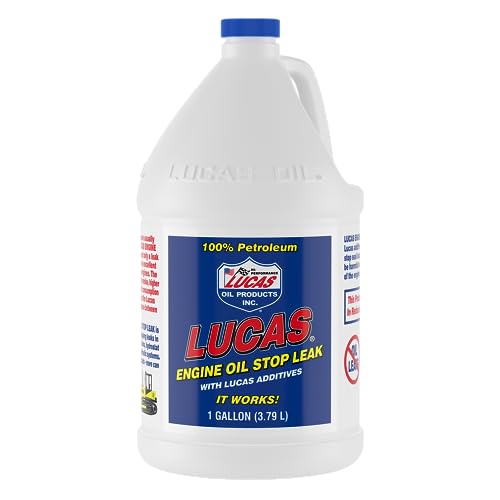
This Lucas Oil formulation is compatible with petroleum, semi-synthetic, and full synthetic oils. It contains no harmful solvents and is designed to reduce engine noise and oil consumption while raising oil pressure. The gallon size is suited for larger reservoirs or for vehicle fleets seeking a longer-lasting supply of stop-leak treatment.
Permatex 30302 Engine Oil Stop Leak

Permatex 30302 is a cost-effective solution designed to stop and prevent engine oil leaks in gasoline and diesel four-stroke engines. It aims to provide a long-lasting seal, reduce blow-by, and revitalizes rubber and neoprene seals and O-rings, helping maintain a smooth ride without engine disassembly.
Buying Guide
- Engine type and oil compatibility: Verify whether the stop-leak product supports diesel engines and the oil type in use (petroleum, semi-synthetic, or full synthetic) to ensure proper performance.
- Leak severity and seal condition: For minor seepage from worn seals, stop-leak treatments can be effective. For major leaks, professional inspection and repair may be required.
- Seal materials: Some formulas target rear main seals, valve seals, or crankcase gaskets differently. Choose a product aligned with the suspected leak source.
- Ease of use and vehicle type: Consider whether the product is designed for all engines or specific engine configurations (turbocharged, EcoBoost, etc.).
- Maintenance implications: Repeated use may mask leaks temporarily. Monitor oil levels and engine performance, and plan long-term repairs if leaks persist.
- Durability and compatibility: Look for long-lasting seals and compatibility with diesel engines, avoiding additives that could harm aluminum components or seals.
These options provide a spectrum of approaches—from quick, easy seals to more durable restoration formulations. Always follow the manufacturer’s instructions and consider seeking professional advice for persistent or high-volume leaks.