The right dirt jump tire can dramatically improve grip, stability, and control on BMX tracks, dirt jumps, and off-road trails. Below is a curated set of five high-performance tires from trusted brands, each with a quick look at its strengths and what riders should consider when choosing. This guide helps riders balance traction, weight, durability, and rolling resistance for dirt jump use.
Summary of Selected Products
- Maxxis MaxxDaddy – 20×2.00 – Excellent traction on BMX tracks, trails, and dirt jumps
- Tusk EMEX T-35 – Front/Rear dirt bike tire set for soft to intermediate terrain
- Michelin Pilot Slope Dirt Jump – 26×2.25 folding, tubeless ready
- Maxxis DTH – 26×2.15 grooved slick, BMX and dirt jumping
- Maxxis DTH – 26×2.30 wire bead, single compound, dirt jumping
Maxxis MaxxDaddy 20×2.00 Dirt Jump Tire

The Maxxis MaxxDaddy provides reliable traction across BMX tracks, dirt trails, and jumps. It uses a single compound throughout the tread for consistent grip and wear characteristics, which helps reduce unpredictable handling in variable dirt conditions. A one-year manufacturer’s warranty adds a level of assurance for riders who push limits on rough terrain. The tire’s feel aims to balance good bite with predictable cornering on loose soil and compact dirt alike.
Tusk EMEX T-35 Dirt Bike Front/Rear Tire Set
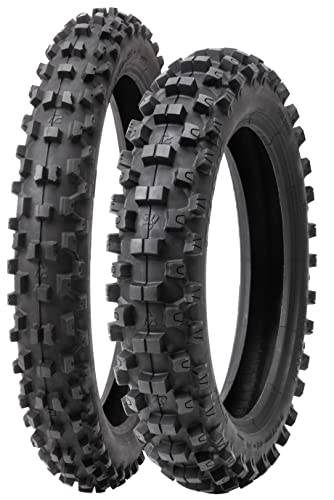
This complete front and rear tire set is designed for off-road performance on soft to intermediate terrain. The aggressive deep tread pattern delivers reliable traction on loose dirt, sand, loam, and mixed trails, while a durable rubber compound emphasizes long-lasting off-road use. Tube-type construction provides straightforward mounting for riders who prefer traditional setups on pit bikes or entry-level dirt bikes. This option suits riders seeking a robust, all-around dirt-ready configuration.
Michelin Pilot Slope Dirt Jump Tire (26”x2.25)
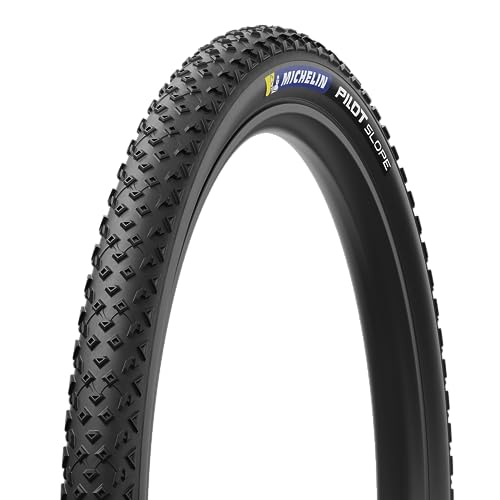
The Pilot Slope combines an optimized rubber compound with a tubeless-ready folding design to improve rolling efficiency and reduce weight. This tire targets BMX street, dirt jumping, and aggressive dirt riding, offering a durable tread pattern for maximum grip on rocky and uneven terrain. The 26×2.25 size is versatile for a range of BMX and mountain bikes, pairing strong traction with a compact, aggressive profile suitable for jumps and stunts.
Maxxis DTH 26×2.15 Grooved Slick

The Maxxis DTH (Drop the Hammer) features a grooved slick tread designed for BMX and dirt jumping. It is a single compound tire with a focus on direct traction and predictable handling across pump tracks and dirt sections. A solid choice for riders who want a consistent, tight feel and reliable grip during aerial approaches and landing zones. The DTH is available in several widths to accommodate different wheel setups and rider preferences.
Maxxis DTH 26×2.30 – Wire Bead, Single Compound
This variant of the DTH uses a wire bead and a single compound tread for rugged dirt jump and BMX use. The larger 2.30-inch width provides extra stability and grip in looser dirt or loose gravel, while maintaining the same grooved slick profile that riders rely on for smooth, predictable turns and landings. A dependable option for riders seeking extra width without sacrificing the DTH’s characteristic cornering feel.
Buying Guide: Dirt Jump Tire Shopping Considerations
Selecting the right dirt jump tire involves weighing several factors that affect performance on BMX tracks, dirt jumps, and mixed off-road terrain. The following perspectives cover common rider priorities and how they translate into tire choices.
- Tread design and terrain compatibility
- Rubber compound and wear characteristics
- tire width and bead type
- Tubeless readiness and setup
- Weight, rolling resistance, and acceleration
Tread design matters for bite and cornering on loose soil versus compact dirt. Grooved or slick profiles tend to provide predictable grip for jumps and pump tracks, while deeper, aggressive patterns excel in loose loam. For mixed trails, a versatile tread pattern that balances traction with durability is ideal. Consider the typical dirt conditions you ride most often and choose a tire whose tread aligns with that workload.
Rubber compound affects grip and wear. A single compound offers consistent performance and simpler maintenance, while multiple compounds can tailor grip to specific conditions (soft, medium, or hard surfaces). If you ride frequently in rough or abrasive terrain, prioritize a durable compound with good puncture resistance. For riders who value low rolling resistance for speed on flat sections, a lighter compound may be preferable.
Width and bead type influence stability and compatibility with rims. Wider tires provide more contact with the ground for grip and stability, especially on loose dirt, but can increase weight and rolling resistance. Bead types (folding vs. wire) impact setup ease and tubeless conversion options. Folding beads typically allow for lighter tires and easier seating, while wire beads can be robust and affordable, though heavier to mount.
Tubeless readiness reduces pinch flats and can improve traction by allowing lower pressures. If tubeless setup is practical on your bike, a tubeless-ready tire can be a valuable upgrade. However, tube-type tires remain reliable and straightforward for riders who prefer a simpler plug-and-play approach or ride bikes that are not tubeless-ready.
Weight and rolling resistance influence acceleration, speed, and the effort required to maintain momentum through jumps and berms. For dirt jump riders, a balance between weight and grip is key. Lighter tires favor quick handling and faster accelerations, but may wear faster or provide less puncture protection. A slightly heavier tire with robust tread can offer longer life and more confidence on rough landings.
End-user considerations include local riding style, bike compatibility, and maintenance habits. Riders who frequently switch between park BMX and off-road dirt jumps may benefit from a versatile tire like a grooved slick or a mid-depth tread that remains stable across varied surfaces. Always verify sizing and rim compatibility before purchasing, and check local terrain profiles to tailor your selection to real-world riding conditions.