When engine leaks threaten performance and oil efficiency, a trusted engine leak sealer can offer a practical, temporary fix while you plan a longer-term repair. The options listed below cover a range of engine seals, from valve seals to rear main leaks, and are paired with substantial compatibility notes to help you choose confidently. Below is a quick overview of five top picks and what they’re best at.
| Product | Brand | Type / Use | Key Benefit |
|---|---|---|---|
| Lucas Oil 10278 Engine Oil Stop Leak | Lucas Oil | Oil stop leak additive | Compatible with various oils; reduces oil consumption |
| ATP Automotive AT-205 Re-Seal Stops Leaks | ATP Automotive | Fast-acting seal resealer | Rejuvenates seals & gaskets across systems |
| Bar’s Leaks OS-1 Oil Seal Engine Oil Burning & Leak Repair | Bar’s Leaks | Seal restoration for engines | Addresses leaks and helps prevent oil burning |
| Bar’s Leaks 1000 High Mileage Engine Repair | Bar’s Leaks | High-mileage engine repair | Restores compression and reduces leakage |
| Bar’s Leaks Rear Main Seal Repair | Bar’s Leaks | Rear main seal leakage control | Specifically targets rear main seals |
Lucas Oil 10278 Engine Oil Stop Leak – 1 Quart

Lucas Oil 10278 is a reputable engine oil stop leak designed to work with conventional and synthetic motor oils. It aims to reduce oil consumption by conditioning seals and gaskets, potentially lowering oil loss and minimizing burn-off. The product emphasizes compatibility and broad use across typical automotive engines, making it a practical first option for light to moderate leaks in everyday vehicles. Its formulation focuses on sealing ability while maintaining oil pressure and lubrication quality. Always follow the packaging instructions for dosage and usage intervals to maximize effectiveness.
ATP Automotive AT-205 Re-Seal Stops Leaks, 8 Ounce Bottle

ATP Automotive AT-205 Re-Seal Stops Leaks offers a professional-strength, fast-acting resealer designed to rejuvenate rubber seals and gaskets across engines, transmissions, power steering, differentials, and hydraulic systems. It is compatible with conventional and synthetic oils, ATF, gear oil, power steering fluids, and hydraulic oil. This versatility makes it a popular choice when leaks originate from multiple seals or when seals may be aging and brittle. While highly effective for many leak scenarios, verify compatibility with your specific oil and system before use and apply as directed for best results.
Bar’s Leaks OS-1 Oil Seal Engine Oil Burning and Leak Repair

Bar’s Leaks OS-1 is designed to address leaking main seals and gaskets in a wide range of engines, including turbocharged and hybrid configurations. It also aims to renew worn valve seals and guides and can reduce oil burning and blue exhaust smoke. It’s marketed for use in various cylinder counts, from small cars to heavier-duty applications. As with all leak sealants, outcomes depend on seal condition, engine type, and dosage, so follow product directions carefully and consider combining with proper maintenance for persistent issues.
Bar’s Leaks 1000 High Mileage Engine Repair
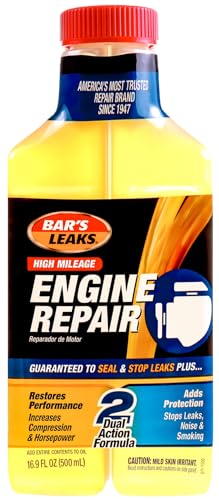
Bar’s Leaks 1000 High Mileage Engine Repair targets engines with extensive wear. It combines additives intended to restore compression, reduce oil consumption, and lower noise while improving the performance of worn components such as cylinders, rings, bearings, and seals. It also claims to stop leaks and smoking, offering a broad solution for aging engines. Users should assess the vehicle’s mileage and history, ensure oil type compatibility, and monitor performance after application to determine if a more permanent repair is needed.
Bar’s Leaks Rear Main Seal Repair
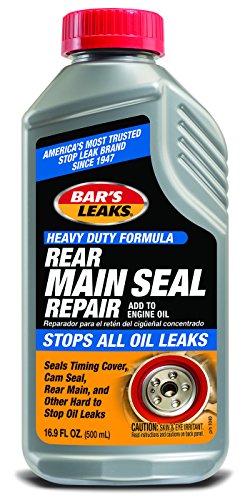
Bar’s Leaks Rear Main Seal Repair focuses on sealing rear main leaks, a common and challenging issue in many engines. While designed to be added to the engine oil, it also claims effectiveness on other leaks, making it a targeted option for rear main seals without requiring invasive repairs. As with other sealants, effectiveness depends on seal condition, engine design, and correct dosage. Pair with routine maintenance and inspect engine oil level to gauge ongoing leak status after treatment.
Buying Guide: Key Purchase Considerations For Engine Leak Sealers
- Leak location and severity: Determine whether the leak is minor oil seepage, burning oil, or a more significant seal failure. This helps select a product that targets the right seal area (valve seals, rear main, gaskets, etc.).
- Oil compatibility: Check whether the sealer is compatible with your oil type (conventional, synthetic, or semi-synthetic). Some formulas are designed for broad compatibility, while others are optimized for specific oils.
- Engine type and mileage: High-mileage engines or turbocharged configurations may respond differently. Products marketed for high-mileage engines can help seals and reduce oil consumption in aging engines.
- Application method and dosage: Follow label instructions for dosage and application timing. Some sealers require engine off/on cycles, while others operate with the engine running at a certain rpm range.
- Longevity and expectations: Sealers often offer temporary remediation. Plan for a definitive repair if leaks recur or if performance degrades, as permanent fixes may require gasket or seal replacement.
- Potential side effects: Some sealers can alter oil viscosity or interact with other additives. Consider reducing or avoiding additional additives during the treatment period, and consult professional guidance if in doubt.
- Maintenance integration: Use stop-leak products as part of a broader maintenance plan, including regular oil changes, filter replacement, and system inspections to prevent future leaks.
- Vehicle and warranty implications: Some manufacturers discourage sealants for certain engines or warranties. Verify compatibility with your vehicle’s warranty or service plan if applicable.
Engine leak sealers provide a practical, non-invasive option to manage leaks, especially for older or high-mileage engines. Selecting a product that aligns with your leak type, oil choice, and vehicle specifications increases the likelihood of a favorable outcome. Always monitor oil levels, engine temperature, and exhaust as you apply a sealer, and seek professional assessment if leaks persist after treatment.