Introduction
Choosing the right external or inline fuel pump is critical for LS swap projects, balancing fuel pressure, flow, and reliability. The following five products are among the most compatible with LS-based engines and EFI conversions, delivering steady pressure around 58 PSI and high flow rates to support performance upgrades. The list highlights regulators, built‑in filters, and robust fittings to simplify installation. Use the quick reference table below to compare core specs at a glance.
| Product | Regulator Type | Max Flow (LPH) | Operating Pressure | |
|---|---|---|---|---|
| Yinlowa GSL392 Inline | 58 PSI regulator | 255 | 58 PSI | 6AN |
| EVIL ENERGY LS Swap | 58 PSI regulator | 300 | 75 PSI | 6AN PTFE |
| Walbro GSL392-400-939 | Inline pump + kit | 255 | — | Inline kit |
| Dasbecan GSL392 Kit | 58 PSI regulator | 255 | 58 PSI | 6AN |
| SPBREW External Inline | Flow range regulator | 405 | 43–115 PSI | 60mm bracket |
Yinlowa GSL392 Inline Fuel Pump & Regulator

The Yinlowa GSL392 package combines an inline 58 PSI fuel pressure regulator with a 255 LPH high‑pressure pump for LS swap EFI systems. It includes 6AN adapter fittings to support LS-based engines and a 10‑micron fuel filter to protect the fuel rail and injectors. This setup is designed to maintain stable pressure and minimize fuel delivery inconsistencies under turbo or naturally aspirated high‑demand scenarios.
EVIL ENERGY LS Swap Regulator With High-Flow Pump
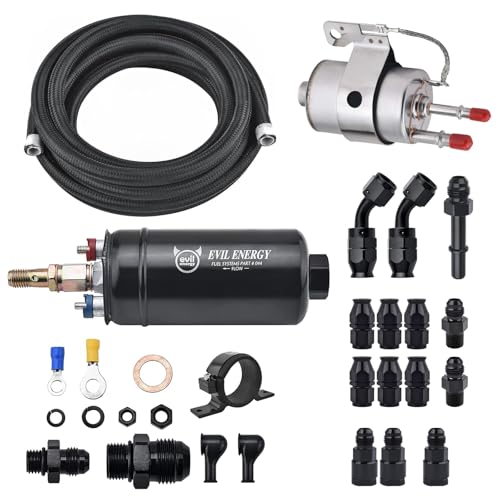
EVIL ENERGY offers a 58 PSI regulator paired with a 6AN PTFE hose kit and a 300 LPH external pump. The kit supports fuel integrity and reliability across LS V8 engines from 4.8L to 6.0L, accommodating modern EFI systems and various fuel types. The regulator integrates a built‑in 10‑micron filter to help keep contaminants out of the fuel rail, contributing to longer engine life and steadier ignition performance.
Walbro GSL392-400-939 With Install Kit
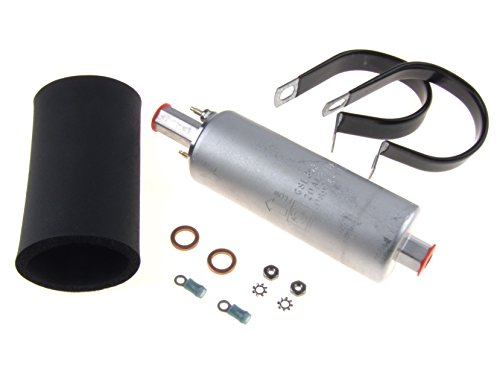
Walbro’s GSL392 inline pump kit is a universal 255 LPH solution packaged with an install kit for straightforward mounting in EFI applications. While primarily marketed for LS‑swap readiness, it’s designed to provide consistent fuel flow under boost and high‑RPM conditions. The kit approach simplifies wiring and mounting, making it a practical upgrade for drivers pursuing reliable fuel supply in performance builds.
Dasbecan GSL392 255LPH Inline Fuel Pump & Regulator Kit

Dasbecan’s kit is positioned as a direct replacement for GSL392-400-939, combining a 255 LPH inline pump with a 58 PSI regulator. It includes necessary 6AN fittings and mounting hardware for LS‑based EFI conversions. The kit targets compatibility with common LS engines in the 1999–2014 generation and supports turbo or supercharged setups by delivering solid pressure and steady fuel delivery.
SPBREW External Inline Fuel Pump Kit

SPBREW’s inline fuel pump delivers up to 405 LPH with a high‑pressure capability and an operating range from 43 PSI through 115 PSI. The kit includes flexible adapter fittings to suit different fuel lines, making it adaptable for LS EFI conversions requiring precise delivery at multiple pressure points. Its design supports high horsepower applications by maintaining stable fuel volume across varied throttle demands.
Buying Guide
- Fuel pressure and flow: For LS swaps with EFI, aim for regulators around 58 PSI and pumps in the 255–300 LPH range to ensure reliable rail pressure during high‑RPM or turbocharged use.
- Regulator filtration: A built‑in or included 10‑micron filter helps prevent injector clogging and reduces contaminants reaching the engine. Ensure the kit includes a regulator and filtration stage compatible with 6AN lines.
- Fittings and hoses: Check that the kit uses standard LS‑swap fittings (6AN, AN‑6) and comes with adapters compatible with your fuel lines. PTFE hoses offer improved chemical resistance for modern fuels.
- Compatibility: Verify engine family and generation match (LS1/LS3/LS-based engines from 1999–2014) and ensure the pump is suitable for turbo or naturally aspirated builds.
- Installation footprint: Consider the mounting location (engine bay vs. undercarriage) and the bracket size. A 60mm bracket is common for inline pumps and facilitates secure mounting.
- Voltage and electrical: Most external pumps run on 12V. Confirm current draw (amps) aligns with your wiring harness and protection (fusing) plan to avoid battery or wiring stress.
- Longevity and materials: PTFE-lined hoses and corrosion‑resistant fittings extend life in demanding environments. Choose kits with durable housings and corrosion‑resistant components for long‑term use.
- Regulatory and warranty: Review warranty terms and return policies, especially for a vehicle swap where compatibility can vary by model year and engine variant.
How To Choose For Your LS Swap
When selecting an external or inline fuel pump for an LS swap, balance price against reliability, filtration, and ease of installation. If you plan turbocharging or high‑RPM operation, prioritize pumps with higher flow at elevated pressures and a regulator that maintains steady rail pressure. For street performance with modest boost, a 58 PSI regulator paired with a 255 LPH pump offers solid baseline capability with simpler wiring and mounting. Finally, ensure the kit includes necessary fittings and a filter to protect fuel injectors and the engine over time.