Finding the right floor insulation for your car can dramatically reduce road noise, block heat from the engine bay, and improve overall comfort. This guide highlights five high-performing options suitable for DIY installation, focusing on closed-cell foams, aluminum-faced liners, and popular butyl-based sheets. Each product is evaluated for heat blocking, moisture resistance, and ease of installation to help you choose the best fit for your vehicle.
| Product | Brand | Material | Coverage | |
|---|---|---|---|---|
| Siless Liner 157 (4 mm) 36 sqft | Siless | Closed-cell PE foam | 36 sq ft | 4 mm |
| Siless Liner 157 mil with Aluminum Finish | Siless | AluFoil foil on closed-cell PE foam | 36 sq ft | 157 mil |
| Dynamat Xtreme Tech Pack | Dynamat | Butyl with foil | 28 sq ft total | — |
| KILMAT 80 mil 36 sqft | KILMAT | Butyl with foil | 36 sq ft | 80 mil |
| KILMAT 80 mil 10 sqft | KILMAT | Butyl with foil | 10 sq ft | 80 mil |
Below are five top-rated options, chosen for their effectiveness, ease of installation, and value. Each entry includes practical notes on heat blocking, moisture resistance, and installation considerations to help you compare quickly.
Siless Liner 157 (4 mm) 36 Sqft
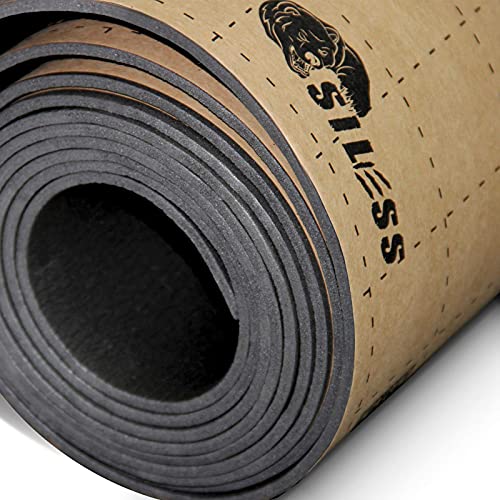
Siless Liner 157 uses a closed-cell polyethylene foam that is oil- and water-resistant, delivering both thermal insulation and a lightweight, flexible form. The adhesive layer aims to ensure strong bonding to vehicle floors, with properties that resist moisture and odor. It blocks radiant heat effectively, helping to keep the cabin cooler in hot climates and warmer in cooler seasons. The 4 mm thickness provides a balance between rigidity and conformability for irregular floor shapes. Ideal for DIY installations where cost per square foot matters.
Siless Liner 157 Mil With Aluminum Finish

This model uses an aluminum foil finish on the same closed-cell foam, offering an extra radiant heat barrier. The foil reflects heat away from the cabin, potentially reducing heat soak from engine and exhaust components. Like the non-aluminum variant, it’s designed to be adhesive-backed for easier installation and moisture resistance. It’s a strong option for riders seeking maximum heat reflection for hot climates without sacrificing light weight or flexibility.
Dynamat Xtreme Tech Pack

Dynamat Xtreme Tech Pack delivers sound deadening across multiple panels with a focus on reducing road noise and vibration. The kit includes several large sheets designed for doors, floors, and trunks, making it a go-to for comprehensive soundproofing. The product is backed by a long history of professional and enthusiast use, which can influence installation confidence and expected performance. This option is well-suited for drivers seeking a proven solution for quieting doors and floor panels alike.
KILMAT 80 Mil 36 Sqft

KILMAT 80 mil sheets provide thicker, heavier duty insulation with self-adhesive backing. The 80 mil thickness aims to enhance sound dampening and heat reduction, especially in larger areas like floors and doors. The formulation emphasizes ease of cutting and shaping to fit irregular floor contours, making it a practical option for DIY enthusiasts who want strong performance without a complex installation process. Weight and thickness are designed to optimize transmission loss for a noticeable decrease in cabin noise.
KILMAT 80 Mil 10 Sqft

This smaller KILMAT kit provides 80 mil insulation across a 10 sq ft area, ideal for targeting hot spots or small sections of the floor that accumulate heat and noise. Its self-adhesive backing allows straightforward application, and the lighter footprint makes it easy to handle for solo installers. While coverage is limited, high-thickness material can deliver meaningful gains in localized insulation and quietness.
Buying Guide
- Material type and heat resistance: Closed-cell PE foam and aluminum-faced liners excel at moisture resistance and thermal barriers, while butyl-based products prioritize sound dampening and vibration control.
- Coverage and thickness: Larger sheets with greater thickness generally offer stronger heat blocking and noise reduction, but require more cutting and fitment work. Consider your vehicle’s floor layout and existing heat sources.
- Adhesion and installation: Self-adhesive options simplify DIY installs but may require surface prep. Ensure clean, dry floors and consider pressure rolling for better bonding.
- Moisture and odor: Look for products that resist moisture absorption and have low odor, especially for enclosed spaces like trunks or cabins with limited ventilation.
- Thermal vs. acoustic focus: If the primary goal is cabin cooling, prioritize heat blocking materials (AluFoil or high-performance closed-cell foam). For ride quietness, focus on high-damping butyl products.
- Vehicle compatibility: Larger vehicles or those with exposed underfloor cavities may benefit from multiple types of insulation in combination (e.g., heat barrier plus vibration deadener).
- Cost-to-performance: Compare price per square foot, taking into account thickness, adhesive quality, and ease of installation to determine value.
- Gender of project: For beginners, kits with pre-cut sheets and clear application instructions reduce complexity and install time.
All selections aim to balance heat rejection, moisture resistance, installation ease, and value for typical American consumer cars. When choosing, consider your climate, the parts of the floor you want to insulate (front foot wells, rear floor, trunk), and whether you also target doors or panels for maximum quietness.