For pickup owners looking to maximize range or free up cab space, upgrading to a larger or more versatile fuel tank can be a smart move. This guide highlights five reliable underbed and auxiliary tanks that fit common pickup configurations, focusing on capacity, build quality, and installation considerations. Each section includes a quick snapshot of the core features to help you compare options quickly.
style=”display:none;”>Summary Table
| Product | Brand | Capacity | Notes |
|---|---|---|---|
| Brothers C2022-67 Gas Tank Relocation Kit | Brothers | -20 Gallon | Underbed, side fill |
| RDS MFG INC 60-Gallon Tank | RDS MFG INC | 60 Gallon | Various dimensions; top-siphon fueling option |
| Better Built 36-Gallon Transfer Tank | Better Built | 36 Gallon | Built-in baffles; auto shutoff |
| RDS MFG INC 45 Gallon Auxiliary Tank | RDS MFG INC | 45 Gallon | Fully welded seams |
| TRQ 18.5 Gallon Tank | TRQ | 18.5 Gallon | Direct fit for several GM models |
Brothers C2022-67 Gas Tank Relocation Kit
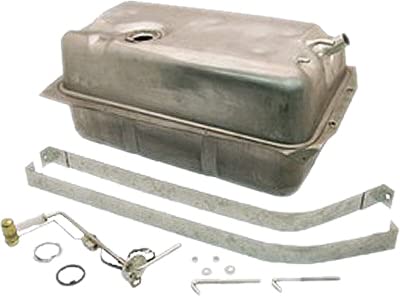
The Brothers C2022-67 underbed gas tank relocates the fuel reservoir out of the cab area, freeing interior space and potentially improving weight distribution. This 20-gallon side-fill configuration is designed for trucks that require a compact yet expanded fuel capacity. The kit uses a steel tank with a straightforward mounting scheme, emphasizing durability and an uncomplicated install for compatible truck models. Pros include easier access to fuel-fill points and reduced cab clutter; consider compatibility with bed height and existing lines before purchase.
RDS MFG INC 60-Gallon Tank

RDS MFG INC offers a range of tanks, including a 60-gallon option that supports extended range for long trips or work shifts. It accommodates various bed configurations, with notes indicating compatibility may depend on bed length. The product highlights gasoline fueling via top siphon when paired with an electric pump and emphasizes full-tank plumbing durability. Before purchasing, verify bed size, mounting hardware availability, and whether you need a top-fill or bottom-feed design to match your setup.
Better Built Transfer Tank 36-Gallon
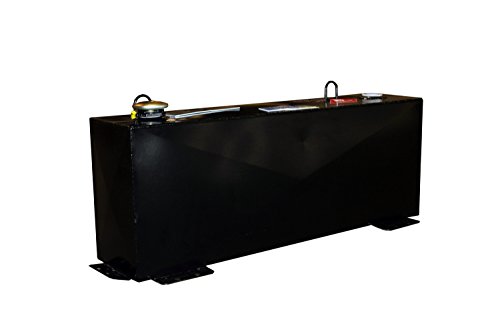
The 36-gallon Better Built steel transfer tank emphasizes reliability with a robust capacity and features a built-in overfill shutoff to prevent spills. Its baffles help keep contents stable during transport, reducing slosh and improving weight balance. Ideal for users needing a mid-range tank with enhanced safety and stability. As with all underbed tanks, ensure proper clearance for fuel lines and mounting brackets, and confirm compatibility with your pickup’s frame and bed rails.
RDS MFG INC 45 Gallon Auxiliary Tank

The RDS 45-gallon rectangular auxiliary tank is designed for reliable supplemental fueling, with fully welded seams for durability and a straightforward top-fill approach when paired with an electric pump. This option is suitable for drivers who want extra range without a dramatic increase in tank size. Before ordering, measure bed space and confirm top-fill clearance with other underbody components and any existing crossmembers or hardware.
TRQ 18.5 Gal Fuel Tank (Chevy/S10 Compatible)

The TRQ 18.5-gallon tank is tailored for specific GM models, offering a direct-fit, OE-replacement style to simplify installation and ensure compatibility with 1997–2002 Chevrolet S10, GMC Sonoma, and related trucks. While smaller than other options, it provides a cost-effective way to restore fuel capacity when a stock tank is degraded or missing. Fitment information in the listing is essential to confirm vehicle compatibility before purchase.
RDS MFG INC 51-Gallon Combo Tank
The RDS 51-gallon combo tank combines auxiliary fueling with a tool-ready design, presenting a versatile option for users wanting both fuel storage and utility capability. It emphasizes a robust construction and compatibility with a range of configurations. Pros include flexible capacity and integration with existing pump systems; however, you should verify space, mounting points, and top-fill arrangements for your truck’s undercarriage layout.
Buying Guide: Key Considerations For Picking A Pickup Bed Fuel Tank
- Capacity vs. space: Choose a tank size that provides meaningful range without interfering with components under the bed or rear axle clearance. Larger tanks can affect vehicle weight distribution and fuel delivery during turns.
- Mounting and fitment: Confirm bed length, rail spacing, and mounting hardware compatibility. Underbed kits often require brackets, straps, and sometimes crossmember modifications for a secure installation.
- Fill style and access: Side-fill, top-fill, or remote-fill designs influence ease of refueling and potential venting considerations. You may need extended hoses or specialized fills for accessibility.
- Fuel compatibility and safety: Ensure the tank supports your fuel type and has features like baffling to minimize fuel slosh and overfill protection to prevent spills during fueling.
- Electrical and pumps: Some systems require an inline pump or electric assistance for efficient transfer. Check electrical requirements, wiring harnesses, and fire safety considerations.
- Durability and construction: Steel tanks tend to be robust, while high-density polyethylene tanks offer corrosion resistance and lighter weight. Welded seams and protective coatings extend service life in rugged environments.
- Vehicle compatibility: Verify that the tank complements your pickup’s model year, bed dimensions, and any existing fuel lines or ventilation setups to prevent fit issues.
- Installation complexity: Some kits are “plug-and-play” with basic hand tools, while others require professional installation due to fuel system integration and safety codes.
In selecting a fuel tank for a pickup bed, balance capacity, installation effort, and long-term durability. Always consult the product’s fitment notes and your vehicle’s factory specifications to ensure a secure, compliant fit. This approach helps maximize range and reliability without compromising safety or warranty coverage.