Finding the right glass coating can help maintain crystal-clear visibility, resist water spots, and simplify cleaning. Below is a curated guide to five highly regarded options, based on durability, application ease, and real-world performance. The included buying guide covers key factors to consider for different climates and driving needs.
| Product | Brand | Type | Notes |
|---|---|---|---|
| Chemical Guys HydroView Ceramic Glass Cleaner and Coating | Chemical Guys | Hydrophobic ceramic glass cleaner/coating | One-step cleaner and protective coating; improves visibility in wet weather |
| CERAKOTE Ceramic Glass Coat Protectant | CERAKOTE | Ceramic glass coating | Long-lasting, easy DIY application; strong rain repellency |
| Adam’s Polishes Graphene Glass Coating | Adam’s Polishes | Graphene ceramic coating for glass | High hydrophobicity; abrasion and detergent resistance |
| Nano Bond Ceramic Coating For Cars | Nano Bond | Ceramic glass coating | Long-lasting protection; deep pore penetration |
| Griot’s Garage Glass Sealant Coating | Griot’s Garage | Glass sealant coating | Water-repellent barrier; helps keep glass cleaner longer |
Best Glass Coatings For Clear Rain Defense

Chemistry meets convenience with HydroView, a product that cleans while applying a hydrophobic ceramic coating to glass surfaces. The SiO₂ technology aims to improve clarity, promote water beading, and reduce future grime buildup. It’s designed for automotive glass, windows, and mirrors, delivering a one-step solution that can streamline maintenance in busy schedules.
HydroView emphasizes enhanced visibility in rain or fog by reducing water spots and streaks. This can contribute to safer driving in all-weather conditions and on any glass surface around the vehicle. The formulation is intended to offer a slick feel and easier cleaning through its protective film, which helps water bead and roll off more readily than untreated glass.
CERAKOTE Ceramic Glass Coat Protectant

Cerakote’s ceramic glass coating focuses on durable rain repellency and long-lasting protection for windshields and other glass surfaces. The technology emphasizes a resilient ceramic layer designed to maintain clarity under challenging weather conditions, making it a strong option for drivers who encounter frequent rain or winter precipitation. The kit is designed for straightforward DIY application, aiming to deliver professional-looking results in a short time.
As a coating rather than a traditional cleaner, Cerakote seeks to balance ease of use with durability. Long-term wear resistance can help glass stay clearer for multiple seasons, reducing the need for frequent reapplication. The emphasis is on a protective barrier that helps water bead and roll away with less effort during driving conditions.
Adam’s Graphene Glass Coating

Adam’s Graphene Glass Coating leverages graphene-oxide modified ceramic tech to create a highly hydrophobic surface. The coating is designed to resist detergents and provide abrasion resistance, helping glass surfaces stay clearer with less frequent maintenance. Application is described as simple: apply to a microfiber applicator and buff off, enabling DIY enthusiasts to achieve protective coverage without complicated steps.
The coating penetrates glass pores to form a durable barrier, with a focus on long-lasting water beading and easier upkeep. Users may notice improved visibility as water tends to bead and run off more efficiently, even after multiple cleanings. The formulation highlights compatibility with windshields, windows, and other glass surfaces on vehicles.
Nano Bond Ceramic Coating For Cars
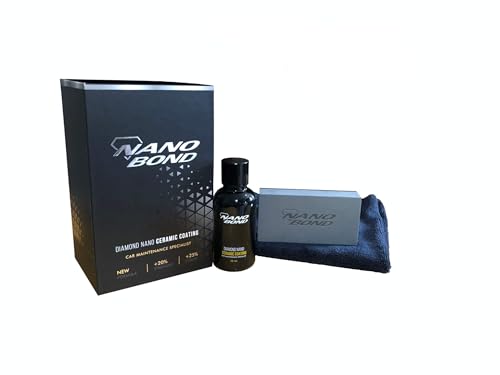
Nano Bond’s ceramic coating kit for cars is described as an easy-to-use option that delivers long-lasting hydrophobic protection. The 30 ml bottle is positioned for DIY enthusiasts and professionals alike, with claims of deep protection against UV rays, corrosion, dirt, and water spots. The product emphasizes a quick, wipe-on, buff-off method that aims to produce a glossy, durable finish without extensive curing times.
Key advantages include strong water beading and resistance to common cleaning challenges, along with a focus on UV protection and weather resilience. The coating’s deep pore penetration is marketed as contributing to a coating that remains effective across varied climates and driving conditions.
Griot’s Garage Glass Sealant Coating

Griot’s Garage Glass Sealant Coating offers a barrier that resists water and helps keep glass cleaner in wet conditions. This coating aims to deliver clearer views during rain, sleet, or snow by reducing the tendency for water to cling to the glass. The kit is designed for straightforward application and maintains a focus on effective rain performance, making it attractive for drivers who want reliable visibility without frequent reapplication.
The product is positioned as a versatile option for multiple weather scenarios, working best when paired with regular cleaning to maximize its hydrophobic properties. The coating seeks to minimize water adhesion and help glass remain free of grime that can impair vision over time.
Buying Guide: Key Considerations For Glass Coatings
- Drying and cure time: Some coatings require minimal curing time, while others benefit from a longer cure window. For busy schedules, quick-applied formulas that buff off promptly are appealing.
- Durability and longevity: Consider climate exposure, such as heavy rain, snow, and road salt. Higher durability coatings tend to resist wear across seasons.
- Hydrophobic strength: Strong water beading improves visibility in wet weather and reduces water spots following washes.
- Ease of application: DIY-friendly products with clear instructions help ensure a consistent finish without professional tools.
- Glass type compatibility: Confirm the coating is suitable for windshields, side windows, and mirrors, not just one surface.
- Prep requirements: Some products include a prep step to strip old coatings, oils, or contaminants—essential for bonded layers to adhere properly.
- Maintenance implications: Some coatings reduce the frequency and effort required for cleaning, while others may need special cleaners to preserve the coating.
- Safety and VOCs: Look for low-toxicity formulations and clear safety guidance, especially for interior glass surfaces in hot climates.
- Cost per application: Compare total coverage and bottle size to estimate long-term value based on your vehicle’s glass area.
In sum, the best glass coating for a given vehicle depends on climate, maintenance habits, and how much convenience the owner wants. Higher-end ceramic and graphene-based coatings typically offer longer protection and stronger water beading, while simpler one-step solutions provide quick improvements with less effort. For drivers who face frequent rain and road grime, prioritizing hydrophobic performance and durability will yield the most noticeable benefits.