The Group 75 battery size is a common fit for many cars and SUVs that require strong cold-cranking performance and solid reserve capacity. This guide reviews top option picks, comparing features like CCA, reserve capacity, and maintenance needs. Each selection is evaluated for reliability, compatibility, and long-term value, helping you choose a proven battery for demanding climates and daily driving.
Summary of Selected Products
| Product | Brand | Key Features |
|---|---|---|
| OPTIMA Batteries High Performance 75/25 RedTop | OPTIMA | 12V, 720 CCA, Dual SAE & GM posts, Spiralcell technology, 90-minute reserve |
| Interstate Batteries Group 75 Replacement MT-75 | Interstate Batteries | 650 CCA, 93-minute reserve, conventional flooded design, fits many vehicles |
| OPTIMA Batteries High Performance D75/25 YellowTop | OPTIMA | 12V, 620 CCA, Dual terminals, 100-minute reserve, AGM design |
| Odyssey Battery ODP-AGM7586 Performance Series | ODYSSEY | 12V, 708 CCA, 89-minute reserve, high-CCA AGM |
| ACDelco Gold 48AGM | ACDelco | AGM, high-density paste, low resistance |
OPTIMA 75/25 RedTop High Performance Battery

OPTIMA’s 75/25 RedTop uses SpiralCell Technology with 99.99% pure lead to deliver reliable starting power, especially in challenging weather. Its 720 CCA rating provides quick starts in cold conditions, while the 90-minute reserve capacity supports persistent performance. The dual SAE and GM posts enable flexible mounting and compatibility with a wide range of vehicles. With a sealed AGM design, maintenance requirements are minimal, making it a practical option for drivers seeking robust performance without routine checks.
OPTIMA 78 RedTop High Performance Battery

OPTIMA’s 78 RedTop delivers higher cold-cranking amps at 800 CCA, suitable for vehicles with demanding starting requirements. The six-lund-friendly GM side terminals support ease of installation and versatile mounting. The 50 AH C20 capacity and 100-minute reserve capacity help ensure steady power delivery for startups and accessory systems. Like other OPTIMA AGM designs, it benefits from minimal maintenance and a sealed construction that resists leaks and spills, enhancing reliability in variable climates.
Interstate MT-75 Group 75 Car Battery

Interstate’s MT-75 is a traditional flooded battery designed to fit many Group 75 applications. It provides 650 CCA and a 93-minute reserve capacity, offering solid cranking power in hot to moderate climates. This conventional design appeals to users who prefer non-AGM chemistry or are updating an older vehicle that originally used flooded batteries. It’s important to verify fitment with your specific car using vehicle compatibility tools before purchase to avoid compatibility issues.
Odyssey ODP-AGM7586 Performance Series

The Odyssey ODP-AGM7586 is an AGM design with 708 CCA and a robust 89-minute reserve capacity, aimed at high-demand starts and deep cycling. Odysseys are known for fast recovery after deep discharge and superior cycle life, making them suitable for drivers who routinely run electronics or heavy loads. The 12-volt system and 85+ amp-hour class provide reliable performance in a range of climates, though the heavier weight and higher upfront cost are factors to consider for budget-conscious buyers.
ACDelco Gold 48AGM Battery
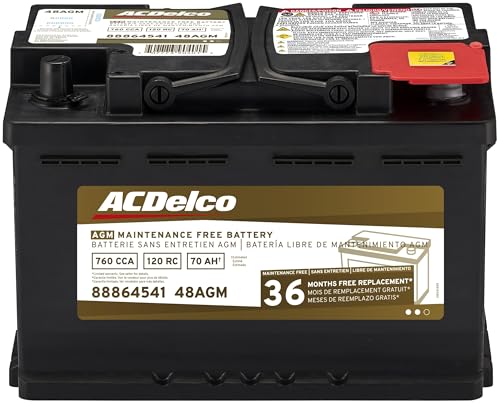
ACDelco’s Gold 48AGM is an AGM battery designed to deliver high density negative paste and advanced alloy components, increasing cycle life and reducing resistance. While not a Group 75-specific model, it serves as a high-quality alternative for vehicles that accommodate Group 48/75-compatible sizes and are seeking reliable, maintenance-free operation. The Silver Calcium-stamped alloy and enhanced grid design help optimize conductivity and durability across temperature ranges.
Buying Guide: Group 75 Battery Buy Considerations
When selecting a Group 75 battery, consider the following perspectives to ensure you meet your vehicle’s startup needs and climate demands:
- Compatibility and fit: Verify your vehicle’s battery tray size, terminal configuration (SAE vs GM), and mounting space. Group size labels help, but vehicle-specific fitment is essential.
- Cold-cranking amps (CCA): In cold climates or vehicles with high electrical loads, higher CCA improves starting reliability. Balance CCA with reserve capacity to ensure startup energy and long runs in winter.
- Reserve capacity (RC): A higher RC indicates the battery can sustain electrical loads if the alternator is unable to recharge quickly. This is valuable for vehicles with many accessories or in areas with frequent short trips.
- AGM vs flooded: AGM batteries (absorbent glass mat) offer maintenance-free operation, better vibration resistance, and lower self-discharge. Flooded batteries are typically less expensive but require more maintenance and ventilation.
- Durability and warranty: Look for manufacturers offering robust warranties and proven durability in hot and cold environments. AGM designs often provide longer service life in extreme temperatures.
- Weight and installation: Heavier AGM options may require professional installation or assistance, especially if you’re upgrading from a smaller or differently shaped battery.
- Vehicle electrical system: Some vehicles require specific terminal configurations and positive/negative terminal placements. Confirm compatibility with your manual or a trusted fit tool.
- Budget vs. value: Higher CCA and RC often come with higher upfront costs. Evaluate the total cost of ownership, including expected lifespan and maintenance savings.
- Environmental conditions: Hot climates accelerate electrolyte evaporation in flooded batteries; AGM designs handle heat better and provide more consistent performance in temperature extremes.
In selecting a Group 75 battery, users benefit from weighing starting power, longevity, and the intended use of the vehicle. For everyday commuting, a balanced option with solid CCA and RC is typically sufficient. For trucks or vehicles with heavy electrical loads, higher CCA and robust AGM designs may be more appropriate. Always confirm fit and compatibility with your specific vehicle model before purchase.