Choosing the right lightweight body filler can speed up dent repairs while keeping finishes smooth and paint-ready. This guide highlights five top options favored for fast drying, easy sanding, and strong adhesion on metals, fiberglass, and composites. Each product is evaluated on spreadability, sanding behavior, and versatility to help you pick the best fit for automotive, marine, or DIY projects.
Summary Table of Selected Products
| Product | Brand | Key Strength | Typical Use |
|---|---|---|---|
| Evercoat Body Shop 105001 Pro-Grade | Evercoat | Fast drying, easy sandability | Dents on aluminum, fiberglass, steel |
| Evercoat Lite Weight Body Filler | Evercoat | Clog-free, sands to fine finish | Aluminum, fiberglass, multiple substrates |
| 3M Lightweight Body Filler 05801 | 3M | Creamy mix, good handling | Automotive dents and dings |
| U.S. Chemical Special Lite | U.S. Chemical & Plastics | Lightweight, reliable adhesion | General autobody repairs |
| Roberlo Maxifill | Roberlo | Microsphere technology, reduced sanding | Dents, holes, rust repair kit |
Evercoat Body Shop Pro-Grade Body Filler

Evercoat’s Body Shop Pro-Grade filler is designed for professional-grade dent repairs with a focus on fast drying and easy shaping. The filler blends well, sands readily, and creates a smooth surface quickly, which helps reduce labor time on complex repairs. It adheres to a variety of substrates, including aluminum, galvanized steel, steel, fiberglass, concrete, wood, and masonry, making it a versatile choice for mixed-material projects. A solid all-around option for shop use, it pairs well with compatible hardeners and finishing products to achieve a durable, paint-ready finish.
Evercoat Lite Weight Body Filler

This lightweight body filler focuses on clog-free performance and a tack-free finish, simplifying the sanding process. It sands to a fine finish and is designed to work well with standard sanding grits, helping technicians achieve a smooth surface with less effort. Its formulation prioritizes lay-down consistency and long-term workability, making it a practical option for auto body repairs that require clean, precise glass-like finishes. The product is suitable for multiple substrates, including aluminum and fiberglass.
3M Lightweight Body Filler 05801
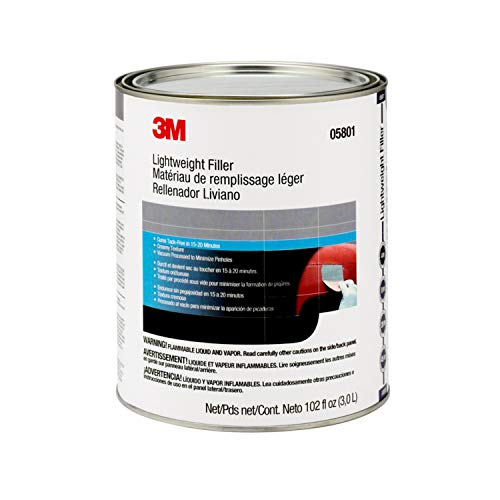
3M’s 05801 lightweight filler is known for a creamy mixing experience and good handling properties that support uniform application. It offers a tack-free finish as it dries, helping to minimize dust pickup during curing. This filler is a dependable option for dents and small imperfections across automotive panels, allowing for predictable leveling and a consistent surface for primer and paint. It is compatible with common repair procedures and is widely available in many body shop settings.
U.S. Chemical & Plastics Special Lite
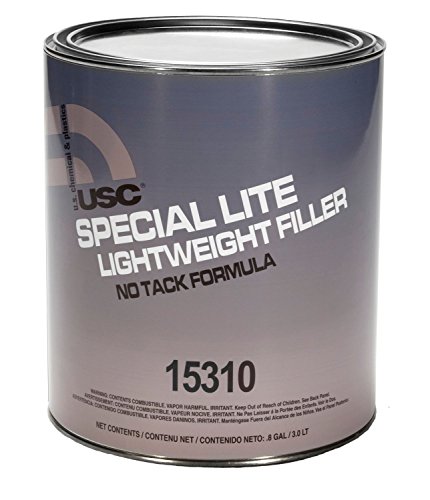
Special Lite from U.S. Chemical & Plastics emphasizes lightweight performance with reliable adhesion. Its formulation is designed to reduce sagging and enable easier application on a variety of substrates commonly encountered in autobody repair work. This filler provides a balanced combination of set time and workability, helping technicians achieve a smooth initial fill with minimal rework while maintaining compatibility with standard finishing steps.
Roberlo Maxifill Lightweight Body Filler

Roberlo Maxifill stands out with microsphere technology designed to reduce sanding time and enhance surface finish. The kit includes 3 liters of lightweight filler and a hardener, offering a complete repair solution in one package. It provides rust-inhibition properties to support longevity, making it suitable for repairs on aluminum, steel, zinc, galvanized surfaces, and fiberglass. The formulation emphasizes strong adhesion and a smooth, paint-ready surface after curing.
Buying Guide: Key Considerations for Choosing a Lightweight Filler
When selecting a lightweight filler, consider substrate diversity, work time, and final finish. For mixed-material repairs, prioritize fillers with strong adhesion to aluminum, steel, fiberglass, and masonry. If speed is critical, look for fast-drying formulas that still sand easily to a glassy finish. Clog-resistant or tack-free formulas help maintain consistent sanding and reduce waste. Kit options that include hardeners simplify procurement and storage. For long-term durability, choose fillers with corrosion inhibitors to protect repaired areas from rust and future damage.
Substrate Compatibility
Ensure the filler adheres well to the materials you repair—metal, fiberglass, and composite surfaces each require different bonding characteristics. Look for products explicitly tested on aluminum and galvanized steel for best results on automotive panels.
Work Time and Drying
A shorter walk-off or faster cure can speed up projects but may require quicker tool use. Balance work time with your skill level and the complexity of the dent. For large or intricate repairs, a longer open time can reduce mishaps during application.
Finish Quality
Sandability and tack-free properties influence the final appearance. A filler that sands to a fine finish reduces the number of finishing passes and helps achieve a paint-ready surface with fewer coats of primer.
Size and Packaging
Consider whether you need a gallon-size kit or a smaller 1-quart container. Kits that pair filler with a hardener provide greater value and a more predictable cure, especially in busy shop settings.
Durability and Rust Inhibition
Rust inhibitors in the formula help extend the life of repairs on metal substrates. This is particularly valuable for vehicles exposed to moisture or winter road salt, where corrosion can be a long-term concern.
Application Experience
Creative consistency and smooth spreading depend on formulation. Creamy, easy-mixing fillers tend to offer predictable performance, while clog-free and low-dust formulas reduce maintenance and cleanup after sanding.