Choosing a reliable memory saver is essential when replacing a car battery or performing electrical maintenance. The right device preserves radio codes, ECU presets, and other essential settings, preventing time-consuming reprogramming. Below are five top options that balance safety, ease of use, and value for American drivers.
| Product | Brand | Key Benefit |
|---|---|---|
| EZRED MS4000 Automotive Memory Saver With Built In Charger | EZRED | Built-in charger; protects and preserves drive-ability codes and settings |
| E60 OBD II Vehicle ECU Emergency Power Supply Cable | MR CARTOOL | Two power methods; protects ECU data during battery changes |
| VSTM OBD II Vehicle ECU Emergency Power Supply Cable Memory Saver | VSTM | Long 10 ft cable; strong protection features for reliable power |
| LUTIFIX OBD2 Memory Saver Cable | LUTIFIX | Voltage/current display with multi-protection features |
| All-Sun GK504 Automotive Setting Keeper | allsun | Rugged, simple memory saver with cigarette-lighter plug |
The following sections highlight five memory saver options designed for U.S. vehicles, focusing on how they protect onboard computers, radios, and other electronic systems during battery maintenance or replacement.
EZRED MS4000 Automotive Memory Saver With Built In Charger

The EZRED MS4000 combines a memory-preserving unit with a built-in 12-volt charger and a 4.5 Ah sealed lead-acid battery. It plugs directly into the vehicle’s OBDII port through a wired connection, enabling continuous power to anti-theft radios, clocks, keyless entry systems, GPS memory, and TPMS while the starter battery is removed or replaced. A 4-amp circuit breaker provides protection against overcurrent, helping prevent damage to sensitive electronics. This model is suitable for owners who value an integrated solution that reduces installation steps and keeps vehicle configurations intact.
E60 OBD II Vehicle ECU Emergency Power Supply Cable

The E60 memory saver from MR CARTOOL is designed for battery replacement scenarios, offering dual power options. It can draw power from a 12V battery via clip connectors or from a separate battery box that holds 8 AA cells (not included). The device preserves ECU data and minimizes reprogramming, even on late-model vehicles. Its compact size and dual-power approach make it a flexible choice for garages or DIY enthusiasts who might not always have a jump starter readily available.
VSTM OBD II Vehicle ECU Emergency Power Supply Cable Memory Saver (3Meter)

The VSTM memory saver emphasizes reliability with a long 10-foot cable, offering the ability to source 12V power from another vehicle if a jumper is unavailable. It uses robust connectors with gold plating for improved contact, plus an 8A fast-blow fuse to protect the wiring and ECU in case of surges. This model is well-suited for longer service jobs or garages where reach and dependable protection are priorities.
LUTIFIX OBD2 Vehicle ECU Emergency Power Supply Cable
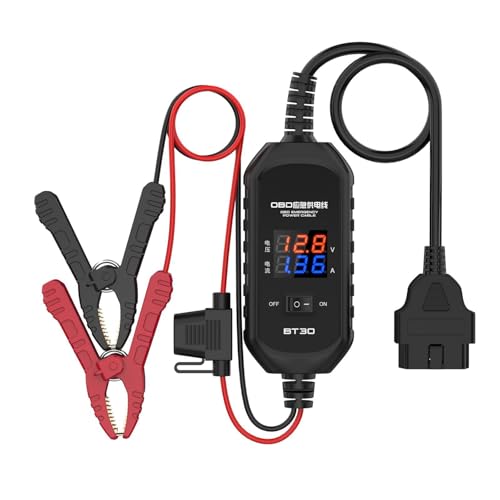
LUTIFIX emphasizes real-time voltage and current monitoring on its OBD2 memory saver cable. It includes over-voltage protection, over-current protection, and reverse polarity protection, backed by a 3A quick-blow fuse and auto power-off when necessary. This model is attractive for users who want visibility into power status during a battery swap and value built-in safety features to guard ECU data and vehicle electronics.
All-Sun GK504 Automotive Setting Keeper
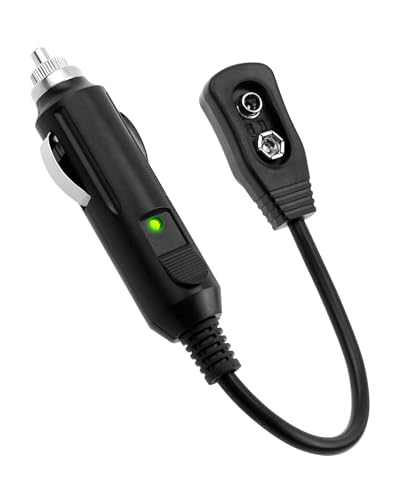
The All-Sun GK504 offers a rugged, easy-to-use memory saver that plugs into the vehicle’s cigarette lighter for power. Its straightforward design focuses on preserving memory for onboard computers with a simple, reliable connection. This option is ideal for users who want a compact, no-fuss device that works well for routine maintenance tasks and quick battery changes.
Buying Guide: Key Purchase Considerations
- Power source and compatibility: Determine whether the unit uses a built-in battery, needs an external 12V supply, or works through the vehicle’s OBD II port. Match the power method to your typical service environment (home garage vs. professional shop).
- Cable length and flexibility: Longer cables provide more flexibility to work in tight engine bays, especially on larger vehicles. Consider if you need 3 meters (10 feet) or more for calls of reach during battery swaps.
- Protection features: Look for over-current, over-voltage, short-circuit protection, and reverse polarity protection. These safeguards help prevent damage to ECU data and sensitive electronics during power interruptions.
- Monitoring and visibility: Some models display voltage and current, aiding real-time diagnostics during battery change. This can improve confidence and reduce risks of losing memory data.
- Ease of use and installation: A plug-and-play design or integrated charger simplifies use. Consider whether you prefer a single-unit solution or a kit with separate power sources.
- Vehicle coverage and limitations: Most memory savers support common 12V systems and OBD II interfaces, but verify compatibility with your specific vehicle models, especially older or more specialized cars.
- Durability and value: Hard plastic housings and robust connectors reduce wear over time. Weigh the price against reliability and warranty when choosing.
- Maintenance scenarios: If you frequently replace batteries or service multiple vehicles, prioritize a model with longer cable length and flexible power options to accommodate varying shop setups.
How To Use A Memory Saver Safely
Power down the vehicle completely before disconnecting the old battery. Attach the memory saver’s power source and connect to the appropriate port or receptacle. Ensure all connections are secure, then perform the battery replacement. After installation, verify that radio codes, ECU presets, clocks, and other stored data remain intact. If any issues arise, consult the product’s manual or the retailer’s support resources for guidance.