Protecting classic engines requires oils designed for older tolerances, zinc content, and robust film strength. The following selections focus on classic and hot-rod applications, balancing wear protection, cold-start performance, and thermal stability. Each option listed is suitable for muscle cars, show cars, and preserved garages that demand reliable, period-appropriate lubrication.
| Product | Brand | Oil Type / Grade | Volume |
|---|---|---|---|
| Castrol GTX Classic 20W-50 Conventional Motor Oil, 5 Quarts | Castrol | 20W-50 Conventional | 5 Quarts |
| Lucas Oil 10679 Hot Rod & Classic Car SAE 10W-30 Motor Oil – 5 Quart | Lucas Oil | 10W-30 | 5 Quart |
| Valvoline VR1 Racing SAE 20W-50 Motor Oil 5 QT | Valvoline | 20W-50 Racing | 5 QT |
| Lucas Oil 10683 Hot Rod & Classic Car SAE 10W-40 Motor Oil – 5 Quart | Lucas Oil | 10W-40 | 5 Quart |
| Castrol GTX Classic 20W-50 Conventional Motor Oil, 1 Quart, Pack of 6 | Castrol | 20W-50 Conventional | 6 Quarts |
Note: The selection emphasizes zinc-rich formulations and thick film strength suitable for older engine designs, while also considering cold-weather starts and modern fuel compatibility where applicable. Each product links to its Amazon listing for reference and purchase.
Castrol GTX Classic 20W-50: Classic-Engine Protection
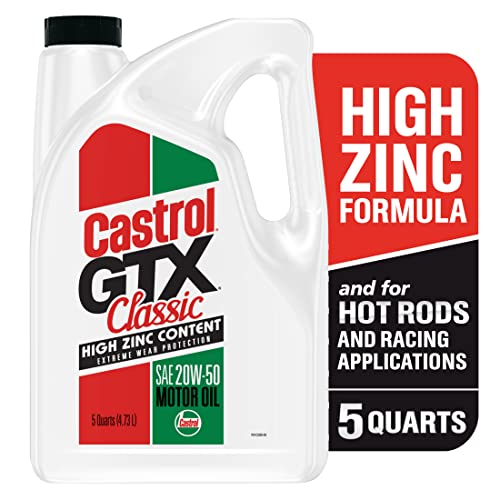
Castrol GTX Classic 20W-50 is designed to protect classic engines that require higher zinc and phosphorus content. Its formulation maintains a thick oil film even under severe operating conditions, helping reduce wear on pistons, cams, and bearings. The product also features minimal foaming and strong resistance to thermal degradation, supporting reliable performance in long-idle and high-heat scenarios common in vintage driving.
Key features include high zinc and phosphorus for extreme wear protection, a durable oil film through heat cycles, and low foaming properties. This oil is suitable for engines without modern emission-control equipment that need robust protection during extended runs or hot summers.
Lucas Oil 10679 Hot Rod & Classic Car SAE 10W-30

Lucas Oil 10679 is tailored for hot rod and classic vehicles, combining paraffinic base oils with a specialized additive package rich in zinc, molybdenum, and phosphorus. This blend creates a tougher, thicker film for maximum protection across older engines that may operate under higher compression or extended driving sessions. It aims to balance cold-weather start-up performance with high-temperature endurance.
The product emphasizes robust anti-wear performance, ensuring protective film strength on critical components such as pistons and camshafts. It is designed for classic engines and builds a foundation for reliable lubrication during show-season drives and routine maintenance alike.
Valvoline VR1 Racing SAE 20W-50: High-Performance Classic Oil

Valvoline VR1 Racing 20W-50 is formulated for high-performance gasoline engines used in racing and classic car settings. It features elevated levels of zinc and phosphorus for superior film strength and anti-wear protection on pistons, cams, and bearings. Its anti-foaming agents help maintain stability under rapid RPM fluctuations, while the formulation resists thermal breakdown in demanding environments. This oil is compatible with various fuels including partial alcohol blends used in track or street service.
Overall, VR1 Racing delivers endurance protection suitable for classic big-blocks and tuned motors, especially where high-temperature operation is routine and sustained power output is desired without sacrificing oil integrity.
Lucas Oil 10683 Hot Rod & Classic Car SAE 10W-40

Lucas Oil 10683 Hot Rod & Classic Car SAE 10W-40 is designed for muscle, showroom, and trophy cars that typically do not use catalytic converters. It uses top-quality paraffinic base oils and a distinctive additive package with high levels of zinc, molybdenum, and phosphorus to maximize protection. The oil aims for good cold-temperature performance while maintaining stability at higher operating temperatures common in classic engines, making it suitable for varied driving conditions.
The formulation targets durable lubrication during long cruises and competitive events, offering reliable film strength without excessive volatility. This makes it a practical choice for enthusiasts maintaining multiple classic vehicles or those needing a versatile option across seasons.
Castrol GTX Classic 20W-50 1 Quart Pack: Value For Classics

This 1-quart pack provides an economical option for topping up or for maintenance on standalone classics where consistent protection is essential. The 20W-50 formulation mirrors the classic-protection approach seen in larger containers, focusing on high zinc and phosphorus content and a strong oil film. It’s suitable for owners who prefer periodic oil additions without switching brands or formulations.
Under long-term storage and in engines with older tolerances, this oil helps guard against wear and deposits while staying compatible with conventional engines designed for higher viscosity oils.
Buying Guide: What To Consider When Choosing Oil For Classic Cars
Viscosity And Climate
Older engines often benefit from higher-viscosity oils such as 20W-50 or 10W-40, especially in warmer climates or when engines run hot. For cold climates, a lighter start-up viscosity in the 10W range may improve cold-start protection, but ensure the engine’s tolerances allow for it. Always align with the vehicle’s owner manual or consult a classic-car specialist if in doubt.
Zinc and Anti-Wear Additives
Classic engines without modern catalytic converters or advanced bearing materials typically require higher zinc (ZDDP) content for anti-wear protection. Oils like VR1 Racing or formulations with zinc and phosphorus are often favored for this purpose, helping to minimize wear under high-load and high-temperature scenarios common in vintage driving.
Film Strength And Shear Stability
Film strength helps maintain a protective layer between moving parts, particularly in engines with longer service intervals or higher mileage. Look for oils that emphasize a tough additive film and resistance to thinning under heat. This is crucial for engines that see aggressive driving or track days in some classic car communities.
Fuel Compatibility
Some classic engines may run on ethanol-containing fuels or blends. Certain racing or high-performance formulations are designed to cope with these fuels without compromising protection. Verify compatibility with your fuel type, especially if the car is used for frequent track days or mixed fuel scenarios.
Availability And Convenience
Consider oils available in convenient packaging (5-quart jugs or 6-quart packs) that fit your maintenance habit. For owners who perform frequent top-offs, smaller containers can be helpful, but ensure consistency with the preferred viscosity and additive package to avoid mixing incompatible formulations.
Engine Type And Modifications
Engines without catalytic converters or those with high-performance builds may benefit from higher ZDDP levels and thicker film protection. If the classic engine has undergone restoration or upgrades, verify the lubricant choice aligns with any modified tolerances, compression, or fuel systems.
In summary, selecting oil for classic cars involves balancing viscosity, anti-wear chemistry, and compatibility with the engine’s design and intended use. The products listed above provide options across classic protection needs, from zinc-rich conventional oils to high-film-strength racing formulations. Always follow manufacturer recommendations and consult a vintage-vehicle technician for engine-specific guidance.