Choosing a compact car seat that fits three across or in smaller vehicles without compromising safety can be challenging. This guide highlights five narrow, versatile options designed for toddlers and growing children. Each seat supports multiple stages, adjusts to growing bodies, and fits tight back seats. Below, you’ll find a quick product snapshot, followed by in-depth sections with key features and considerations to help you compare correctly and purchase confidently.
| Product | Brand | Key Narrow-Fit Feature | Format |
|---|---|---|---|
| Graco Tranzitions 3-in-1 Harness Booster Car Seat | Graco | 3-in-1 design; compact backless booster | Forward-Facing / Highback / Backless |
| Safety 1st Ellaris 3-in-1 Convertible Car Seat | Safety 1st | Slim design; 3 modes with 5-position headrest | Rear-Facing / Forward-Facing / High Back |
| Safety 1st Grand 2-in-1 Booster Car Seat | Safety 1st | 2-in-1 with slim profile for three across | Harness Booster / Belt-Positioning Booster |
| Cosco Kids Finale DX 2-in-1 Booster Car Seat | Cosco | Narrow design; fits 3 across | Forward-Facing / Belt Positioning |
| Graco Extend2Fit Convertible Car Seat | Graco | Extended legroom; slim profile for rear-facing | Rear-Facing / Forward-Facing |
Graco Tranzitions 3-in-1 Harness Booster Car Seat

The Graco Tranzitions 3-in-1 is designed to grow with your child, transitioning from a forward-facing harness seat to a highback booster and finally a backless booster. It supports from 22-65 lb in harness mode, then 40-100 lb in boosters. The No-Rethread Simply Safe Adjust system lets you adjust harness height and headrest in one motion, aiding quick, secure installation in compact vehicles.
Graco Tranzitions 3-in-1 Harness Booster Car Seat (Proof)

Another 3-in-1 variant from Graco emphasizes long-term use with a similar forward-facing to booster progression. It accommodates children in the 26.5-65 lb range for harness mode and 40-100 lb for boosters. The harness system remains simple with a no-rethread design, aiding a snug fit as your child grows, while maintaining a slim footprint suitable for smaller back seats.
Safety 1st Grand 2-in-1 Booster Car Seat
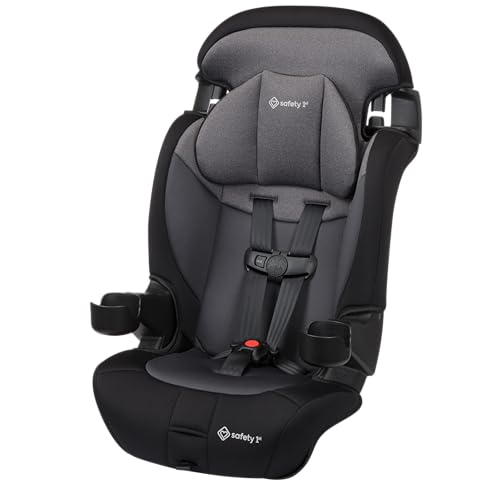
The Safety 1st Grand combines a 2-in-1 booster with a slim profile ideal for SUVs or vehicles needing three-across seating. It converts from a forward-facing harness booster (40–65 lbs) to a belt-positioning booster (40–100 lbs). Its slim seat design supports easier seat switching and installation across multiple cars, making it practical for shared vehicles or carpools.
Safety 1st Ellaris 3-in-1 Convertible Car Seat

The Ellaris offers a slim design with three usage modes: rear-facing infant (5–30 lbs), rear-facing toddler (30–40 lbs), and forward-facing (30–65 lbs). It features a 5-position headrest for quick adjustment and a compact footprint that eases three-across seating. The seat’s adjustable features aim to balance comfort with a narrow profile for smaller vehicles.
Cosco Kids Finale DX 2-in-1 Booster Car Seat

The Finale DX is a two-in-one booster seat designed to fit narrowly in back seats. It supports a forward-facing harness mode (40–65 lbs) and a belt-positioning booster (40–100 lbs). Its lightweight construction and compact design make it a flexible option for families needing a slim seat that travels well in carpools or multi-vehicle households.
Graco Extend2Fit Convertible Car Seat

The Graco Extend2Fit provides up to 5 inches of extra legroom via a 4-position extension panel, allowing children to ride rear-facing longer while remaining within a slim footprint for three-across configurations. It transitions from rear-facing (4–50 lbs) to forward-facing (26.5–65 lbs). This seat is noted for its balance of extended rear-facing safety and a relatively compact profile compared with other convertible seats.
Buying Guide: Key Purchase Considerations And Comparisons
- Fit and footprint: Narrow seats are specifically designed to occupy less horizontal space. Measure your vehicle’s back seat width and ensure the seat’s width and armrest placement will fit with any other seats you need to share space with.
- Car seat stage coverage: Look for seats that provide multiple modes (rear-facing, forward-facing, booster). This avoids buying new seats as your child grows and helps maximize value in a single purchase.
- Weight and height ranges: Review weight and height limits for each mode. Choose seats that accommodate your child’s current size and provide room for growth without exceeding safety limits.
- Headrest and harness adjustment: Quick-adjust, easy-to-use headrests and harnesses save time and reduce installation errors. No-rethread designs are especially helpful for busy mornings or carpool transitions.
- Vehicle compatibility: Some slim seats still require a proper installation method with the vehicle’s seat belt or LATCH system. Check for compatibility with your car model and seating configuration.
- Ease of cleaning and maintenance: Removable, machine-washable pads are a practical feature for baby spills and everyday messes. Look for machine-washable covers when possible.
- Weight capacity for boosters: If you plan to use the booster option for older children, confirm the maximum weight for belt-positioning mode and whether the seat supports 3-across configurations with other seats in the row.
- Installation versatility: Seats that are easier to install with seating positions across three across increase practicality for families with multiple kids or carpooling needs.
- Safety certifications and standards: Ensure the seat complies with federal safety standards and contains essential features such as side-impact protection, secure harness systems, and sturdy materials.
- Warranty and customer support: Consider the manufacturer’s warranty length and availability of customer service in case you encounter any installation or safety questions.
These selections emphasize slim profiles, multi-stage use, and straightforward installation, which are important when space is at a premium but safety remains the priority. Each option provides a different balance of legroom, weight capacity, and transition ease. Evaluating your vehicle’s back-seat layout and your child’s growth trajectory will help determine the best fit.