Oil burning and exhaust smoke are common complaints for aging engines. The right no-smoke oil additive can reduce burning, seal minor leaks, and help stabilize emissions without expensive repairs. This guide highlights five top-rated products designed to minimize blue smoke, quiet noisy lifters, and restore engine reliability. Each entry covers how the additive works, primary benefits, and practical use tips. All selections are compatible with a range of gasoline engines and aim to deliver cleaner operation and improved compression.
| Product | Brand | Key Benefit |
|---|---|---|
| Bardahl 2117 NoSmoke + StopLeak | Bardahl | Reduces oil burning, seals leaks, lowers emissions |
| Liqui Moly Oil Smoke Stop 300 ml | Liqui Moly | Minimizes blue exhaust smoke, seals wear gaps |
| BlueDevil Stop Smoke & Engine Repair – 16 oz | BlueDevil Products | Reduces exhaust smoke, restores compression, seals & rings |
| Bar’s Leaks 1000 High Mileage Engine Repair | Bar’s Leaks | Stops leaks, reduces noise, improves compression |
| Bardahl 2117-CS NoSmoke + StopLeak | Bardahl | Enhanced formula for oil burning and leak sealing |
This selection emphasizes products that address the root causes of oil burning and smoke, including worn seals, excessive blow-by, and minor internal leaks. The items integrate into routine maintenance without requiring complex procedures. For best results, follow the product directions and consider a complementary engine oil change if recommended by the manufacturer.
Bardahl 2117 NoSmoke + StopLeak

Bardahl’s NoSmoke + StopLeak is designed to address oil burning and excessive exhaust smoke. The formulation aims to fill loose tolerances with an extra-thick additive that reduces burning and smoke, while acting as an oil leak sealer to quiet lifters and seals. It also notes emissions benefits as engines loosen and exhaust pollutants may increase over time. This product targets older engines, offering cleaner running and noise reduction alongside leak sealing and surface restoration.
Liqui Moly Oil Smoke Stop

Liqui Moly’s Oil Smoke Stop is formulated to minimize blue smoke from burning oil and to seal gaps caused by wear. It’s described as suitable for all oils used in petrol and diesel engines, including those prone to oil consumption. The product’s focus is reducing blue exhaust and controlling oil loss, helping engines run more cleanly and efficiently.
BlueDevil Stop Smoke & Engine Repair

BlueDevil Stop Smoke & Engine Repair is marketed to reduce exhaust smoke and restore engine compression while driving. It emphasizes reconditioning seals and piston rings to soften and expand worn components, potentially improving performance and fuel efficiency. This product is positioned as a practical, on-the-go solution for vehicles exhibiting blue or white smoke and reduced compression.
Bar’s Leaks 1000 High Mileage Engine Repair
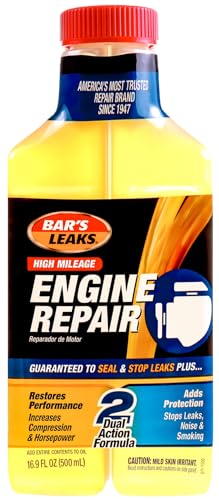
Bar’s Leaks 1000 High Mileage Engine Repair targets high-mileage engines with a blend designed to repair leaks, increase compression and horsepower, and reduce noise and oil consumption. It is positioned as a comprehensive solution for aging engines where leaks and smoke are common symptoms and where preserving engine reliability is a priority.
Bardahl 2117-CS NoSmoke + StopLeak

The Bardahl 2117-CS variant continues the NoSmoke + StopLeak approach with an enhanced formula for oil burning control and leak sealing. It emphasizes quieting noisy lifters and reducing exhaust smoke while maintaining cleaner emissions. This option may be suitable for older engines needing stronger sealing and burn control.
Buying Guide: Key Purchase Considerations
- Engine condition and mileage: For older engines with wear, products that seal gaps and restore compression may offer greater benefits, especially when there are leaks or noisy lifters.
- Type of smoke: Blue smoke indicates oil burning; white or gray smoke can also indicate other issues. Choose a formula targeted to oil burning reduction when blue smoke is prominent.
- Oil compatibility: Verify compatibility with your vehicle’s oil type (conventional, synthetic, high-mileage blends) and engine specifications to avoid adverse effects.
- Sealing versus burning control: Some additives primarily seal leaks, while others focus on reducing burning. For best results, consider a product that addresses both issues if present.
- Emissions considerations: Some additives note emissions benefits, which may help you meet standards in regions with strict requirements. Check local regulations and the product’s claims.
- Application method: Read usage directions carefully, including dosage and any required accompanying maintenance (e.g., oil change intervals) to maximize effectiveness.
- Engine type and compatibility: The product line often covers a wide range of gasoline engines, but always confirm compatibility with your specific make, model, and engine layout (e.g., turbocharged, EcoBoost).
- Aftermarket options vs. OEM guidance: These are aftermarket additives. If you have warranty concerns or complex engine issues, consult a mechanic for guidance on compatibility with your maintenance plan.