Oil sludge can impair engine efficiency, reduce lubrication, and trigger deposits. This guide reviews top sludge treatment products designed to clean, protect seals, and improve fuel and oil flow. We compare performance, compatibility, and practical use to help American readers choose the right option for gasoline and diesel engines.
| Product | Brand | Key Benefit | Use Case |
|---|---|---|---|
| Liqui Moly Pro-Line Engine Flush | Liqui Moly | Gentle, rapid cleaning; neutral to seals | Oil system flushing for gasoline and diesel engines |
| TRIAX Pro Engine Flush | Triax | Rapid sludge & carbon removal; protects seals | Deep engine clean during flush |
| ComStar Sludge Solve | ComStar | Aggressive sludge breakdown; universal fuel compatibility | Oil and fuel system sludge elimination |
| Rislone XTREME LUBE | Rislone | Removes sludge; reduces wear; quiets lifters | Engine treatment to prevent sludge buildup |
| ComStar Super Heat 8-in-1 | ComStar | Waxing, jelling, sludge dissolution; lowers pour point | Multi-in-one fuel and oil system treatment |
Liqui Moly Pro-Line Engine Flush

Liqui Moly’s Pro-Line Engine Flush is an easy, effective way to clean oil systems in both gasoline and diesel engines. It offers gentle yet rapid cleaning that dissolves sludge and varnish without harming seals or elastomeric components. The product is designed to prepare engines for fresh oil by removing built-up deposits, which can improve lubrication pathways and engine performance. This flush is suitable for routine maintenance or prior to oil changes to maximize cleaner oil flow and reduce contamination.
FPPF 90342 SBG – Diesel Fuel Cleanse
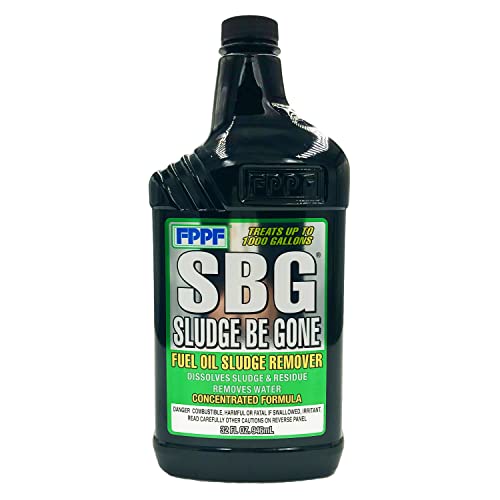
FPPF 90342 SBG is designed to clean filters and strainers, promote more efficient combustion, and support improved atomization of diesel fuel. While primarily aimed at fuel systems, its action can reduce sludge-related restrictions in the fuel pathway and support cleaner burning, which can indirectly reduce the formation of oil-sludge-related contaminants in the engine’s lubrication system.
ComStar Sludge Solve
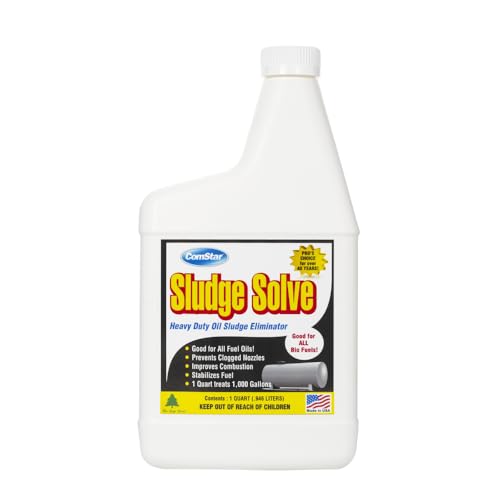
ComStar Sludge Solve is a heavy-duty sludge eliminator that aggressively breaks down and liquefies sludge throughout the entire fuel system. It stabilizes fuel and helps prevent nozzle clogs, improving combustion and overall engine performance. It’s marketed as compatible with all fuel oils, making it a versatile option for heating systems, fuel tanks, and larger industrial setups where sludge buildup is a concern.
TRIAX Pro Engine Flush

TRIAX Pro Engine Flush delivers rapid dissolution of sludge and deposits from piston rings, bearings, and the valve train while maintaining lubrication film throughout the process. It aims to restore engine power, improve compression, and free stuck rings. The flush also includes protective elements to reduce wear during cleaning, making it suitable for professional shop use or DIY maintenance where engine cleanliness is a priority.
FPPF 00161 16 OZ Hot 4-in-1

FPPF 00161 is a hot 4-in-1 heating oil treatment that provides seasonal protection for outside, inside, and underground oil storage tanks. It helps prevent sludge growth, control waxing and ice formation, and maintains better fuel flow in cold conditions. While not a flush, it offers ongoing fuel system maintenance to reduce sludge formation and ensure cleaner fuel paths through the season.
Buying Guide: Oil Sludge Treatment Considerations
Choosing the right sludge treatment depends on engine type, fuel system design, and maintenance goals. Consider these points:
- Scope of cleaning: Some products focus on the engine oil circuit; others address fuel lines and injectors. Align with the area showing deposits or performance issues.
- Compatibility: Check seal and elastomer compatibility. Neutral or mild formulations reduce the risk of gasket swelling or seal damage during cleaning.
- Application method: Flushing liquids are typically added to oil or fuel streams during an established service; some products are designed for multi-step use with recommended waiting times and oil changes.
- Whitelisted fuels and engines: Verify whether the product is suitable for gasoline, diesel, or both; some blends are tailored to specific engine types or temperatures.
- Post-treatment maintenance: After flushing, plan for fresh oil and oil filters; consider a follow-up conditioner to sustain cleanliness and lubricity.
- Safety and environment: Use in a well-ventilated area, dispose of used fluids properly, and follow manufacturer safety instructions.
When evaluating options, compare cleaning strength, deposit dissolution capability, impact on filtration, and added protective properties. For mixed fleets or older engines, products offering both sludge breakdown and fuel stabilization can provide broader benefits. The listed items reflect a range of approaches—from targeted engine flushes to multi-purpose fuel treatments—allowing informed choices based on vehicle type, maintenance schedule, and reliability goals.