Finding a panoramic car camera system helps drivers eliminate blind spots and monitor both the road and the interior. The following selections emphasize 360-degree or multi-angle coverage, reliable night vision, and compatibility with common vehicle setups. Each option below includes a quick snapshot of features to guide your decision, followed by in-depth product sections and a practical buying guide.
| Product | Brand | Key Benefit |
|---|---|---|
| Weivision Universal 360 | weivision | All-around view with 4 cameras |
| VANTRUE E360 | VANTRUE | True full coverage with interior view |
| MekedeTech DUDUAUTO 360° | MekedeTech | 1080P AHD, flexible integration |
| aqxreight 360 Car System | aqxreight | Android Auto ready, night vision |
| ROVE R2-4K Dual | ROVE | 4K front, 1080P rear, fast app sync |
The following sections detail five panoramic camera options, highlighting each system’s strengths, installation considerations, and how they fit different driving needs—from city commuting to highway trips and parking safety.
Weivision 360 Degree Bird View System

The Weivision system provides a comprehensive 360-degree bird-eye view using four wide-angle cameras, each rated IP69 waterproof for all-weather reliability. It is designed for professional installation and notes that car-side mirrors require a 20mm drill to mount the side cameras. This setup is best for drivers who want a turnkey, all-around view that minimizes blind spots during maneuvering and parking. The package emphasizes night vision and a seamless dashboard integration, helping drivers monitor the vehicle’s perimeter in real time.
Consider installation practicality: a 20mm mounting hole is needed for side cameras, which may require a professional with experience in aftermarket camera integrations. Because it is a universal model intended for many vehicles, compatibility checks with your vehicle’s electrical system and display unit are important before purchase. The system’s 360-degree coverage is robust for most passenger cars and smaller SUVs, though very long vehicles may require additional mounting considerations.
MekedeTech DUDUAUTO 360° Panoramic
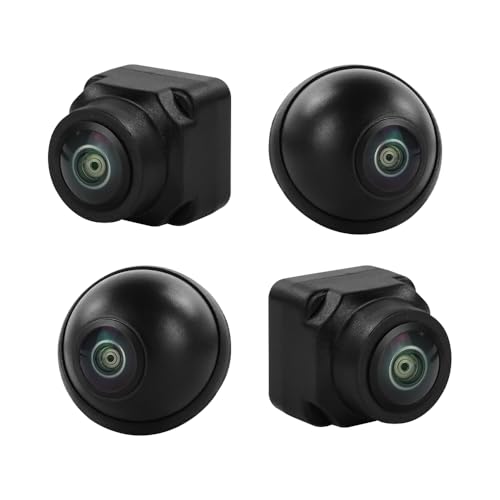
The MekedeTech DUDUAUTO 360° panoramic camera emphasizes seamless panoramic vision around the vehicle, delivering 1080P AHD footage. It is noted to work with DUDUAUTO head units, which suggests a specific ecosystem compatibility. For drivers who prioritize high-definition capture from multiple angles and integration into compatible Android-based head units, this option can offer a clean, cohesive viewing experience. While it provides a full surround view, its compatibility caveat is an important factor—check your head unit before committing to this system.
Strengths include HD video clarity and a straightforward multi-camera arrangement that expands situational awareness during lane changes, parking, and in tight spaces. Because it is tailored to certain head units, installation planning should include a review of the vehicle’s audio/video harness and any required adapters. This system serves as a strong choice for those who already use MekedeTech’s ecosystem or have compatible Android radios in their vehicle.
VANTRUE E360 Panoramic 2 Channel Dash Cam

The VANTRUE E360 stands out for its expansive 420-degree field of view and interior camera integration. It records front and inside perspectives with dual STARVIS 2 sensors and dual infrared night vision, ensuring visibility during both day and night. The system is designed to deliver a continuous, true full coverage view—capturing the road ahead and cabin details to reduce blind spots and provide comprehensive evidence in incidents. A touchscreen, voice control, GPS, and parking mode enhance usability, while a 1TB storage option supports long deployments without frequent offloads.
Key considerations include the balance between outdoor frontal clarity and interior detail, as well as the storage capacity needed for extended dash cam usage. The dual-lens approach is particularly helpful for rideshares, fleet vehicles, or family cars where cabin monitoring is valuable. Installers should verify power delivery, GPS performance, and whether the dashboard screen supports desired overlays and map views.
aqxreight 360 Car Camera System

The aqxreight 360 Car Camera System emphasizes complete surround view with a focus on Android Auto radio compatibility. It highlights night vision and a robust IP68-rated housing for weather resistance, including protection during rain or car washes. The package aims to deliver a straightforward installation pathway for Android Auto radios and a practical, user-friendly interface on compatible displays. This option suits drivers seeking an integrated infotainment experience with an emphasis on reliable all-weather performance and simple setup.
While it offers broad compatibility and strong night vision, prospective buyers should confirm the exact camera counts and whether the mountings align with their vehicle’s interior layout. For those who already rely on an Android-based head unit, this system provides a cohesive upgrade path to panoramic surveillance without extensive software configuration.
ROVE R2-4K Dual Dash Cam

The ROVE R2-4K Dual Dash Cam offers a robust 4K front camera and a 1080P rear camera with a 150° front and 140° rear field of view. Its Sony STARVIS 2 sensor and large aperture contribute to strong night performance and clear daytime recordings. App-based control supports fast, wireless management for reviewing footage and configuring settings, with 24-hour parking mode to capture incidents when the vehicle is parked. A 128GB card is included with some bundles, supporting immediate usage out of the box.
Considerations include ensuring the ROVE app compatibility with your smartphone and whether the 4K front resolution aligns with your storage capacity and hardware capabilities. This system is well-suited for drivers who want high-resolution road footage, quick app access, and dependable parking surveillance in a single, well-supported package.
Buying Guide: Key Considerations for Panoramic Car Camera Systems
Choosing a panoramic or 360-degree car camera system involves balancing hardware capabilities, vehicle compatibility, and local installation realities. The following considerations help compare options across the market:
- Coverage and camera count: Systems vary from 3 to 4-camera arrays with different focal ranges. Look for 170° or wider angles per camera to minimize blind spots, and consider whether interior or cabin cameras are included for comprehensive coverage.
- Resolution and video quality: 1080p is common for interior and outdoor views, while higher-end sets offer 4K for front-facing recordings. Consider how much detail you need for license plates, incident evidence, and day versus night performance.
- Night vision and lighting: Night vision capabilities and infrared (IR) illumination significantly impact visibility in low-light conditions. STARVIS sensors and IR options enhance clarity in challenging lighting.
- Weather resistance: IP ratings (IP66, IP68, IP69K) indicate weather durability. IP68/69K devices perform better in rain, car washes, and dust-heavy environments.
- Display integration: Some systems pair with existing infotainment displays or specific head units, including Android Auto radios. Confirm compatibility with your car’s screen and electrical system before purchase.
- Storage and data management: Dash cams often rely on microSD cards; some bundles include large cards. Check loop recording features, overwriting settings, and how footage is archived or downloaded via apps.
- Installation effort: Some kits require professional installation, especially if mounting side cameras or integrating with a head unit. Balance cost of installation with desired performance and aesthetics.
- Reliability and support: Look for warranty terms, seller support, and firmware updates. A well-supported system reduces the risk of obsolescence and compatibility issues over time.
- Power and wiring: Systems vary from simple plug-and-play to more involved wiring harnesses. Assess your vehicle’s electrical access and whether you’re comfortable with under-dash or roof-line routing.
When evaluating choices, consider your typical driving environment—urban streets with tight spaces, highways with higher speeds, or family vehicles where cabin monitoring adds safety. A panoramic system with reliable night vision and robust weather resistance is generally a better long-term investment for most American drivers.