Finding the right RV chassis battery setup involves balancing durability, compatibility, and ease of installation. This guide highlights five dependable options that cover AGM, LiFePO4, and rugged battery boxes designed for RVs, campers, and trailers. Each pick brings a focus on safety, monitoring, and simple integration with common power systems. Use the summary below to compare core strengths, then dive into detailed product insights to help inform your purchase decisions.
| Product | Brand | Key Strength |
|---|---|---|
| Deka 9A34R AGM Intimidator Battery | Deka | Robust AGM performance for RV power needs |
| NOCO Snap-Top BG31 Battery Box | NOCO | Secure, rugged enclosure with easy mounting |
| 48V 100Ah LiFePO4 EconomiPower Battery | EconomiPower | Smart monitoring with CAN/RS485 and Bluetooth |
| Camco Double Battery Box | Camco | Two-battery capacity in a corrosion-resistant shell |
| POWO Carlife Battery Box | POWO Carlife | Waterproof, compact battery box with fast charging options |
Deka 9A34R AGM Intimidator Battery
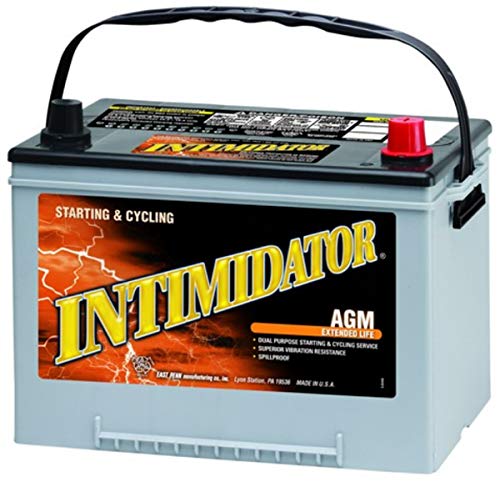
The Deka 9A34R AGM Intimidator Battery is designed for heavy-duty RV use, delivering reliable deep-cycle performance in a compact AGM package. Its sealed lead-acid design minimizes maintenance while offering steady runtime for lights, fans, and basic mechanical systems. This model suits trailers and motorhomes that rely on steady, long-lasting power with safe, spill-resistant operation. Pairing with an appropriate charging strategy, it can be a dependable backbone for a chassis battery setup in mid-to-large RVs.
Key features include a robust AGM construction and a reputation for durable performance under typical RV load profiles. It’s compatible with standard RV charging systems and does not require venting in most installations, making it a straightforward upgrade for older chassis batteries.
NOCO Snap-Top BG31 Battery Box

The NOCO Snap-Top BG31 Battery Box is built to house Group 24–31 batteries used in marine, automotive, RV, and travel trailer applications. It emphasizes structural rigidity, simplified mounting, and a secure snap-top design that aids in quick installation. The rugged enclosure supports heavy-duty use and helps protect chassis batteries from the elements and incidental damage during travel.
Its features include compatibility with a wide range of 12V batteries and a streamlined installation process, including pre-drilled holes for direct mounting and an optional strap mount system for demanding installations. This box is a practical upgrade when your RV’s chassis battery needs a safer, more organized housing solution.
48V 100Ah LiFePO4 EconomiPower Battery
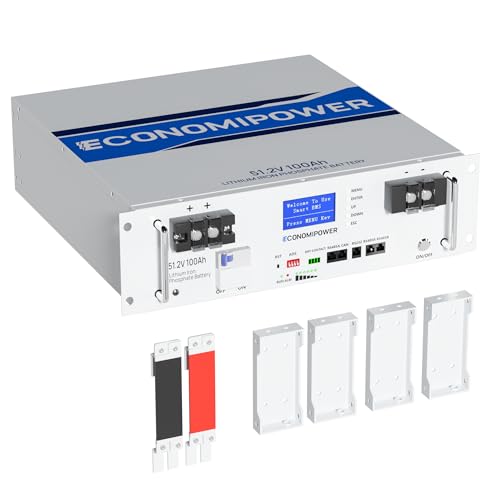
This EconomiPower 48V 100Ah LiFePO4 battery targets home energy storage and RV/off-grid use, featuring CAN and RS485 communication for inverter compatibility. Real-time monitoring via built-in screen and Bluetooth shows state of charge, voltage, temperature, and current. A 100A BMS provides protection against common faults, with safety-focused features ideal for multi-battery setups in RVs and solar-integrated systems.
Key advantages include easy integration with solar inverters and remote monitoring, plus dual-terminal design for flexible connections. The system supports CAN/RS485 communications, which is helpful for complex RV power management or integration with a vehicle’s diagnostic ecosystems.
Camco Double Battery Box
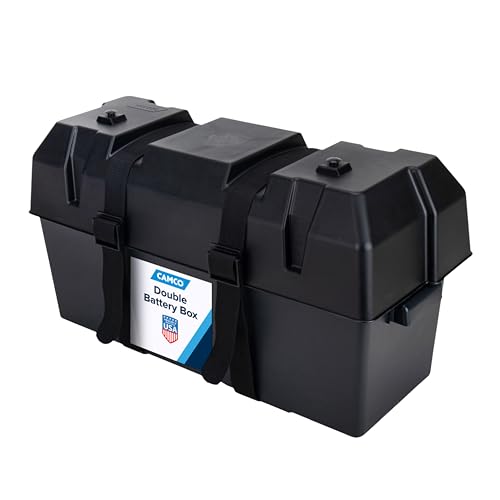
The Camco Double Battery Box is designed to securely house two batteries in a compact enclosure. Its heavy-duty, corrosion-resilient polymer construction protects batteries in rough RV environments, making it a practical choice for tandem battery configurations used to extend chassis power for larger rigs. The interior space and dimensions accommodate standard 6V or 12V setups commonly used in RVs.
With safe, durable design and interior dimensions tailored to dual battery installations, this box helps organize power components and reduces the risk of damage from vibration or exposure. It’s a solid option for RVers who need extra capacity without sacrificing protection or ease of maintenance.
POWO Carlife Battery Box

The POWO Carlife Battery Box is a compact, waterproof enclosure designed for 12V systems and smaller battery chemistries. Its dual QC3.0 ports offer fast charging support, and the box is sealed against water and dust—an important consideration for outdoor RV setups. It is particularly suitable for portable or auxiliary power needs, including lifepo4 packs and smaller lead-acid variants used in RVs and boats.
Noteworthy is the emphasis on waterproof sealing, sturdy construction, and compatibility with lifePO4 batteries in compact configurations. The box supports easy connections for quick deployment in chassis or auxiliary power arrangements, preserving space inside smaller RVs or glamping trailers.
Buying Guide — Key Purchase Considerations for RV Chassis Batteries
- Battery chemistry and compatibility: AGM, flooded, and LiFePO4 each offer different cycle life, weight, and charging characteristics. LiFePO4 provides longer life and better safety, but requires compatible BMS and charging profiles. Match battery type to your RV’s existing charging system and inverter/solar setup.
- Chassis integration: Ensure the battery’s footprint fits your vehicle’s engine bay or underbody space. Consider mounting options, vibration resistance, and accessibility for maintenance or replacement.
- Battery management and monitoring: Built-in BMS features (overcharge, over-discharge, short-circuit protection) improve safety and longevity. Real-time monitoring via Bluetooth or CAN/RS485 helps manage state of charge and health alongside solar or shore power integrations.
- Safety and enclosure: Weatherproof, dustproof, and corrosion-resistant enclosures protect batteries from the elements and road debris. Snap-top or secure locking designs can simplify installation and daily usage in RV environments.
- Power needs and runtime: Assess the RV’s typical load, including lighting, refrigeration, fans, and electronics. For larger rigs, dual batteries or LiFePO4 packs with a robust BMS can support longer outings without frequent recharging.
- Upgrade path and future-proofing: Consider whether the installation allows additional batteries or a broader solar system upgrade. Boxes and enclosures that support multiple batteries or easy expansion are advantageous for evolving power needs.
- Maintenance and warranties: AGM and LiFePO4 options vary in maintenance needs and warranty terms. Confirm service availability, replacement policies, and compatibility with your vehicle’s charging regime to minimize downtime.
- Installation ease: Pre-drilled mounting holes, simple straps, and minimal wiring complexity reduce installation time and risk. For off-road or rugged use, look for sealed enclosures and impact-resistant materials.
- Price-to-value balance: While LiFePO4 systems can have higher upfront costs, their longer life and better efficiency may offer greater total value over time for frequent travelers and larger RVs.