Choosing the right semi-synthetic engine oil can extend engine life, improve performance, and help with fuel economy. This guide highlights top semi-synthetic options from trusted brands, emphasizing compatibility, protection, and ease of use for American drivers. The selections include two‑cycle oils for small engines and conventional full‑synthetic blends for cars and ATVs. Read on to compare features and decide which fits your engine best.
| Product | Brand | Volume / Size | Type |
|---|---|---|---|
| Lucas Oil 10115 Semi-Synthetic 2-Cycle Motor Oil | Lucas Oil | 1 gallon | Semi-synthetic, two-cycle |
| Lucas Oil 10059 Semi-Synthetic 2-Cycle Motor Oil | Lucas Oil | 6.4 oz | Semi-synthetic, two-cycle |
| Lucas Oil 10720 Semi-Synthetic SAE 10W-40 ATV Engine Oil | Lucas Oil | 1 quart | Semi-synthetic, four-stroke |
| Valvoline High Mileage with MaxLife Technology SAE 5W-30 | Valvoline | 5 qt | Synthetic blend |
| Valvoline Advanced Full Synthetic SAE 0W-20 | Valvoline | 5 qt | Full synthetic |
Lucas Oil 10115 Semi-Synthetic 2-Cycle Motor Oil

Designed for oil-injected systems or premix up to 50:1, this Lucas semi-synthetic two‑cycle oil balances mineral and synthetic components to deliver cleaner combustion and reduced smoke. The low-ash additives help minimize carbon buildup, making it suitable for a variety of small engines, generators, and outdoor power equipment. The mix flexibility supports both newer and older units, aiding easy seasonal storage and maintenance.
Key considerations: compatibility with two‑cycle engines and premix applications, smokeless formula, and a blend that improves lubrication under varied temperatures. Users should follow manufacturer guidance for proper oil-to-gas ratios and observe any OEM recommendations for specific equipment models.
Lucas Oil 10059 Semi-Synthetic 2-Cycle Motor Oil

This 6.4-ounce bottle provides a premix-friendly option specifically designed to simplify two‑cycle engine operation. It includes pre-dilution features that facilitate mixing with gasoline at any temperature and helps prevent exhaust port blocking, contributing to smoother startup and consistent power delivery. Adhering to engine manufacturer recommendations remains the primary guideline for optimal results.
What to know: this oil is intended for two‑cycle engines and should be used in the correct premix or injection system ratio. Keeping a consistent mix ratio supports reliable lubrication and reduces sludge formation in older units or variable climate conditions.
Lucas Oil 10720 Semi-Synthetic SAE 10W-40 ATV Engine Oil
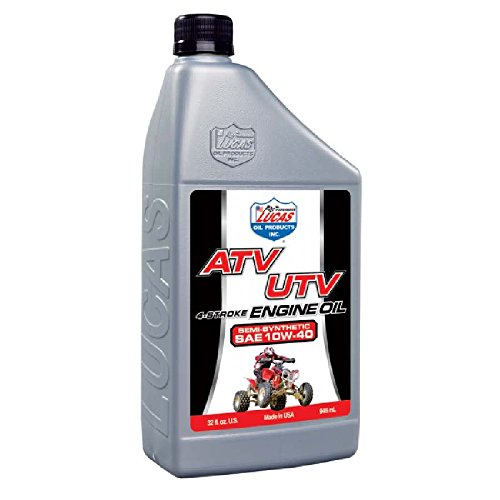
Lucas offers a semi‑synthetic 10W-40 ATV oil formulated for four‑strokes in ATVs and similar power sports machines. The product packaging includes dimension and origin details, underscoring its readiness for rugged operating environments. This oil is designed to balance protection against wear, while maintaining proper viscosity across temperature ranges typical of all-terrain use.
Practical notes: ensure the oil grade matches your ATV’s manual and that the product is appropriate for the engine’s current mileage and load. Routine oil changes at scheduled intervals maximize engine longevity in off‑road and recreational applications.
Valvoline High Mileage with MaxLife Technology SAE 5W-30
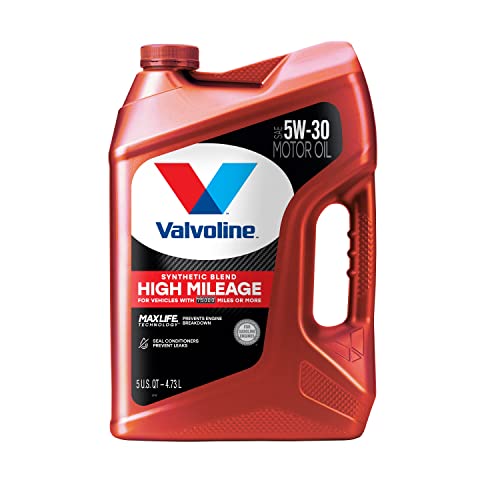
Designed for engines with higher mileage, this Valvoline blend includes MaxLife technology and seal conditioners to reduce oil consumption and leaks. The formulation emphasizes detergents that prevent sludge, corrosion, and rust, contributing to cleaner internals and smoother operation. It aims to extend engine life without requiring a move to full synthetic, offering a balance of performance and economy.
Considerations: for older engines, check the vehicle manual for compatibility and consider the oil’s ability to protect seals and minimize leaks. This product is a good option when a semi-synthetic approach is preferred with extended intervals between changes.
Valvoline Advanced Full Synthetic SAE 0W-20

Valvoline’s 0W-20 full synthetic offers robust protection against wear, heat, and deposits. It claims enhanced wear protection and deposit defense compared with industry standards, supporting smoother starts and better fuel efficiency. While not a semi-synthetic, it remains a top option for drivers seeking high endurance and clean engine interiors in modern engines that specify 0W-20 viscosity.
Key points: verify vehicle compatibility with the OEM spec, monitor oil levels, and consider using a full synthetic when chasing maximum protection for high‑performance or high‑mileage engines that require this viscosity.
Lucas Oil Semi-Synthetic 2-Cycle Oil/12×1/16 Ounce
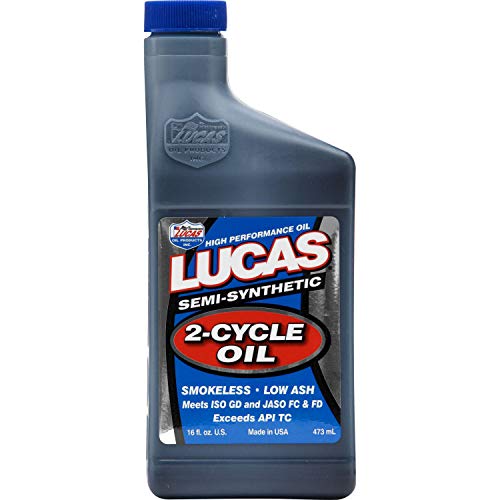
This mixed package emphasizes small‑volume bundles for multiple two‑cycle engines, supporting convenient stock‑up for seasonal equipment use. It aligns with semi‑synthetic formulations designed to deliver reliable lubrication across gas‑air mixtures and varying temperatures. The packaging notes practical attributes such as country of origin and standard dimensions for inventory planning.
Practical takeaway: use the appropriate premix ratio for each machine and maintain a consistent supply for brushes, trimmers, and other light‑duty two‑cycle applications. Ensure compatibility with equipment by consulting the owner’s manual for recommended oil type and ratio.
Buying Guide: Semi-Synthetic Engine Oil Considerations
- Engine type and compatibility: Two‑cycle vs. four‑stroke engines require different oil types and mixing ratios. Read the operator’s manual to confirm whether a semi-synthetic blend is recommended for your model.
- Viscosity and climate: Thicker grades like 10W-40 suit warmer climates and higher load demands, while 0W-20 and other low-viscosity options work well for cold starts and modern engines with strict efficiency targets.
- Wear protection and deposits: Semi-synthetics typically balance wear protection with cost. Look for additives that reduce deposits, sludge, and rust, especially in high‑mileage engines or equipment used in dusty environments.
- Seal conditioners and leaks: For older engines, formulas with seal conditioners can reduce leaks and oil consumption. Evaluate whether the long‑term benefit justifies the switch from conventional or full synthetic.
- OEM guidelines and maintenance: Always align oil choice with manufacturer recommendations. Some engines require specific viscosities or additive packages to maintain warranties and performance.
- Storage and shelf life: Two‑cycle oils in premixed formats should be kept sealed and away from extreme heat. Plan ahead to avoid stale fuel blends that can impact lubrication.
- Cost vs. performance: Semi-synthetic options strike a balance between cost and protection. For high‑duty engines or cold climates, a fully synthetic option may offer superior protection, albeit at a higher price.
- Availability and packaging: When stocking multiple machines, bundles or smaller containers can simplify maintenance schedules. Consider products available in compatible sizes for your fleet of equipment.