Choosing the right small motor for a bicycle requires balancing power, weight, compatibility, and installation ease. This article highlights five compact motors and conversion kits well-suited for transforming a standard bike into a capable pedal-assisted ride or small electric scooter. Each option offers different power levels, mounting styles, and accessory packages to fit urban commutes, recreational rides, or DIY projects. Compare features, installation notes, and performance to determine the best fit for your riding needs.
Product Summary
- FONSOLUM Electric Bicycle Motor Kit (24V, 250W)
- AW Electric Bicycle Motor Kit (48V, 1000W, 26″ front wheel)
- OLKKEFT 48V 1000W Front Wheel Conversion Kit
- Xlsdlvcnxz 100CC Gas Motorized Bicycle Kit (DIY conversion)
- LELEKUAI Electric Bike Kit (560W, folding, 48V)
FONSOLUM 24V 250W Bicycle Motor Kit

Kit Includes: 24V 250W DC Motor, Chain, Freewheel, Freewheel Adapter, Motor Controller, Mounting Plate, Accelerator Handle, Left Handle Sleeve, and all assembly accessories. Wide compatibility fits 16-28 inch wheels on most e-bikes, scooters, and DIY projects. Made from aluminum, iron, and copper with a baking-painted finish for durability. This kit emphasizes portability and straightforward installation, ideal for hobbyists seeking a compact, lightweight conversion option.
AW 48V 1000W Front Wheel Kit
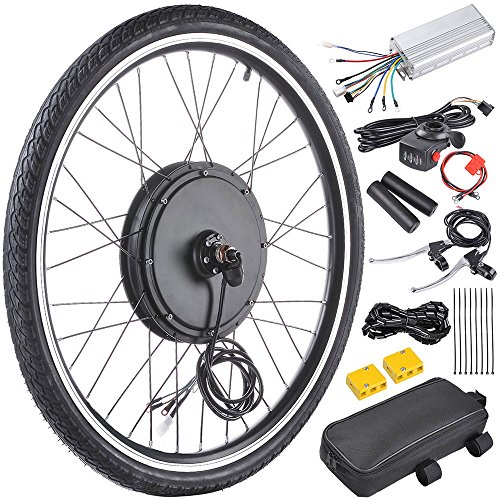
Features a 48V 1000W brushless hub motor designed for front-wheel installation, delivering up to 45 km/h (about 28 mph) and a noiseless ride. The aluminum alloy frame adds durability and supports riders up to 220 pounds. Throttle indicators show battery status, helping prevent unexpected shutdowns. Compatible with most 26″ bicycles that use either disc brakes or V-brakes, making it a versatile choice for urban commuters and weekend riders.
OLKKEFT 48V 1000W Bicycle Conversion Kit

Offers a robust 1000W brushed DC motor with ample torque for conquering hills and headwinds. The kit emphasizes load capacity and stability, supporting riders up to 264 pounds. Equipped with a user-friendly throttle and adjustable speed, it is designed to convert ordinary bicycles into efficient electric riders. Compatibility spans many 26″ frames, including both disc brake and V brake configurations, aligning with common aftermarket standards.
Xlsdlvcnxz 100CC Gas Bicycle Engine Kit

A compact 100cc 3.5HP gas motor kit designed for DIY bicycle propulsion. It features a small-loss chain drive, air-cooled design, and a 0.52-gallon fuel tank for extended operation between fills. This option is suited for riders seeking gasoline-powered propulsion and a traditional engine sound, offering a different experience from electric conversions and requiring more mechanical assembly and maintenance knowledge.
LELEKUAI 560W Folding Electric Bike Kit

Compact and practical for urban commuters, this folding E-bike kit uses a 560W motor and a 48V system to deliver steady power for city streets. It includes three-level pedal assist and dual disc brakes for reliable stopping power. The kit is especially suitable for smaller folding bikes and riders seeking a lightweight, portable conversion with a focus on everyday usability.
Buying Guide
Key considerations when choosing a small bicycle motor or conversion kit:
- Motor Type and Power: Electric kits commonly use brushed or brushless DC motors. 250W to 1000W are common ranges for street-legal, neighborhood, and light off-road use. Gas engines offer higher power but require more maintenance and regulatory attention.
- Voltage and Battery Compatibility: Higher voltage systems (36V, 48V, 52V) typically deliver more torque and top speed. Ensure your bike frame, fork, and wheels can handle the upgrade and that the battery size fits your riding range goals.
- Wheel Compatibility: Most kits target 16-28 inch wheels. Front-wheel kits are typically easier to install, while rear-wheel kits can provide balanced traction and power distribution.
- Braking and Safety: Upgrading to motorized propulsion may necessitate improved braking, better tires, and sometimes disc brakes for greater stopping power on steeper grades.
- Weight and Load Capacity: Heavier motors increase the bike’s overall weight. Check the rider weight limit and the kit’s mounting strength to avoid frame strain.
- Installation and Tools: Some kits require soldering, wiring, and alignment with standard bike components. DIY enthusiasts should assess tool availability and skill level before purchasing.
- Regulatory Compliance: Local laws may govern motor power, speed, and usage on public roads or bike lanes. Ensure the configuration complies with regional regulations to avoid penalties.
- Support and Documentation: Look for kits with clear installation guides, customer support, and warranty coverage to reduce risk during setup and operation.
When evaluating options, compare the kit’s torque, throttle modes, and whether it includes accessories like mounting plates, controllers, and protective hardware. If you plan frequent highway-style riding or steep climbs, higher-power kits with robust controllers may provide the most consistent performance. For casual city commuting, lighter kits with straightforward installation and reliable regenerative capabilities may be more suitable.