Choosing a solar charging station that can supplement EV charging or power off-grid needs requires evaluating capacity, reliability, and compatibility. This guide highlights five top solar-ready power stations and bundles, each with strong performance, safety features, and versatile outputs. Whether you’re preparing for home backup, camping trips, or vehicle charging, these picks offer solid endurance and flexible charging options.
The following table summarizes the five selected products, emphasizing capacity, output options, and notable strengths for quick comparison.
| Product | Brand | Key Strengths |
|---|---|---|
| Solar Powered Generator 200W Peak/100W Rated | Apowking | Includes 40W solar panels, 146Wh capacity, 7 outputs |
| VTOMAN Jump 600X Portable Power Station | VTOMAN | Car jump start port, expandable capacity, 600W continuous power |
| EF ECOFLOW DELTA Pro | EF ECOFLOW | High capacity 3600Wh, multiple outputs, scalable with extra batteries |
| ALLWEI LiFePO4 Solar Generator 1200W | ALLWEI | Fast charge kit, LiFePO4 battery, multi-port outputs |
| GROWATT HELIOS 3600W Solar Generator | GROWATT | High output, scalable for whole-house use, multiple outputs |
Apowking Solar Powered Generator 200W Peak

The Apowking portable solar generator blends a compact power station with integrated solar panels. It delivers 146Wh of capacity and 7 outputs, including two 110V AC outlets (200W peak), USB-A ports, USB-C, and a 12V DC output. The included 40W solar panel boosts daytime charging, and the system emphasizes portability with a weight around 3.3 lb. This setup is suited for charging laptops, phones, cameras, drones, and small home devices during camping, emergencies, or power outages. The high conversion efficiency of the mono-crystalline cells supports better performance in variable light.
Its 7-output configuration enables concurrent charging of multiple devices, making it a practical move for short road trips or as a compact backup for essential electronics. While not designed to replace a full home or EV charger, it offers dependable off-grid power for critical devices when sunlight is available. The portability and panel-inclusive design simplify setup for on-the-go charging scenarios.
VTOMAN Jump 600X Portable Power Station

The VTOMAN Jump 600X pairs a 299Wh LiFePO4 power unit with a built-in car jump-start port, addressing roadside emergencies and outdoor adventures in one device. It supports 600W continuous power (1200W surge) across two AC outlets and includes PD 60W USB-C plus several DC outputs. A standout feature is expandable capacity, allowing an optional extra battery to reach up to 939Wh, which helps meet longer trips or more demanding loads. The LiFePO4 chemistry offers long cycle life—roughly thousands of cycles—before degradation.
Ideal for campers, RV travelers, and as a vehicle auxiliary, this unit provides reliable power for small appliances, charging laptops, or keeping essential devices alive during outages. The device’s emphasis on both mobility and versatility—especially with its ready-to-use car jump-start capability—sets it apart for users who want a single solution for on-road and off-grid needs.
EF ECOFLOW Delta Pro Portable Power Station
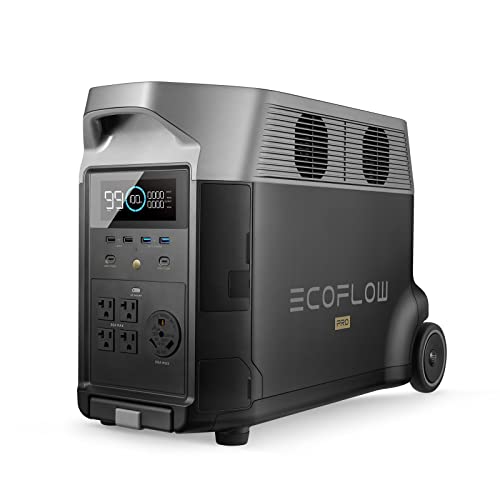
The Delta Pro from EF ECOFLOW is designed for heavy-duty use, offering 3600Wh of LiFePO4 capacity and a rich array of outputs, including multiple AC outlets, USB-C, USB-A, DC, and a car power port. It supports 4500W with Watt+ and can be paired with extra batteries or Smart Generators to scale up to 25kWh, making it suitable for whole-home backup or extended off-grid living. The Delta Pro is built for flexibility in charging—solar input, wall charging, and hub-style connectivity—appealing to users seeking a high-end, scalable solution for home, RV, or emergency power.
Additionally, it integrates several charging methods and a broad mix of outputs to power diverse devices, from home appliances to high-demand electronics. Its capability to handle simultaneous loads makes it a strong centerpiece for a more resilient energy setup, though the larger size and higher price reflect its premium positioning.
ALLWEI LiFePO4 Solar Generator 1200W

The ALLWEI kit pairs a 1200W LiFePO4-based power station with a 400W solar panel, offering a total quick-charge path to power essentials for camping, RVing, or emergencies. The LiFePO4 chemistry promises long cycle life and improved thermal stability. Its 700W-AC input via PPS technology enables rapid recharge, including a 1.5-hour fast-charge claim in certain modes. The setup emphasizes portability with a compact footprint, while the 400W panel provides daytime charging capacity for partial off-grid use. The system includes multiple AC outlets and DC options to support a range of devices.
For users prioritizing longevity and safety in off-grid scenarios, ALLWEI’s LiFePO4 solution presents a balanced option with relatively quick recharge times and robust power delivery for essential loads during outages or outdoor adventures.
GROWATT HELIOS 3600W Solar Generator

The GROWATT HELIOS 3600W system targets home backup and larger outdoor deployments with a 3686Wh LiFePO4 battery and 3600W continuous output (up to 4500W with Watt+). Its architecture supports whole-home energy needs, RVs, or emergency power during outages. With 16 configurable output ports and the potential to scale to a multi-unit setup (with appropriate connectors), it offers robust versatility for users seeking substantial capacity and reliability. The system is designed for queue-free operation during frequent load surges and can integrate into a larger energy plan with transfer switches or external batteries.
For homeowners seeking a scalable, high-capacity solution or frequent travelers needing reliable off-grid power, the Helios 3600W delivers a strong balance of capacity, flexibility, and expandability, making it one of the more capable options in this category.
Buying Guide: Key Purchase Considerations
- Capacity vs. need: Assess total watt-hours (Wh) and continuous watts (W) to determine how long you’ll power your essential devices. For EV charging hints, consider whether the unit’s output suffices for your targeted devices or if expansion is needed.
- Battery chemistry: LiFePO4 batteries offer longer cycle life and better safety in larger units, while standard lithium-ion cells provide higher energy density in lighter devices. Choose based on lifespan expectations and climate conditions.
- Output options: Ensure the unit provides the required mix of AC, USB-C, USB-A, and 12V outputs to cover laptops, phones, cameras, and any camping gear. Check the number and type of AC outlets if you plan to power multiple devices at once.
- Solar compatibility: If you intend to use solar panels, verify panel compatibility, max input wattage, and whether the kit includes panels or requires separate purchase.
- Expandability: For future-proofing, look for models that allow extra batteries or modular components to increase capacity when needed.
- Portability and weight: Lighter units are easier to carry on trips, whereas larger setups suit home backup. Consider your typical use case and transport needs.
- Safety and certifications: Look for UL/ETL certifications and features like overcharge protection, short-circuit protection, and temperature management to ensure reliable operation in varied conditions.
- Tax incentives and rebates: Some models offer eligibility for tax credits or utility rebates, which can affect overall cost of ownership in regions with solar incentives.
In evaluating these options, consider not only the raw power but also how each system aligns with your typical use—emergency backup at home, mobile camping power, or occasional EV charging support. A modular approach, prioritizing expansion potential and a robust safety profile, can deliver greater long-term value for American households seeking dependable, solar-assisted power.