Van life and off‑grid adventures demand reliable, efficient solar power in compact, adaptable packages. This guide reviews five high‑performance solar panels optimized for vans, campers, and RV roof mounts. We compare size, weight, efficiency, and mounting versatility to help you choose the best fit for your roof space and electrical needs.
Summary of selected products:
- Callsun N-Type 16BB 400W Panel Duo (200W x 2) – 25% efficiency, bifacial capability, anti‑shade design
- Renogy Solar Panels 200W N-Type (24V) – compact footprint, 25% efficiency, flexible installation
- HQST 200W Mono Panel – 25% efficiency, low-light performance, rugged IP65
- Renogy Flexible 200W Panel – ultra‑light, 240° bendability, PERC technology
- Callsun Flexible 200W Panel Kit – 23% efficiency, ETFE, IP68 waterproofing, 182 PERC cells
Callsun N-Type 400W Dual 200W Panels for Vans
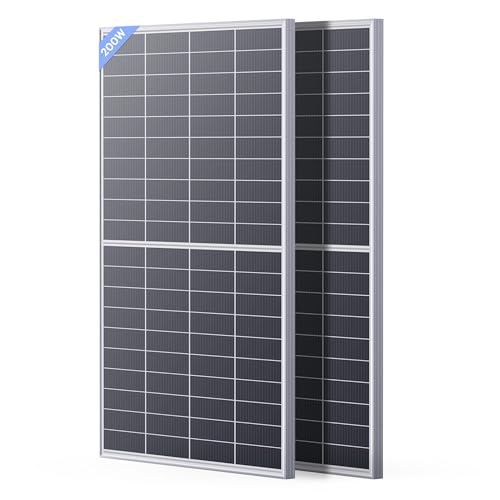
Callsun offers a compact 2‑panel setup totaling 400W, featuring N-type 16BB high‑efficiency cells. N‑type cells deliver higher power output and better reliability, with a 25% conversion efficiency target. The 16BB busbar design minimizes hot spots and cracks, extending lifespan and performance in off‑grid environments. The kit’s bifacial technology lets light reach the backside through a transparent backsheet, potentially boosting overall energy output by up to 30% under favorable conditions. An innovative TwinCell anti‑shade approach divides the panel into two halves, so shade on one half doesn’t drop energy from the entire array. This makes the Callsun duo well suited to van installations where partial shading from vents, vent pipes, or roof racks is common.
Key considerations for this option include its 200W per panel output and the added efficiency from bifacial capabilities. The dual panels provide a straightforward path to a 12V or 24V system, depending on your battery bank. It’s a robust choice for larger roof spaces or for upgrading an existing system that needs more continuous current, especially when shading is a concern on curved van roofs.
Renogy 200W N‑Type Solar Panel (24V)

Renogy’s 200W N‑Type panel is designed for vans and other compact installations, with a 24V design that minimizes current loss and increases overall system efficiency. It’s 7.5% smaller and 11.7% lighter than previous generations while delivering the same power, making it ideal for Class B vans with tighter roof spaces. The 25% cell efficiency is supported by 16BB cell architecture, which helps reduce microcrack risks and maintain strong performance in high temperatures. The 24V configuration improves compatibility with higher‑voltage battery banks, offering flexible installation options for both 12V and 24V systems. If you anticipate mounting constraints or desire a balance of weight and power, this Renogy panel is a solid, reliable choice.
Shading, mounting, and weather resistance are practical considerations here. The compact size and lighter frame ease roof mounting, while the 16BB architecture provides resilience against hot spots. The panel’s versatility makes it suitable for solo use or as part of a larger, multi‑panel van solar array.
HQST 200W Monocrystalline Panel

HQST delivers a 200W monocrystalline module with 25% efficiency using Grade A+ cells and a robust IP65 rating for weather resistance. Its design emphasizes space efficiency—reducing the need for multiple smaller panels while maintaining strong output. Low‑light performance is enhanced by PERC (Passivated Emitter and Rear Cell) technology, which improves energy capture under cloudy or partial shade conditions. Built with bypass diodes to prevent overheating in shade, HQST panels help maintain power availability as driving routes encounter varying light exposure. This panel suits vans seeking a reliable, mid‑size solution that balances performance with a straightforward installation process.
In practical terms, the HQST 200W panel offers a reliable balance of size, weight, and efficiency. It’s well suited for roof installations where a single larger panel can replace several smaller units, and for users who prioritize consistent output in mixed sunlight conditions common on road trips.
Renogy Flexible 200W Panel

Renogy’s 200W flexible panel is designed for curved roofs and situations where weight and wind resistance are critical. The panel is bendable up to a 240° radius and weighs about half the weight of rigid panels, making it a strong candidate for van roofs with complex contours. The flexible form is complemented by half‑cut PERC cell technology to improve light capture and electrical performance, delivering around 22–25% efficiency depending on conditions. Its flexibility makes it ideal for roof designs with irregular shapes, or where mounting hardware needs to avoid protruding frame edges. For van dwellers seeking stealth and versatility, the Renogy flexible panel offers a compelling combination of portability and performance.
Consider installation challenges: flexible panels require proper bonding and weatherproofing on non‑rigid surfaces. They excel when used with lightweight roof racks or adhesive mounting, but they may be less forgiving on extremely rugged roads if not properly secured. If your roof shape is highly curved, this panel’s adaptability can maximize usable solar surface without sacrificing strength.
Callsun Flexible 200W Panel Kit

This Callsun kit focuses on flexibility and durability, featuring 182 PERC cells and 23% efficiency. The panel uses ETFE material for long‑lasting resilience against environmental exposure and abrasion. It’s IP68 waterproofed, which adds confidence for off‑grid camping and travel in variable weather. The 200W capacity is achieved through a semi‑flexible design that can bend to accommodate many roof curves, maximizing usable solar area on vans with non‑uniform roof profiles. The 11‑busbar technology and PERC configuration contribute to improved energy harvesting, particularly under diffuse light or low‑angle sun. This kit is suitable for RV living where lightweight, adaptable panels are preferred and space on the roof is at a premium.
When choosing Callsun’s flexible option, assess installation methods (adhesive vs. mechanical mounting) and ensure a watertight seal around edges and connections. The combination of ETFE and IP68 rating offers robust protection in soggy or dusty environments, which is advantageous for long trips and off‑grid adventures.
Buying Guide: Key Purchase Considerations for Van Solar Panels
Panel Type And Efficiency
Modern van solar panels typically use monocrystalline cells for higher efficiency. In‑van setups benefit from higher efficiency because roof space is limited. Look for 16BB or 11/25BB busbar designs, which reduce resistance and hot spots. N‑type cells can offer better performance in hot conditions and longer lifespans than standard P‑type cells, though they may come at a higher upfront cost.
Rigid vs Flexible Designs
Rigid panels are durable and easy to mount with hardware, but weight and space must be considered. Flexible panels excel for curved roofs and weight reduction, and are ideal for stealth installations or when a low profile is required. However, proper sealing is essential to prevent water intrusion around curved edges. For many van owners, a combination of rigid and flexible panels can maximize solar intake while preserving roof space.
Size, Weight, And Roof Space
Measure roof area and consider the total system you plan to run (fridge, inverter, lights, charging). A 200–400W system is common for mid‑to‑large vans, but weight distribution and mounting hardware should be planned to avoid roof sag and wind load. Lighter, flexible panels can ease installation on surfaces with limited support.
Voltage Compatibility
Most van systems use 12V or 24V battery banks. Panels labeled for 12V or 24V systems handle different charging profiles, and some can be configured in series or parallel to reach the desired voltage. Ensure your charge controller and battery bank match the panel’s output to optimize efficiency and battery health.
Durability And Weather Resistance
Off‑grid use exposes panels to vibration, rain, heat, and dusty conditions. Look for IP ratings, ETFE or tempered glass, and robust frame construction. Bypass diodes and anti‑shade features help maintain performance under partial shading, which is common on vehicle rooftops with vents and skylights.
Installation And Maintenance
Consider ease of installation: pre‑wired kits, plugs, and mounting hardware can save time. Flexible panels require careful surface preparation and proper sealing. Rigid panels may need roof penetrations or brackets. Maintenance is generally low, but periodic checks for loose connections, sealant integrity, and dirt buildup can sustain performance.
Warranty And Support
Check product warranties for panels and components like the charge controller and mounting hardware. A solid warranty reflects engineering confidence and can reduce future maintenance costs on long trips.