Choosing the right sound deadening foam for your vehicle can dramatically reduce road noise, engine rumble, and heat transfer. This guide highlights five strong options that balance performance, ease of installation, and value. Each product below is designed to block radiant heat and dampen vibrations, helping you enjoy a quieter, more comfortable cabin in any weather.
| Product | Foam Type | Coverage | Key Benefit |
|---|---|---|---|
| Siless Liner 157 (4 mm) 36 sqft | Closed-cell PE foam | 36 sq ft | Excellent heat blocking and moisture resistance |
| VOISEN 157 MIL (4 mm) 36 sqft | Closed-cell PE foam | 36 sq ft | Three-layer design with strong heat blockage |
| Siless 80 mil (2 mm) 36 sqft | Butyl-like closed-cell foam | 36 sq ft | High damping for extreme noise reduction |
| Siless Liner 157 mil Aluminum Foil Finish | Closed-cell PE foam with alum foil | 36 sq ft | Additional reflective thermal barrier |
| AggSound 157 mil (4 mm) 18 sqft | Closed-cell foam | 18 sq ft | Strong heat and vibration insulation in smaller areas |
Note: All products above are designed for automotive use, offering a balance of heat resistance, vibration dampening, and moisture protection. Each option has its own installation benefits, thickness, and coverage to fit different vehicle layouts and budgets.
Siless Liner 157 (4 mm) 36 Sq Ft
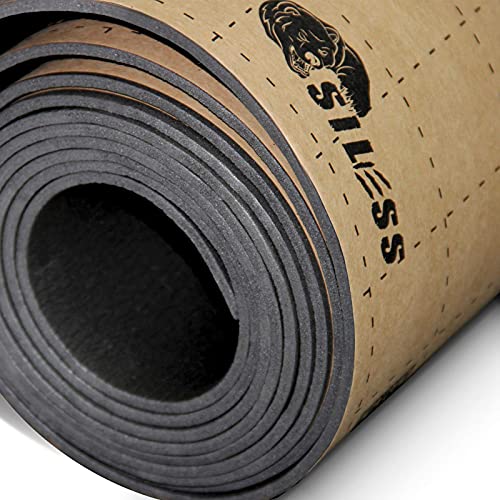
Siless Liner uses closed-cell polyethylene foam with a waterproof adhesive layer, delivering oil and water resistance along with thermal protection. The 4 mm thickness provides strong vibration dampening and a thermal barrier that helps keep engine heat from transferring into the cabin. It is lightweight, flexible, and easy to install with or without a roller. The product is priced to offer substantial value relative to similar materials, making it a popular choice for enthusiasts and DIY installers alike.
VOISEN Sound Deading Material, 157 MIL, 36 Sq Ft

VOISEN’s 4 mm closed-cell foam features a three-layer construction with back glue and back paper for secure installation. It effectively blocks approximately 98% of radiant heat transfer and provides a strong thermal barrier against engine, exhaust, and seasonal heat sources. The material is designed for broad applicability across different car panels, including doors, hoods, trunks, and firewalls, and is suitable for noise reduction and shock absorption. It’s a solid option for those seeking comprehensive heat and sound insulation in a single mat.
Siless 80 Mil (2 mm) Car Sound Deadening Mat

Siless 80 mil features a high-performance damping material designed for automotive use. Its 2 mm thickness stirs a balance of light weight and robust vibration dampening, making it a practical option for enthusiast builds or where space and weight are at a premium. The product emphasizes value without sacrificing damping effectiveness, benefiting loud cabins in trucks or sports cars that require focused noise reduction without a heavy layer of material.
Siless Liner 157 mil Aluminum Foil Finish, 36 Sq Ft

This version combines closed-cell PE foam with an aluminum foil finish, boosting both moisture resistance and heat reflection. The aluminum layer helps reduce radiant heat from the engine bay and exhaust, complementing the foam’s dampening properties. The adhesive backing supports straightforward installation across panels such as doors and firewall, making it a practical upgrade for heat-sensitive cabins and hot climates.
AggSound 157 Mil 18 Sq Ft

AggSound’s 4 mm closed-cell foam is designed for stronger noise and heat insulation in smaller areas or mid-size panels. The self-adhesive backing ensures a firm grip, and the material’s anti-extrusion properties reduce the risk of deformation after installation. This option is well-suited for hood insulation, firewall sections, and smaller compartments where a dense, effective dampening layer is needed without the bulk of larger sheets.
Buying Guide: Key Purchase Considerations
When selecting a sound deadening foam for your car, consider the following factors to make an informed choice:
- Thickness and density: Thicker boards generally dampen more effectively but add weight. Choose between 2 mm, 4 mm, or multi-layer designs based on your comfort with weight and space.
- Heat blocking vs. vibration dampening: Some products emphasize heat reflection (aluminum finish or reflective layers), while others focus on vibration dampening (dense closed-cell foam). For max comfort, a combination approach is often best.
- Moisture resistance: Closed-cell foams resist water absorption, reducing mildew risk in damp environments. Adhesive quality also affects long-term moisture performance.
- Installation method: Self-adhesive backing speeds up installation but requires surface prep for strong adherence. Non-adhesive options might need additional tapes or fasteners.
- Coverage and layout: Plan panels you’ll treat (doors, firewall, hood, trunk). Larger coverage improves overall quietness but may require more material and effort.
- Durability and temperature tolerance: Automotive environments vary in temperature; ensure foam remains flexible and won’t crack under heat cycles.
- Warranty and brand reliability: Reputable brands often offer clearer installation guidance and customer support if you encounter fit or adhesive issues.
Comparison Snapshot
For quick reference, here’s how the featured products stack up on core attributes:
- Best heat blocking: VOISEN and Siless with aluminum finish variants
- Best value per square foot: Siless Liner 157 (4 mm) and 80 mil variants
- Best for small-area coverage: AggSound 18 sq ft option
- Easy installation: All with self-adhesive backing, especially Siless and VOISEN lines
Each option provides a distinct balance of heat resistance, vibration dampening, and ease of installation. Your choice should align with your vehicle’s noise sources, climate, and how much weight you’re willing to add to your build.