Choosing the right sound deadening material for car doors helps reduce road, wind, and engine noise, improving audio clarity and cabin comfort. The following selections include popular 80 mil and 4 mm options known for durability, ease of installation, and strong heat resistance. This guide compares thickness, coverage, and core benefits to help you pick a kit that fits your vehicle and budget.
| Product | Brand | Thickness | Coverage |
|---|---|---|---|
| KILMAT 80 mil 36 sqft | KILMAT | 80 mil (2.0 mm) | 36 sqft |
| KILMAT 80 mil 10 sqft | KILMAT | 80 mil (2.0 mm) | 10 sqft |
| Siless 80 mil (2 mm) 36 sqft | Siless | 80 mil (2.0 mm) | 36 sqft |
| Skar Audio Premium 80mil (2mm) 12 Sq Ft | Skar Audio | 80 mil (2.0 mm) | 12 Sq Ft |
| Siless Liner 157 (4 mm) 36 sqft | Siless | 157 mil (4.0 mm) | 36 sqft |
| VOISEN 157 MIL (4 mm) 36 sqft | VOISEN | 157 mil (4.0 mm) | 36 sqft |
| CUKWUYBY 80 mil 36 sqft | CUKWUYBY | 80 mil (2.0 mm) | 36 sqft |
The table above highlights a mix of thick, highly heat-reflective foil layers and durable butyl cores. Each product is suited to DIY installation and offers varying coverage to fit door panels, trunks, and other areas. Consider your vehicle’s climate, your sound goals, and how much weight you’re willing to add when choosing a kit.
KILMAT 80 Mil 36 Sq Ft Car Sound Deadening Mat

KILMAT 80 mil self-adhesive automotive sound deadening combines butyl core material with an aluminum foil layer. The 80 mil thickness is designed to deliver enhanced vibration dampening and heat resistance, with a self-adhesive backing that simplifies DIY installation. The product is marketed as lightweight yet effective, offering improved performance as thickness increases. Each package delivers a practical balance of coverage and ease of use for door panels, trunks, and other interior sections.
KILMAT 80 Mil 10 Sq Ft Car Sound Deadening Mat

This smaller KILMAT kit uses the same 80 mil butyl/foil technology designed for DIY installation. The 10 square feet of material remains an accessible option for targeting specific door panels or speaker enclosures. The material’s density and adhesive performance aim to deliver consistent dampening across treated areas, helping to minimize rattles and improve overall cabin acoustics.
Siless 80 Mil (2mm) 36 Sqft Car Sound Deadening Mat

Siless VIBRO 80 mil is described as a high-performance damping material for automotive use. It emphasizes a three-layer composition that includes a heat-reflective foil, a damping butyl core, and a user-friendly adhesive backing. The product is positioned as cost-effective relative to similar offerings, aiming to deliver solid noise reduction without a premium price tag, making car door dampening more accessible to enthusiasts and DIY installers.
Skar Audio Premium 80mil (2mm) Door Kit

Pro Series Sound Dampening Door Kit from Skar Audio provides 12 total square feet across four 12″ x 36″ sheets at 2.0 mm thickness. The kit features an aluminum outer layer paired with a butyl inner layer, designed to dampen vibrations and reduce heat transmission. This combination aims to deliver a more controlled acoustic environment inside the cabin while withstanding typical automotive heat and exposure conditions.
Siless Liner 157 (4 mm) 36 Sqft
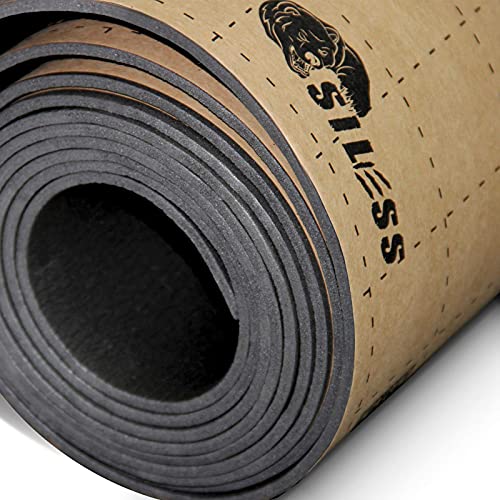
Siless Liner 157 uses a closed-cell PE foam structure with an adhesive layer for reliable bonding. The 4 mm thickness provides a robust thermal barrier and waterproof characteristics, helping block engine and summer heat while resisting moisture. Its lightweight construction supports easy handling during installation, and the material remains compressible for complex door geometries.
VOISEN 157 MIL 36 Sqft Car Sound Deadening

VOISEN’s 157 mil (4 mm) mat uses three layers of high-quality materials, including a thick closed-cell foam, a strong adhesive backing, and heat-blocking properties. The product emphasizes exceptional heat resistance and soundproofing performance, aiming to reduce 98% of radiant heat transfer and delivering a quiet cabin across varied driving conditions. It is designed for easy installation and wide applicability across door panels and other vehicle areas.
Buying Guide
Key considerations when choosing car door sound deadening material include thickness and density, heat resistance, durability, and ease of installation. Thicker mats generally provide greater dampening but add weight, so balance your goals with ride feel and fuel considerations. A closed-cell foam or butyl core with an outer foil layer often delivers both sound reduction and heat reflection, essential for hot climates. Adhesive quality matters for long-term bond integrity, especially in moisture-prone areas.
- Coverage and fit: Measure door panels and consider kits that provide full coverage with overlap for edges and contours. Individual sheets may require cutting and shaping for best results.
- Heat management: In hotter climates, a foil layer helps reflect radiant heat. For colder regions, consider materials with robust vibration damping even at lower temperatures.
- Moisture resistance: Look for closed-cell foams or waterproof liners to prevent moisture absorption and mold risk inside doors over time.
- Weight impact: Highly damped doors can add weight. For performance cars, weigh the benefits of extra quietness against potential changes in door feel and handling.
- DIY versus professional install: Self-adhesive sheets simplify installation, but complex door geometries may require trimming, rollers, or heat to achieve a tight seal.
For best results, treat both the inner and outer door surfaces where possible, ensure clean surfaces before applying, and press firmly to promote adhesion. Pairing materials with complementary thicknesses can optimize absorption, with 2 mm to 4 mm layers commonly creating a balanced solution for most mid-sized cars. Always follow manufacturer installation guidelines for bonding and cure times to maximize effectiveness.