Enhancing a car’s interior quietness starts with high-quality sound insulation. The following products offer reliable decoupling of road, wind, and engine noise with varied materials and thicknesses. This guide highlights five strong options to help you choose based on material, installation ease, and thermal performance.
Summary of chosen products
| Product | Brand | Core Material | Approximate Coverage | Notable Benefit |
|---|---|---|---|---|
| KILMAT 80 mil 36 sqft Car Sound Deadening Mat | KILMAT | Butyl and foil | 36 sqft | High thickness for strong vibration damping |
| Siless Liner 157 mil (4 mm) 36 sqft | Siless | Closed-cell PE foam with adhesive | 36 sqft | Excellent thermal barrier and water resistance |
| KILMAT 80 mil 10 sqft Car Sound Deadening Mat | KILMAT | Butyl and foil | 10 sqft | Compact option with durable performance |
| Siless Liner 157 mil (4 mm) 36 sqft Aluminum Foil Finish | Siless | AluFoil with closed-cell PE foam | 36 sqft | Excellent heat reflection and moisture resistance |
| Sound Deading Material for Cars, 80mil 36 sqft | CUKWUYBY | Butyl core with aluminum foil | 36 sqft | 3-layer construction for noise reduction |
Each option below is presented with a concise overview, a direct link to the product page, and practical notes on installation and performance, helping you weigh thickness, material, and application areas for your vehicle.
KILMAT 80 Mil 36 Sq Ft Car Sound Deadening Mat

KILMAT’s 80 mil butyl and foil mat provides substantial vibration dampening while remaining user-friendly for DIY installations. This material is notably thicker than standard mats, which contributes to higher insulation efficiency. It is self-adhesive and designed to be easy to apply on metal surfaces, with a weight around 0.5 pounds per square foot. The thicker profile enhances overall acoustic performance, particularly for larger panels and doors. Suitable for installers seeking strong damping without overly complex prep work.
Siless Liner 157 Mil (4 Mm) 36 Sq Ft
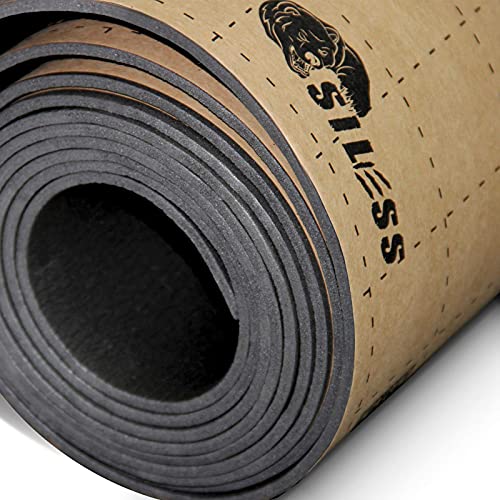
Siless Liner combines closed-cell polyethylene foam with an adhesive layer for a strong bond and thermal barrier. Its moisture resistance and light weight make it versatile for various vehicle surfaces while maintaining a waterproof profile. The material blocks radiant heat effectively and reduces noise by limiting heat transfer, helping cabin temperature stability alongside acoustic benefits. It also offers cost efficiency per square foot compared with similar products, making it a popular choice for budget-conscious projects.
KILMAT 80 Mil 10 Sq Ft Car Sound Deadening Mat

This smaller KILMAT sheet offers a compact option for targeted areas or smaller projects. The 80 mil thickness translates to solid damping performance for critical spots, such as door panels, wheel wells, or trunk areas, without requiring a full-panel application. It shares the brand’s self-adhesive setup, facilitating straightforward application and strong adhesion to metal surfaces. Ideal for DIYers addressing specific noise paths with limited material waste.
Siless Liner 157 Mil Aluminum Foil Finish 36 Sq Ft

Siless Liner with an aluminum foil finish adds reflective heat resistance alongside its closed-cell foam core. The placement of aluminum foil helps reflect radiant heat into the engine bay, aiding cabin temperature control during hot summer days. The product remains lightweight, waterproof, and easy to install with or without a roller, offering a dual benefit of thermal management and vibration dampening for a balanced interior environment.
Sound Deading Material For Cars, 80mil 36 Sq Ft

CUKWUYBY 80 mil, 36 square feet, uses a three-layer construction: heat-reflective foil, a butyl core, and a robust adhesive backing. This configuration yields strong noise reduction with effective heat management. It’s designed for reliable DIY installations, with easy cutting and application while delivering a practical balance of cost and performance for full-door or trunk applications.
Buying Guide: Key Purchase Considerations
When selecting car sound insulation, consider these perspectives to match your goals and vehicle type:
- Material type: Butyl mats excel at damping vibrations, while closed-cell foams provide thermal resistance and moisture resistance. Aluminum finishes add heat reflection, beneficial for hot climates.
- Thickness and coverage: Higher thickness generally yields better damping but increases material cost and weight. Plan coverage based on the most noise-prone areas (doors, trunk, underfloor).
- Adhesion and surface prep: Clean, dry metal surfaces; some products include adhesive backing or require spray adhesives. Proper surface prep ensures durable bonding.
- Moisture and heat resistance: Waterproof or water-resistant materials are important for trunk and exterior-facing panels. Heat-reflective foils help in high-temperature environments.
- Installation complexity: DIY-friendly sheets with easy-peel adhesion suit beginners; larger projects may benefit from professional installation or more rigid materials.
- Cost efficiency: Compare cost per square foot and consider long-term benefits like reduced cabin heat and noise, which can influence overall vehicle comfort and resale value.
- Airflow and safety: Avoid blocking critical vents or equipment access points; ensure heat shields and electrical components are not compromised.
Choosing the right combination of materials and thickness enables targeted noise reduction while balancing weight and cost. For many drivers, a mixed approach—combining a core damping layer with heat-reflective or moisture-resistant overlays—delivers the best overall cabin quietness and temperature control.