Stop smoke additives are designed to reduce blue or white exhaust, seal minor oil leaks, and quiet noisy engines. This article highlights five leading products that target burning oil, reduced emissions, and improved engine seals, helping vehicles run cleaner and with better performance. Each section explains how the additive works, what to expect during use, and what types of engines they suit. The following options come from trusted brands and are widely available on major retailers.
| Product | Brand | Approx. Volume | Key Benefit |
|---|---|---|---|
| Bardahl 2117 NoSmoke + StopLeak | Bardahl | 16 fl oz | Controls oil burning and seals leaks |
| Liqui Moly Oil Smoke Stop | Liqui Moly | 300 ml | Minimizes blue exhaust smoke |
| BlueDevil Stop Smoke & Engine Repair | BlueDevil | 16 oz | Reduces exhaust smoke; restores compression |
| Wynn’s Stop Smoke | Wynn’s | 325 ml | Reduces smoke; improves viscosity at high temps |
| Engine Wizard Stop Leak | Engine Wizard | 1 oz | Seals leaks; reduces smoke without teardown |
Product sections below provide practical details, compatibility notes, and what to expect when using these additives. Each product is evaluated on its ability to reduce smoke, seal seals and gaskets, and avoid excessive oil consumption, while considering engine type and maintenance needs.
Bardahl 2117 NoSmoke + StopLeak

The Bardahl 2117 NoSmoke + StopLeak is designed to reduce engine oil burning and exhaust smoke while acting as a leak sealer. The formula aims to fill gaps created by wear, improving engine tolerance and reducing the amount of oil that escapes into the combustion chamber. This product is positioned for older engines with loose tolerances that tend to burn oil, and it also claims to help soften and reseal dry, brittle gaskets over time. A practical option for drivers seeking a combined stop smoke and stop leak solution.
Key features include an extra-thick additive that targets burning oil and emissions, and a focus on restoring engine reliability by addressing dry seals. Users may notice quieter lifters and reduced smoke as the additive circulates with regular motor oil. As with any sealant, performances depend on the severity of leaks and the engine’s condition. It’s compatible with conventional or synthetic oils and is intended for extended use rather than quick fixes.
Liqui Moly Oil Smoke Stop

Liqui Moly Oil Smoke Stop is formulated to minimize blue exhaust smoke by addressing wear gaps in engine components. The product emphasizes high viscosity to seal gaps caused by wear and is suitable for a range of oils used in petrol and diesel engines. This makes it a versatile option for engines that burn oil and emit blue smoke, particularly where routine maintenance may be pending. The formulation is designed to work with typical engine oil systems and can contribute to improved engine cleanliness and smoother operation.
Users should consider the engine’s current oil consumption and smoking level when applying Liqui Moly: results may vary based on the extent of wear and the engine’s age. Regular oil changes and monitoring of emissions remain important for long-term performance. This additive is positioned as a targeted solution for oil-burning engines, with emphasis on minimizing blue smoke rather than providing a full engine rebuild.
BlueDevil Stop Smoke & Engine Repair

BlueDevil Stop Smoke & Engine Repair focuses on reducing exhaust smoke while simultaneously restoring engine compression. The product claims to recondition seals and rings, helping worn components expand and seal more effectively. It’s presented as a “driving while you drive” solution, meaning you can apply it and continue operating the vehicle rather than requiring immediate downtime. Reducing smoke can also contribute to cleaner emissions and improved throttle response as compression improves.
As with smoke-reduction products, results depend on the engine’s wear level and the severity of leaks. BlueDevil emphasizes sealing action, which may be beneficial for engines with minor to moderate leaks in seals and piston rings. It’s compatible with multiple oil types and can be a convenient option for vehicles showing early signs of oil consumption and exhaust smoke.
Wynn’s Stop Smoke

Wynn’s Stop Smoke is designed to cut exhaust smoke arising from oil burning. The product highlights its effect on improving the oil’s viscosity properties at higher temperatures, which can help maintain lubrication and reduce oil burning under stress. It also claims to seal gaps between worn engine components, which can contribute to lower smoke production and potentially steadier engine performance. This option may appeal to drivers seeking a straightforward add-on to reduce visible smoke without major engine work.
Users should manage expectations: improved lubrication and sealing can reduce smoke but may not fully eliminate it in severely worn engines. Routine maintenance, oil-level checks, and timely replacement of gaskets and seals are recommended alongside additive use to sustain long-term benefits.
Engine Wizard Stop Leak
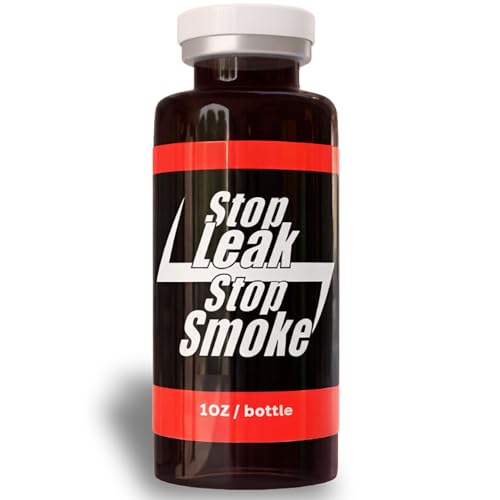
Engine Wizard Stop Leak is a compact 1-ounce treatment designed to seal leaks and stop smoke without dismantling the engine. Its advanced formula targets minor leaks and seepage, reconditioning seals and gaskets to prevent further leaks. By reducing oil loss and smoke, it can help extend the interval between major repairs for engines with mild to moderate seal wear. The small quantity makes it easy to use as a maintenance booster or trial for first-time users.
Because the product is a small dose, it is often positioned as a preventative step or a supplementary measure alongside a broader maintenance plan. Engines with significant leaks or extensive wear may require mechanical repair in addition to any additive treatment. Reading the label for compatible oil types and dosing instructions is important to ensure safe usage.
Buying Guide: Key Purchase Considerations
- Engine condition and type: For older engines with wear or dry seals, stop leak and smoke-reduction additives can help, but heavy wear may require mechanical repairs. Choose products that emphasize sealing capabilities if leaks are a concern.
- Oil compatibility: Check whether the additive is compatible with your oil type (conventional vs. synthetic) and your vehicle’s maker recommendations. Some formulas are designed to work across a wide range of oils, while others target specific viscosities.
- Smoke type and cause: Blue smoke indicates oil burning, white smoke may signal coolant or vent issues. Select a product aimed at reducing oil burning and improving seal integrity to address the root cause where possible.
- Maintenance integration: Additives should complement regular oil changes and gasket inspections. Relying solely on additives without routine service can limit improvements.
- Application method and dosage: Some products come in bottles designed for single-use or small doses, while others require multiple applications. Follow label instructions for best results and avoid overuse.
- Expected outcomes: Different formulations emphasize smoke reduction, seal restoration, or both. If multiple issues exist (smoke, leaks, loss of compression), prioritize a product that targets all three or plan complementary solutions.
- Emissions considerations: If the goal includes meeting emissions standards, choose products marketed toward reducing pollutants in exhaust and stabilizing engine performance, while continuing to maintain proper emissions-related maintenance.
In summary, the five featured products offer a range of approaches to reducing exhaust smoke and sealing minor engine leaks. When selecting a product, consider engine condition, oil compatibility, and whether your priority is smoke reduction, leak sealing, or combined benefits. For best results, pair additive use with routine maintenance, regular oil changes, and scheduled inspections of seals, gaskets, and valve stems where applicable.