Riding safety hinges on clear visibility, quick adaptation to changing light, and reliable eye protection. Transition visors—also called photochromic visors—auto-adjust from clear indoors to tinted outdoors, helping riders handle sun glare, wind, and varying weather without swapping shields. This guide highlights top transition visor options compatible with popular helmet models, comparing features, fit, and installation notes to help you choose the right shield for your riding needs.
Summary of Featured Products
- WeePro Photochromic Anti-Fog Helmet Visor Film — DIY inner-film tint adaptation for all-weather riding
- RVBASICS Full Face Motorcycle Helmet Shield (RF-1400, Z-8, NXR2 compatibility) — Self-tinting, nano-coated polycarbonate
- The Helmet Shop HJ-33 Photochromic Visor — HJC i90/i91 and Harley Modular compatibility, pinlock-ready
- Logto Photochromic Visor (C10/HJ 34P compatible) — Multi-color transition options, rapid response
- PSLER Qualifier Visor — Aftermarket fit for Bell Qualifier/Star/Vortex/RS-1/Revo, photochromic
WeePro Photochromic Helmet Visor Film

The WeePro film is designed as an interior, self-tinting option that adapts to UV exposure across seasons. It darkens in bright sun, lightens in overcast conditions, and remains clear at night. The adhesive-edge film is simple to apply to helmet visors, offering a cost-effective way to achieve variable tints without swapping shields. Light-sensing behavior is gradual, ensuring a steady transition rather than abrupt changes, which helps maintain continuous visibility during rides.
RVBASICS Photochromic Full Face Shield (RF-1400, Z-8, NXR2)

This full-face helmet shield transitions automatically from clear to light grey or tinted tones based on sun intensity. It’s compatible with Shoei RF-1400, Z-8, and NXR2 helmets, making it a versatile option for riders who want seamless tinting without sacrificing optical clarity. The shield uses a polycarbonate lens with nano coating to reduce glare while maintaining a wide field of view. It’s designed to minimize wind noise and preserve a secure seal, supporting all-day riding comfort.
The Helmet Shop HJ-33 Photochromic Visor
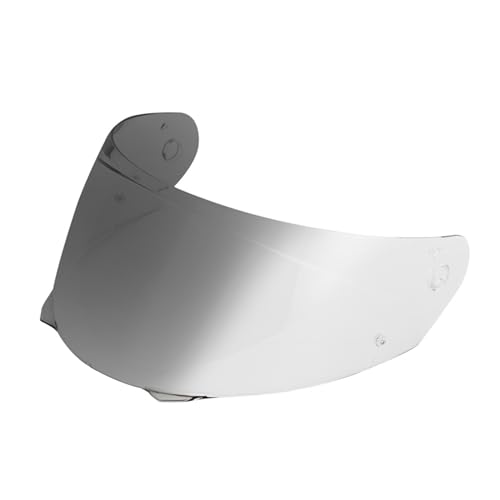
Designed as a direct-fit replacement shield for HJC i90, i91, and Harley Modular helmets, the HJ-33 is a universal-size visor with anti-fog-ready features. It uses a polycarbonate lens with UV protection and maintains an optically correct, distortion-reduced view. Pinlock-ready posts are pre-installed, enabling compatibility with anti-fog inserts. The shield darkens in bright sun and clears indoors, delivering reliable all-season clarity for mainstream sport and touring riders.
Logto Photochromic Visor For C10/HJ 34P

Logto’s transition visor supports multiple helmet lines, including C10 and HJ 34P, offering three color transitions: clear to smoke, red-to-gold, and blue-to-ice blue. The rapid response transitions occur within seconds to strong UV light, helping riders adjust quickly on sunny days. While transitions are designed for outdoor brightness, visibility remains stable indoors, and the visor is engineered to minimize light scatter and glare across varied riding positions.
PSLER Qualifier Photochromic Visor
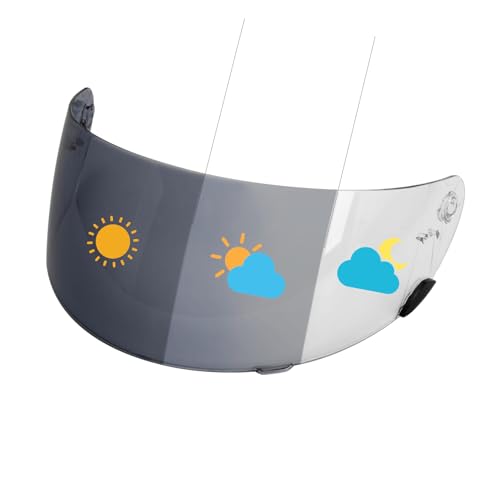
The PSLER Qualifier visor is tailored for Bell Qualifier/Star/Vortex/RS-1/Revolver helmets. Manufactured through an electroplating process, this aftermarket shield offers daytime transparency with a photochromic tint response to sunlight. Note that fitment may vary by helmet curvature and model, and users should verify compatibility with their specific Bell helmet. It provides a practical solution for riders seeking a ready-to-install, auto-tint option without OEM branding constraints.
Buying Guide: Key Considerations For Transition Visors
- Compatibility and fit: Confirm helmet model, size, and shell curvature before purchasing. Some visors are designed to fit specific brands or series (e.g., Shoei, HJC, Bell).
- Tint range and response: Look for visors that darken in strong sunlight and return to clear indoors. A gradual, not instant, transition helps maintain situational awareness, especially in tunnels or shaded areas.
- Material and coatings: Polycarbonate bodies are common for impact resistance; nano coatings improve anti-glare properties and scratch resistance. UV protection is essential for eye safety.
- Anti-fog capabilities: If riding in cold, wet, or humid conditions, consider visors with anti-fog compatibility or post-installation anti-fog inserts.
- Installation: DIY film inserts or replacement shields should come with clear installation instructions. Pinlock-ready options offer additional anti-fog benefits.
- Durability and weather tolerance: In rainy or dusty environments, ensure the tinting consistency remains stable and that the coating resists wear from road debris and cleaning.
- Price and value: Compare the cost of a film insert versus a full replacement shield. Consider long-term wear, replacement frequency, and compatibility with multiple helmets if you own more than one:
- Brand reliability and warranty: Favor reputable brands with documented performance and return policies. Warranty coverage can offset potential fitment issues or color degradation over time.
Choosing the right transition visor depends on your riding style, helmet brand, and climate. If you frequently shift between sunny and shaded roads, a versatile, easy-to-install option that preserves a wide field of view is ideal. For riders who value anti-fog performance in damp weather, prioritize visors with anti-fog compatibility or post-installation inserts. Always verify fitment with your helmet model and review installation guides to ensure a secure, bubble-free bond for best optical clarity and protection.