Choosing a travel-friendly car seat for a 3-year-old involves balancing safety, comfort, and portability. The right seat should transition smoothly from day trips to longer car journeys, fit well in different vehicles, and accommodate a growing child. Below are five top-rated options that blend harness and booster capabilities, lightweight design, and practical features for families on the go. This guide outlines key considerations and compares how each seat serves a 3-year-old’s changing needs.
Chosen products at a glance
| Product | Brand | Key Strength | Weight Class |
|---|---|---|---|
| Safety 1st Grand 2-in-1 Booster Car Seat | Safety 1st | 2-in-1 with high back to belt-positioning booster | 40–100 lbs |
| Evenflo Maestro Sport High-Back | Evenflo | Two modes, easy harness adjustments | 22–110 lbs |
| Graco Extend2Fit Convertible | Graco | Extended legroom for rear-facing | 4–65 lbs rear, 22–65 lbs forward |
| RideSafer Travel Vest | RideSafer | Travel vest design for portable safety | Various |
| Graco Tranzitions 3-in-1 | Graco | Harness to highback to backless (3-in-1) | 40–100 lbs |
Safety 1st Grand 2-in-1 Booster
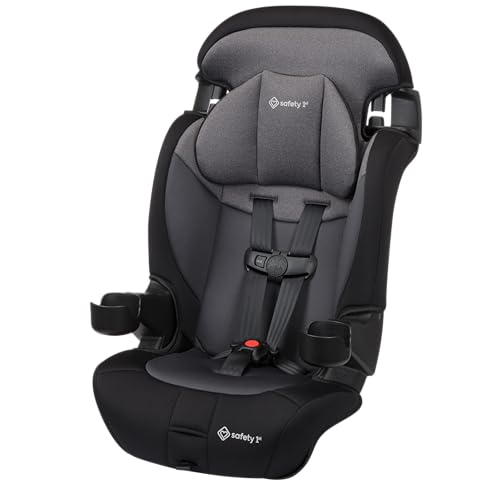
The Safety 1st Grand 2-in-1 Booster Seat combines a forward-facing harness booster for children in the 40–65 pound range with a belt-positioning booster that includes a back for children up to 100 pounds. Its slim profile is designed to fit three-across in the back seat, a practical feature for families with multiple carpool riders. The seat is lightweight and portable, allowing quick transfers between vehicles, which is ideal for busy schedules and travel days.
Evenflo Maestro Sport High-Back

The Evenflo Maestro Sport offers two modes: a forward-facing harness booster for 22–110 pounds and a belt-positioning booster for taller riders. With a 5-point harness and straightforward upfront harness adjustments, it provides secure, easy fit for a growing child. The seat supports a typical height range during the preschool years, ensuring a consistent transition from harness to booster without needing a new seat too soon. Its design emphasizes stability and ease of use for caregivers and travel scenarios.
Graco Extend2Fit Convertible

The Graco Extend2Fit is a convertible seat designed to grow with your child, moving from rear-facing harness (4–50 lb) to forward-facing harness (26.5–65 lb). A key feature is the Extend2Fit 4-position extension panel that adds up to 5 inches of legroom, enabling a longer rear-facing period for safer travel. This seat emphasizes safety through extended rear-facing time and adjustable leg support, making it a strong choice for families prioritizing kid comfort and secure installation across cars.
RideSafer Compact Travel Vest

The RideSafer vest-type restraint offers a portable alternative for travel days, rideshares, or rental cars. It optimizes the adult seat belt fit for a child’s size and is certified for use in motor vehicles under FMVSS 213. Its compact, lightweight design makes it a favorite for families who need to move between vehicles or travel long distances without a cumbersome seat. This option suits caregivers prioritizing portability while maintaining safety standards for older toddlers and preschoolers who can use booster-style belts.
Graco Tranzitions 3-in-1

The Graco Tranzitions 3-in-1 adapts as your child grows—from a forward-facing harness seat (26.5–65 lb) to a highback booster (40–100 lb) and even a backless booster (40–100 lb). The No-Rethread Simply Safe Adjust harness system allows the headrest and harness to move together, simplifying adjustments and ensuring a snug, secure fit without rethreading. This versatility makes it a compelling option for families seeking long-term use with a single seat across several years of child growth.
Graco TurboBooster 2.0

The Graco TurboBooster 2.0 focuses on comfort and simple installation with height-adjustable armrests and booster features that adapt to a growing child. While it is a backless booster, it continues to provide reliable protection and alignment when paired with a properly fitted seat belt. It serves as a portable solution for travel days or shorter trips where a full harness is not required, balancing travel convenience with safety considerations for older toddlers and preschoolers.
Buying guide: key purchase considerations
- Child size and weight: Choose a seat that supports your child’s current weight and fits within recommended ranges for harness and booster modes. Many 3-year-olds transition from harness to booster around 40–65 pounds, but individual growth rates vary.
- Seat type and versatility: If you travel frequently, a 2-in-1 or 3-in-1 seat that transitions from harness to booster minimizes the number of seats you need to carry or store.
- Rear-facing opportunity: For younger toddlers, extended rear-facing time is a safety priority. Seats with extended rear-facing legroom help maximize this period as long as feasible.
- Installation and fit: Look for easy harness adjustment, clear weight range indicators, and compatibility with most vehicles. A slim profile can also help with three-across seating in the back seat.
- Portability and weight: Lighter seats reduce the effort of moving the seat between cars, which is a common travel scenario for families.
- Compliance and safety standards: Ensure the seat meets or exceeds applicable FMVSS standards and is certified for use in your travel environments.
- Maintenance and cleaning: Removable, machine-washable covers simplify upkeep when you’re on the road.
Table-based quick comparison shows how each option positions itself for travel needs: whether prioritizing compact design, long-term use, or easy transitions between harness and booster modes. When selecting a seat for a 3-year-old, prioritize a balance of safety features, ease of use for caregivers, and how well the seat fits your family’s typical travel patterns.