Choosing the right UV protection tint for your car involves balancing privacy, heat control, and visibility with durability. The following selections focus on high-quality nano ceramic and premium tint films designed to block UV and infrared rays, reduce interior fading, and resist scratches. This guide highlights five top options, explained with practical details to help American drivers make an informed choice.
| Product | Visibility (VLT) | UV Blocking | Infrared Rejection | Notes |
|---|---|---|---|---|
| PAMAGOO 35% VLT Window Tint | 35% | ≥95% | ~88% | Adhesive-free, scratch resistant |
| PAMAGOO 20% VLT Window Tint | 20% | ≥95% | ~88% | Adhesive-free, detailed installation guide |
| Mkbrother Car Window Tint | Multiple VLT options | 99% UV Block | Strong IR blocking | Korean-made tech, privacy plus style |
| Amzwolf 35% VLT Window Tint | 35% | Blocks most UV | IR light rejected | 5-layer PET construction, scratch resistant |
| TOYOCO 35% VLT Ceramic Tint | 35% | >99% UV, >95% IR | Excellent heat rejection | Ceramic, privacy with visibility |
[PAMAGOO] 35% VLT Nano Ceramic Car Window Tint

Pamagoo’s 35% VLT option uses a nano ceramic coating designed for durability and smooth installation. The film is adhesive-free, reducing potential bubbling during application, and it includes a comprehensive manual and installation video to assist DIYers. It blocks ≥95% of UV rays and about 88% of infrared rays, helping protect skin and upholstery while maintaining a balanced daytime view through the glass. The coating emphasizes scratch resistance for longer life in daily use.
[PAMAGOO] 20% VLT Nano Ceramic Car Window Tint
The 20% VLT variant provides greater privacy and heat protection while preserving clear daytime visibility. It shares the same adhesive-free design and explicit installation guidance as the 35% option, with robust scratch resistance thanks to nano ceramic construction. UV blocking remains strong (≥95%), and infrared rejection continues around 88%, maintaining comfortable cabin temperatures and extended interior longevity.
[Mkbrother] Car Window Tint Film With 5%–50% VLT Options

Mkbrother offers multiple VLT options under a single product line, including 5%, 20%, 35%, and 50% choices. The film is manufactured with advanced Korean technology for durability and reliability, delivering up to 99% UV blockage to protect skin and interior surfaces. The tint combines privacy with a premium aesthetic, making it suitable for family vehicles and executive cars alike. It emphasizes a balance between privacy and clear exterior visibility.
[Amzwolf] 35% VLT Window Tint Film

Amzwolf’s 35% VLT tint uses a five-layer PET construction designed to block UV and infrared rays while providing privacy and glare reduction. The film aims to reduce interior heat buildup and prevent interior fading. Portability and installation ease are emphasized, with a focus on durability and scratch resistance. The film is positioned as a versatile option suitable for a wide range of vehicles seeking a modern, understated look without sacrificing visibility.
[TOYOCO] 35% VLT Ceramic Window Tint
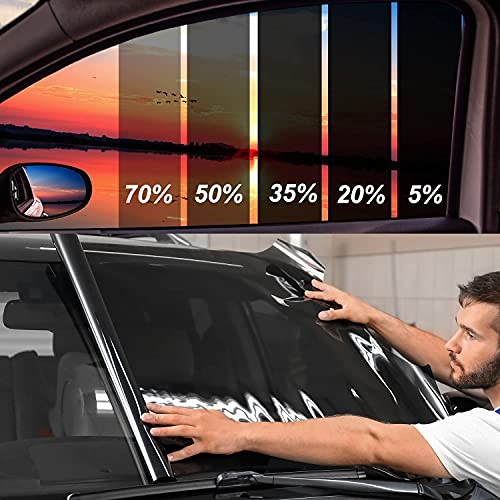
TOYOCO’s 35% VLT ceramic tint emphasizes high UV and infrared blocking, with claimed UV block exceeding 99% and IR rejection over 95%. The ceramic composition supports robust heat rejection and clarity, minimizing glare while maintaining daytime visibility. Privacy is achieved without a heavy, mirrored look, making it a favorable option for drivers who want a balanced, modern appearance with strong technical performance.
Buying Guide: Key Considerations For Car Window Tint
- UV and heat rejection: Prioritize films that block at least 95% of UV rays and offer strong infrared rejection to reduce interior fading and cabin heat. Ceramic and high-quality nano ceramic options typically outperform basic dyed films in this regard.
- Visible Light Transmission (VLT): VLT indicates how much visible light passes through the film. Higher VLT values maximize daytime visibility; lower VLT values increase privacy. Choose a VLT that matches local laws and personal preferences for privacy and visibility.
- Material and durability: Ceramic, nano ceramic, and carbon-based films generally provide better scratch resistance, durability, and color stability than standard dyed films. Adhesive-free or low-adhesive options can simplify installation and reduce bubbling.
- Installation and warranty: Look for clear installation guides or video tutorials, plus a warranty that covers bubbling, color change, or edge lift. DIY installations benefit from brands that supply detailed manuals and customer support.
- Safety considerations: Ensure the tint complies with state regulations regarding permissible VLT levels for front and side windows. Some darker tints may be restricted for front windows, particularly in certain states.
- Interior protection and aesthetics: A good tint reduces glare and interior aging while complementing your vehicle’s design. Carbon or ceramic films typically deliver a premium appearance with consistent color and finish.
- Installation environment: DIY projects benefit from a clean, dust-free workspace and proper tools. Consider professional installation for complex curves or multi-window configurations to achieve a seamless look.
- Maintenance and care: Use non-abrasive cleaners and avoid ammonia-based solutions that can degrade certain films. Regular cleaning helps preserve clarity and reduce hazing over time.
Across these options, the focus remains on UV protection, heat rejection, and durable construction. When selecting a tint, balance your desired level of privacy with visibility and local legal requirements. The brands listed here combine reliable UV blocking with scratch resistance and driver-friendly performance, offering multiple VLT choices to fit various vehicle types and climates.