Choosing the right woofer speakers for your car can dramatically improve bass response, clarity, and overall listening enjoyment. This guide focuses on five top-rated options that balance power, sound quality, and installability. Each pick is evaluated on bass output, frequency range, build quality, and ease of installation. Use the table below to compare highlights at a glance before diving into detailed sections for every product.
| Product | Brand | Type | Key Benefit |
|---|---|---|---|
| JBL GTO609C | JBL | Component Car Speaker | Enhanced bass with Plus One cones |
| JVC CS-J620 | JVC | Coaxial 2-Way | Wide frequency range with strong mid/highs |
| Polk Audio DB692 | Polk Audio | Coaxial Marine/Car 3-Way | Wide dispersion and marine-grade durability |
| Skar Audio RPX65 | Skar Audio | Coaxial 2-Way | High power handling in a compact 6.5” |
| JBL GTO939 | JBL | Coaxial 3-Way | Three-way design with robust bass |
JBL GTO609C 6-1/2″ Component System
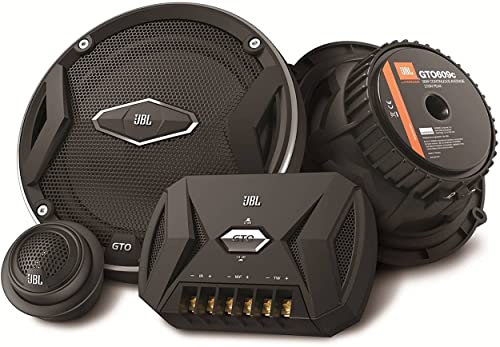
JBL’s GTO609C combines a 6.5-inch woofer with a separate tweeter, delivering a clean, powerful bass with extended highs. The Plus One woofer cone design increases surface area for deeper bass without sacrificing efficiency, while soft-dome tweeters handle higher frequencies with reduced fatigue on long listening sessions. The I-Mount system offers flexible placement whether you prefer flush or surface mounting, simplifying installation in many factory locations. This setup is well-suited for listeners who want a noticeable bass upgrade without a complete system overhaul.
Key features include carbon-injected Plus One cones for added air movement and bass output, oversized tweeter voice coils for heat dissipation and power handling, and a versatile mounting approach. The system shines in mids and highs as a complement to a strong sub or with a well-balanced amp. Overall, the JBL GTO609C provides strong bass response, reliable durability, and straightforward installation that suits a broad range of vehicle interiors.
JVC CS-J620 6.5″ Coaxial Car Speakers
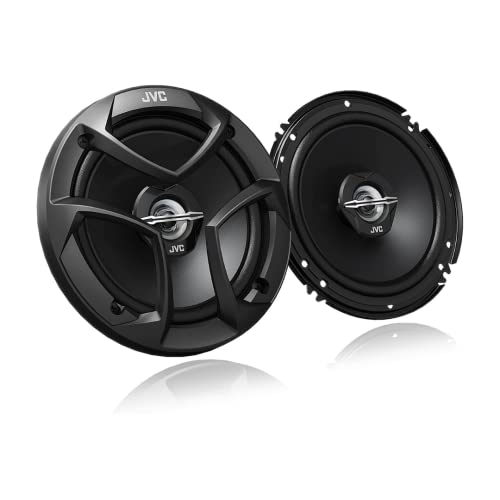
The JVC CS-J620 is a 6.5-inch two-way coaxial speaker set designed to upgrade factory audio with clarity and balanced output. With 300W peak and 30W RMS power per pair, these speakers feature a 6.5″ mica cone woofer and a 1″ PEI tweeter for crisp highs and detailed midrange. A broad frequency response (approximately 35Hz–22kHz) supports dynamic sound across genres, while a 92 dB sensitivity and 4-ohm impedance help deliver loud, clean results from typical car audio head units or amplifiers. The design emphasizes durable materials and a robust mounting profile for easier installation.
The JVC CS-J620 pair is a practical upgrade for daily drivers that want stronger bass and clearer mids without complex installation. The high-sensitivity design helps extract more volume from modest power, and the rugged build with ABS grills and flexible diaphragms adds longevity for everyday use. Overall, it’s a versatile option for a balanced car audio upgrade that respects space and power constraints.
Polk Audio DB692 3-Way 6×9 Marine Coaxial

The Polk DB692 is a 3-way coaxial 6×9 marine speaker designed for both car and boat environments. It delivers up to 450W peak power with a 4-ohm impedance and a broad 30–22kHz frequency range. The 6×9 polypropylene woofer cone and a 1/2″ silk dome tweeter are paired with a built-in crossover to direct highs and lows efficiently, resulting in robust bass and expansive high-frequency response. The Dynamic Balance technology aims to reduce distortion and improve dispersion, creating a more natural, room-filling sound across seating positions. The vehicle-friendly design also tolerates humidity and rough conditions typical of marine use.
Polk’s DB692 is well-suited for listeners seeking a high-output, wide-dispersion speaker with strong bass presence and reliable durability. The 3-way configuration helps separate vocal clarity from bass and treble details, which can elevate overall listening across genres from rock to orchestral tracks. Installation requirements are manageable for do-it-yourself installers with some experience wiring crossover-equipped speakers.
Skar Audio RPX65 6.5″ 200W 2-Way Coaxial

The Skar RPX65 delivers solid value with a 6.5″ 2-way coaxial design and a peak power rating of 200W per pair. With an RMS rating of 60W per pair and an impedance of 4 ohms, these speakers offer a good balance of efficiency and headroom for daily driving. A 1″ KSV voice coil and a microfiber paper mid-woofer cone with a butyl rubber surround provide durability and consistent performance under varied listening levels. The RPX65 is an attractive option for enthusiasts seeking a straightforward upgrade that still delivers impactful bass and clear highs without requiring extensive tuning.
These speakers are notable for ease of installation and a compact form factor that fits many dash and door openings. The RPX65 can pair nicely with a modest amplifier for a noticeable uplift in bass depth and overall dynamics, especially for genres with strong low-end content. For budget-conscious buyers, it offers a reliable upgrade path without compromising too much on clarity.
JBL GTO939 6×9″ 3-Way Coaxial
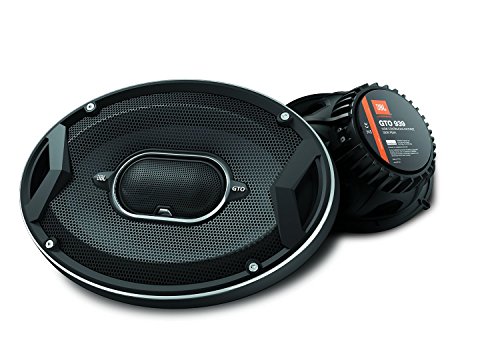
The JBL GTO939 is a 6×9″ three-way coaxial speaker designed to deliver expansive sound with substantial bass extension. The Plus One woofer cone and a rubber surround enhance low-end output while maintaining structural integrity under demanding listening conditions. An adjustable mylar-titanium tweeter and a supertweeter with level control provide flexible high-frequency tuning to suit different vehicles and listening preferences. This configuration offers more detailed highs without harshness and a solid overall tonal balance across the midrange and bass.
For listeners seeking a robust, all-around upgrade to car audio without a separate sub, the GTO939 provides a compelling combination of loudness, clarity, and build quality. Its three-way design helps achieve a coherent blend from bass through treble, making it a strong candidate for a broad range of music styles and vehicle interiors.
Buying Guide: Key Purchase Considerations
When selecting car woofer speakers, consider the following factors to ensure you get the best match for your vehicle and listening preferences:
- Speaker type and configuration: Coaxial, component, or subwoofer-focused designs each offer different benefits. Coaxials are easier to install; component sets offer improved imaging; subwoofers deliver deeper bass when paired with a suitable amp and enclosure.
- Power handling: Match RMS power ratings to your amplifier or head unit output. Excess power can damage speakers, while insufficient power may underwhelm bass output.
- Impedance: Most car speakers use 4 ohms. Ensure compatibility with your existing amp or head unit to maximize efficiency and avoid distortion.
- Frequency response: A wider range helps reproduce both deep bass and clear highs. For bass-heavy setups, prioritize a speaker with strong low-end extension.
- Durability and materials: Look for weather-resistant components for marine or convertible interiors, and robust membranes (polypropylene, mica, silk) for longevity and consistent performance.
- Installation ease: Some models include grilles, mounting hardware, or integrated crossovers. Consider whether you need professional installation or a DIY-friendly option.
- System balance: Bass performance should complement your midrange and highs. A well-matched set often requires strategic placement and, in some cases, a dedicated subwoofer with an amplifier.
Comparative Considerations
For those prioritizing raw bass depth, consider a 6×9 or subwoofer-oriented option and plan for enclosure and amplification. If you want a more balanced, all-around upgrade with easier installation, a high-quality 6.5″ coaxial or a 3-way design can offer clearer highs, better midrange, and sufficient bass without extensive tuning. Budget-conscious buyers may prefer models with solid build quality and decent efficiency that work well with factory head units.
All five selections discussed provide credible bass, clear midrange, and reliable construction. Your final choice should reflect your vehicle’s space, your listening preferences, and whether you plan to pair the speakers with a dedicated amplifier or a compact head unit upgrade.