Choosing the right engine block sealer can prevent costly cooling system failures. The following selections are among the most trusted options for sealing cracks, leaks, and gaps in both aluminum and cast-iron blocks. This guide highlights five top products with permanent sealing claims, ease of use, and broad compatibility for gasoline and diesel engines.
| Product | Brand | Key Benefit |
|---|---|---|
| K&W 401016 Block Seal Permanent Metallic™ | CRC | Permanent molecular seal for blocks, radiators, and head gaskets |
| K-Seal ST3501 Pour and Go | K-Seal | Permanent repair for blown head gaskets and cracked blocks |
| BlueDevil Radiator & Block Sealer – 16 oz | BlueDevil | Permanent repair for radiator and engine block leaks |
| Bar’s Leaks 1109 Liquid Copper Block Seal | Bar’s Leaks | One-step sealant for coolant loss problems |
| Moroso Ceramic Engine Seal | Moroso | Ceramic sealing for head gaskets and blocks |
K&W 401016 Block Seal Permanent Metallic Block & Radiator Seal
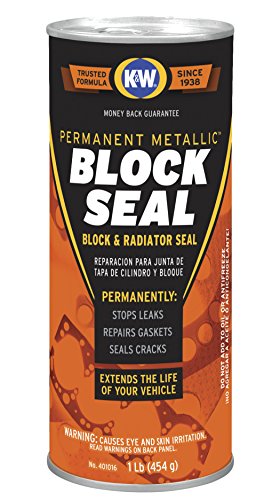
Features a permanent molecular seal designed to be as strong as steel. It seals cracks and holes in cast iron and aluminum engine blocks, head gaskets, freeze plugs, and radiators or heater cores made of copper or aluminum. It can be used in all water-cooled diesel and gasoline vehicles, providing a broad compatibility profile. Directions emphasize proper mixing and system fill before running the engine. This product targets persistent leaks by reinforcing the metal-to-metal contact areas that commonly fail in cooling systems.
K-Seal ST3501 Pour and Go Head Gasket Sealer
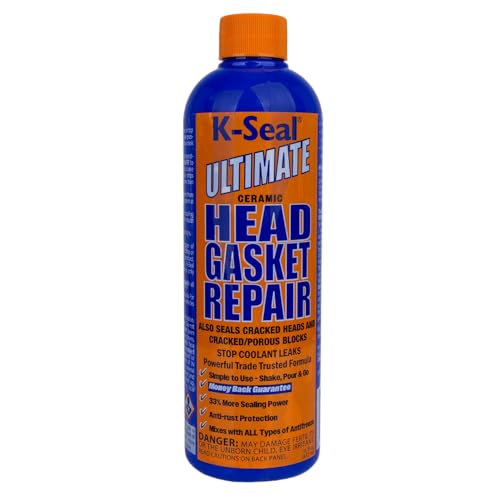
K-Seal ST3501 offers a permanent repair for blown head gaskets, cracked heads, and porous blocks with a formula that reportedly seals leaks up to 0.64 mm in size. It features a no-drain, no-flush application: shake, pour into the cooling system, and run the engine as normal. The kit emphasizes a strong sealing action from ceramic micro-fibres and is marketed for use on a wide range of engines. For larger engines, the manufacturer recommends using two bottles.
BlueDevil Radiator & Block Sealer

BlueDevil Radiator & Block Sealer provides a permanent repair for leaks in radiators and engine blocks, with compatibility across plastic, aluminum, and metal radiators. Notably, the formula contains no solids or fibrous materials, which some users prefer to minimize clog risk. It is intended to work across cooling systems without draining prior to application, though adherence to product instructions remains essential for optimal sealing and engine safety.
Bar’s Leaks 1109 Liquid Copper Block Seal

Bar’s Leaks 1109 Liquid Copper Block Seal uses antifreeze-compatible sodium silicate to seal leaks in heads, blocks, and related components. It is designed to be poured directly into the radiator, reducing downtime by avoiding extensive draining. The product claims to seal leaks permanently when given proper time to circulate, forming a robust, heat-accelerated seal within the cooling system.
Moroso Ceramic Engine Seal
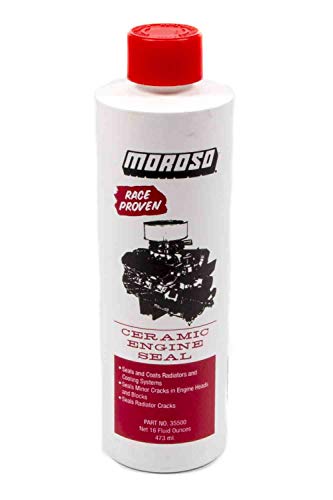
Moroso Ceramic Engine Seal is a ceramic-based sealer designed to address head gasket and block leaks in vehicles. It emphasizes compatibility with both aluminum and cast-iron blocks and recommends a thoroughly cleaned cooling system before use. The product is positioned as a chemical sealant rather than mechanical repair, and it notes that if leaks persist, other repair methods may be necessary. It is not intended for use with antifreeze in some configurations, so follow guidance precisely.
Buying Guide: Key Purchase Considerations
Leak type and location
Identify whether the leak is in the head gasket, block, radiator, or freeze plugs. Some sealers excel at small pinhole leaks, while others claim to repair larger gaps. Consider the size and number of leak sites when selecting a product.
Material compatibility
Check whether the sealer works with aluminum, cast iron, plastic radiators, copper radiators, or mixed-metal systems. Incompatible materials can cause blockages or damage to cooling channels.
Engine type and scale
Diesel vs. gasoline engines, and the engine size, influence the effectiveness of certain formulas. For larger engines, some products suggest multiple bottle usage or alternative approaches.
Ease of use
Many sealers advertise a simple pour-and-go method with no draining. Others require mixing or preconditioning steps. Follow the manufacturer’s directions to avoid insufficient sealing or engine harm.
Long-term permanence vs. temporary fix
Some products market a permanent seal that endures under normal operating temperatures, while others offer a more temporary or less aggressive repair. Consider your expectations for durability and the potential need for professional repair if leaks return.
System preparation and maintenance
Proper cooling-system maintenance—flushing prior to use, ensuring clean passages, and verifying coolant quality—can influence sealing outcomes. A stubborn leak or a dirty system may reduce effectiveness.
Warranty and safety notes
Review any product warranties and safety precautions. Some sealers may interact with cooling-system components or antifreeze chemistry, so adherence to safety guidelines is essential.
Note: This article presents product summaries based on listed features and manufacturer claims. Effectiveness can vary by vehicle condition, age, and maintenance history. Always follow the product’s instructions and consult a professional if uncertain about applying a sealant to your engine.