Winter измation requires reliable grip on ice and snow. This guide highlights top studded snow tires designed for fat bikes and standard mountain bikes, focusing on traction, durability, and ride feel. The featured products prioritize aggressive tread patterns, solid stud deployment, and tubeless-ready or tubeless-compatible constructions to maximize control in harsh winter conditions.
| Product | Tire Size / Type | Studs | Notes |
|---|---|---|---|
| Tires VEE Snow AVALANCH 26×4.0 | 26 x 4.0 | 240 stainless steel | Direct snow and ice grip; directional tread |
| Vee Snow Shoe XL 26×4.80 Studded | 26 x 4.80 | Not specified (studs implied) | Silica compound; tubeless-ready |
| Terrene Cake Eater Light Studded 27.5×4.0 | 27.5 x 4.0 | 180 Triple Traction Crown studs | Lower center height for reduced rolling resistance |
| Terrene Yippee Ki Yay 27.5×4.3 | 27.5 x 4.3 | 250 Triple Traction Crown studs | All-season fat-bike performance with stud capability |
| Terrene Cake Eater Standard 26×4.6 | 26 x 4.6 | 180 Triple Traction Crown studs | Lightweight, tubeless-ready design |
Note: All products listed are intended for winter riding and prioritize traction on snow and ice. The table reflects features and configurations described by the manufacturers. Always verify compatibility with your bike frame and rims before purchase.
Tires VEE Snow AVALANCH 26×4.0
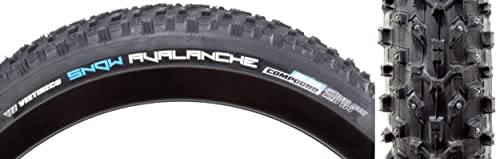
Features include 240 stainless steel studs for enhanced traction on snow and ice. The tire uses a durable tubeless-ready 120 TPI casing and options in black silica or pure silica for improved flexibility and grip. Its aggressive directional tread supports precise steering and solid off-camber handling, making it suitable for mountain biking and winter trail riding.
Vee Snow Shoe XL 26×4.80 Studded

This model emphasizes a silica compound for improved grip, with a folding bead and tubeless-ready capability. The design supports robust winter performance with a focus on durability, giving riders confidence on snowy or icy routes while maintaining a lighter weight profile for fat-bike applications.
Terrene Cake Eater Light Studded 27.5×4.0

Terrene’s Cake Eater Light Studded tire emphasizes a fast-rolling fat-tire experience with a tread pattern that lowers center height to reduce rolling resistance, while tall side lugs enhance cornering. It comes with 180 Triple Traction Crown studs per tire for reliable traction on snow and ice, making it a solid choice for winter fat biking on mixed terrains.
Terrene Yippee Ki Yay 27.5×4.3

The Yippee Ki Yay tire targets all-season fat-bike use with a lightweight construction and aggressive tread. It features 250 Triple Traction Crown studs per tire to maximize grip on icy surfaces. The stud-capable design supports adaptive winter setups, helping riders maintain control across varied winter conditions.
Terrene Cake Eater Standard 26×4.6
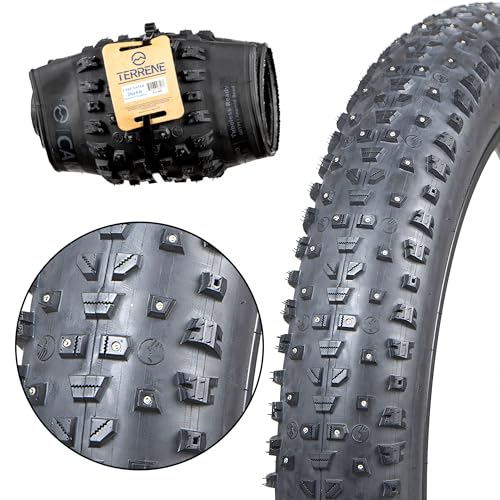
Terrene’s standard Cake Eater offers a balance of weight and traction with 180 Triple Traction Crown studs. The tubeless-ready construction supports reduced rolling resistance, while the studded design provides dependable grip for snow and ice riding, making it a pragmatic option for winter fat-tire setups.
Buying Guide: Key Purchase Considerations
- Terrain and riding style: Choose tires with appropriate tread geometry and stud configurations for snow, ice, and mixed winter trails. Fat-bike tires perform better in deep snow, while tighter tread profiles excel on packed ice.
- Stud count and placement: More studs generally improve ice traction but can increase rolling resistance and weight. Look for crowns or patterns that pair studs with stable handling at steering angles you commonly encounter.
- Tire construction: Tubeless-ready and tubeless setups reduce pinch flats and allow lower pressures for better traction. Ensure compatibility with your rims and sealants.
- Compound and flexibility: Silica-rich compounds often improve grip in cold conditions while preserving some suppleness. Consider the balance between grip and longevity for your climate.
- Rim width and tire size: Confirm that your rims accommodate wide, studded tires and that the overall diameter suits your bike’s geometry. Wider tires can improve floatation in soft snow but may affect efficiency on clear pavement.
- Weight and rolling resistance: Heavier, studded tires deliver traction but can be slower on cleared roads. Weigh options against your intended use, whether commuting, mountain riding, or loose-snow exploration.
- Maintenance: Check stud durability and the ease of replacement if you damage a stud. Some designs allow easier stud pockets and replacements in field conditions.
- Weather versatility: If you ride in varied winter conditions, consider tires with aggressive tread and stud compatibility that perform across snow, slush, and ice without sacrificing stability.
- Availability and compatibility: Verify product availability and ensure the tires fit your bike’s frame clearance, brake type, and wheel size before purchase.
- Assess your typical winter routes: city commutes vs. back-country trails.
- Factor in rider weight and luggage that may affect tire performance.
- Consider tubeless setups for easier sealability and reduced flats in cold conditions.
All five selections provide studded traction designed for winter riding, with variations in size, stud density, and tread emphasis to cover a range of fat-bike and standard-mount bike needs. For each option, ensure compatibility with your bike and wheel configuration before purchasing.