Parents, district fleets, and school administrators rely on reliable GPS trackers to monitor school bus routes, driver behavior, and student safety. This article highlights five top GPS trackers chosen for school bus use, covering real-time location, route history, geofencing alerts, and child safety features. Each section links to the product on Amazon for quick access.
| Product | Brand | Key Feature Spotlight |
|---|---|---|
| AngelSense Personal GPS Tracker | AngelSense | Real-time tracking, SOS, auto-answer speakerphone, customizable geofences |
| LandAirSea 54 | LandAirSea | Real-time updates, rapid geofence alerts, magnetic and waterproof design |
| Tracki Pro | Tracki | Global coverage, long battery life, 4G LTE, multi-alerts |
| Bouncie GPS Tracker | Bouncie | Real-time location, route history, driving insights, vehicle health |
| Moto Watchdog | Moto Watchdog | No monthly fees, no battery, plug-and-play OBD |
Choosing the right device depends on whether you need classroom-level student safety, fleet management, or basic asset tracking. The following sections present five options, each with practical details for school bus applications. All devices support real-time tracking, with some offering additional safety features like SOS, geofencing, or route history to help verify bus stops, dismissal times, and bus safety compliance.
AngelSense Personal GPS Tracker

AngelSense provides continuous, all-day GPS monitoring aimed at kids and adults with special needs. Key features include real-time location, a dedicated SOS button, and an assistive speakerphone for two-way communication. The device supports customizable geofences and “Safe Ride” monitoring to confirm buses depart, stop, and arrive on schedule. A guardian network can receive alerts for early departures, late arrivals, or unexpected route deviations, making it suitable for school transportation safety programs. A monthly subscription applies after the initial free period, with the SIM and premium services bundled in the plan.
LandAirSea 54 GPS Tracker

LandAirSea 54 is a magnetically attached, discreet GPS tracker designed for vehicle tracking. It delivers real-time updates, rapid geofence alerts, and reliable performance in diverse environments. The compact, waterproof design makes it suitable for mounting on school bus components, while real-time tracking and Google Maps-based history playback help verify route accuracy and stop times. The device requires a subscription for ongoing service and access to the tracking platform. Its quick-install magnet attachment helps districts deploy multiple units with minimal disruption.
Tracki Pro GPS Tracker

Tracki Pro offers broad coverage (180+ countries) and robust hardware designed for fleet and asset tracking. It features a long battery option, a strong magnet, and waterproof housing—useful for mounting on buses or equipment. It supports GPS, Wi-Fi positioning, and multiple satellite systems for improved accuracy indoors or in areas with limited cellular reception. Monthly plans vary, and Tracki emphasizes flexible pricing for long-term deployments. Real-time tracking combined with alerting makes it suitable for verifying school bus routes and incidents along the line of travel.
Bouncie GPS Tracker for Vehicles
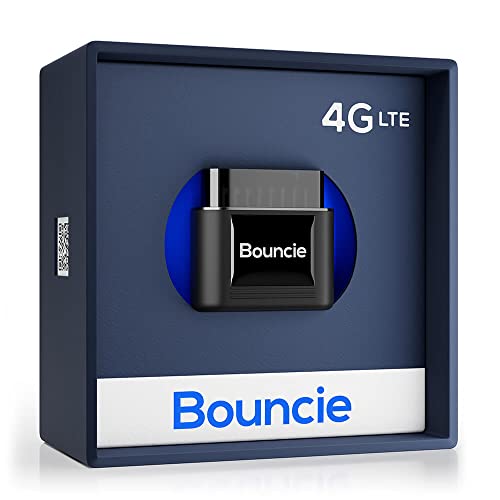
Bouncie provides real-time vehicle location updates, route history, and driving insights. Its driving analytics cover speed, acceleration, braking, and idle time, helping districts review driver behavior and identify safety concerns. The device also continuously monitors engine data to flag potential maintenance issues, which helps minimize downtime for bus fleets. While Bouncie is designed for fleets and families, its comprehensive data features can support school bus safety programs that require accountability and ongoing maintenance visibility. A subscription may be required for full access to the insights and history.
Moto Watchdog GPS Tracker for Vehicles

Moto Watchdog offers a no-subscription, no-battery solution via OBD integration. This plug-and-play device powers directly from the vehicle, eliminating battery maintenance. It provides real-time location, route history, and vehicle diagnostics. Because it uses the OBD port, installation is quick and does not require separate power. This option is attractive for districts seeking a low-maintenance tracker without ongoing service charges, though it relies on vehicle power and may be best for fixed-route buses with standard OBD availability.
Buying Guide: Key Purchase Considerations
- Purpose and scope: Determine whether you need student safety features (SOS, geofencing, two-way communication) or fleet management capabilities (route history, driver insights, maintenance alerts).
- Real-time vs. historical data: Real-time tracking is essential for live bus monitoring, while route history helps verify stop times and bus routes after the fact. Consider devices that offer both.
- Geofencing and alerts: For school buses, geofences around schools and bus stops enable immediate alerts if a bus deviates from its route or stops unexpectedly. Look for customizable geofences and alert options.
- Battery life and power source: Battery-powered trackers work well for discreet mounting but require charging. Vehicle-powered devices (OBD or plug-in) avoid batteries but depend on vehicle power and installation.
- Subscription and pricing: Many trackers require ongoing service fees, SIM cards, or data plans. Evaluate total cost of ownership over the contract period, including activation and cancellation terms.
- Durability and mounting: School buses require rugged hardware that tolerates vibration, weather, and temperature variations. Magnetic or waterproof designs can simplify mounting on various bus components.
- Data privacy and permissions: Ensure the device complies with school district policies and student privacy regulations. Clarify who has access to location data and how it’s stored.
- Ease of deployment: For districts deploying multiple units, consider devices with simple setup, scalable software, and centralized management to streamline installation and monitoring.
- Integration potential: If your district uses existing fleet management or student safety platforms, verify compatibility or available integrations with the tracker’s API or data exports.
- Support and service level: Look for vendors offering reliable customer support, software updates, and clear terms for data access, geofence management, and device replacement.